
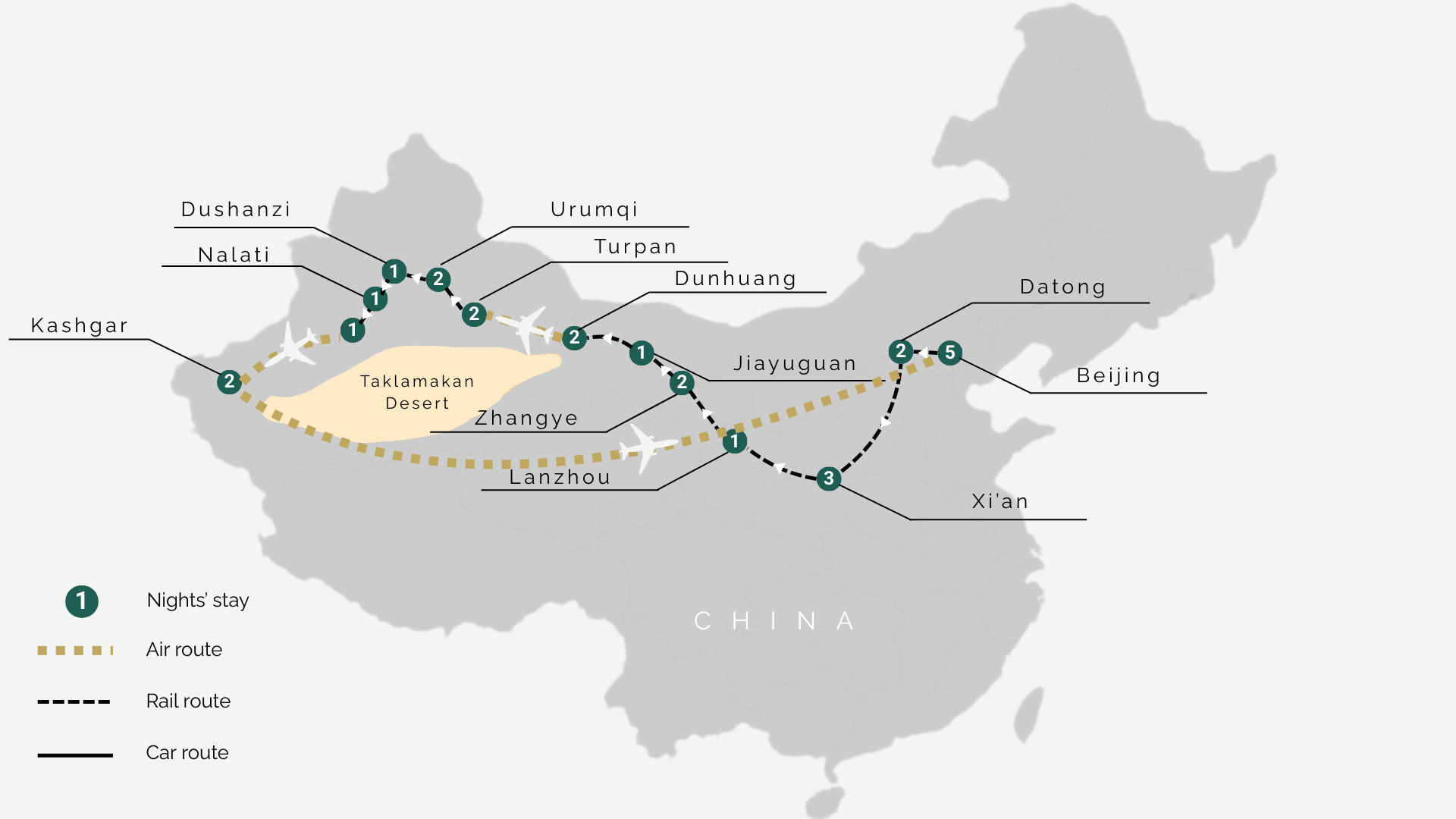
26 Nights
Through 13 cities, 13 UNESCO World Heritage Sites
Private Touring
With our expert English speaking travel concierges; at your own pace
5-Star Service
Hand picked luxury & boutique hotels, restaurants and ammenities
All inclusive & tailored
Flights, hotels, tickets, tranfers, most meals and customization included
Silk Mirage is your all inclusive 27-night expedition tracing China’s civilisational contrasts along the Silk Road.
Silk Mirage unfolds gradually, carrying you away from China’s ceremonial centres and into places shaped by wind, faith, and distance. Deserts replace streets, painted caves replace palaces, and trade routes once crossed by caravans reappear as living cities. Nothing stays the same for long—and that is the point.
Stand at Jiayuguan Pass, where the Great Wall dissolves into open desert and China’s imperial frontier comes to an end.
Move through Turpan’s vineyards and ancient karez irrigation system, revealing survival in one of the world’s harshest climates.
Wander Kashgar’s old city and bazaars and catch the constant movement of people and goods.
Traverse the Duku Highway, where alpine pastures, deep gorges, and shifting climates unfold in rapid succession.
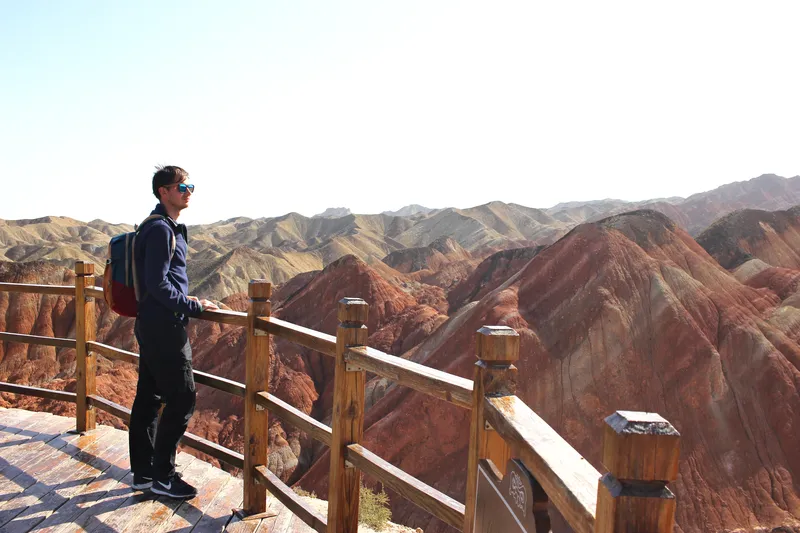
Zhangye National Geopark, Zhangye
These hills resemble a frozen ocean caught mid-swell, waves of crimson, ochre, saffron, and chalky white rippling toward the horizon. Mother Nature’s freeform stripes of stone are pressed together over 24 million years. There is no greenery to soften the scene, no forests to interrupt the spectacle — only bare, undulating forms sculpted by erosion into ridges, cones, towers, and gullies.
Mausoleum of the First Qin Emperor, Xi'an
Beneath the quiet farmlands outside Xi’an lies the single greatest modern archaeological finding; an army of clay and vigilance slept in silence for over two thousand years. They were built for an emperor who feared death as much as he commanded life. Qin Shi Huang, unifier of China, ordered this subterranean army to guard him in the afterlife, a clay mirror of the empire he forged above ground.
Xuankong Temple, Datong
Oak beams were driven deep into chiseled sockets in the cliff, forming cantilevered foundations that allow the structure to project outward while remaining anchored in stone. The temple’s placement shields it from rain erosion and flooding. Inside its compact chambers, statues of the Buddha sit not far from Laozi and Confucius, their calm expressions untroubled by the vast drop just beyond the window frames.
Mogao Caves, Dunhuang
More than 700 caves were carved here over a millennium, beginning in the 4th century. What started as a single monk’s vision — a cliff face glowing with a thousand Buddhas — became one of the greatest artistic undertakings in human history. Dynasties rose and fell, trade caravans came and went, but artists kept painting, sculpting, and gilding, layer upon layer of devotion pressed into mud plaster and pigment.
Grand Bazaar, Urumqi
Islamic geometric patterns etched into walls, tiled domes catching the high Xinjiang sun. But step through the gates and history accelerates. The air thickens with cumin and charcoal smoke, with the sweet pull of roasting nuts and the sharp brightness of fresh naan slapped against clay oven walls. Sound travels in layers: Uyghur melodies threading through loudspeakers, vendors calling out prices, the rhythmic clatter of metal skewers turning over open flame.
Beijing
Beijing is China in its most formal expression. A city of imperial symmetry, political gravity, and preserved tradition, it stands in sharp contrast to the frontier cultures and spiritual margins explored later in Silk Mirage. This is where authority begins—and where the journey outward truly starts.
Day 1
Arrive in Beijing and take time to rest after your flight, with the opportunity to explore the immediate surrounds of your prime-location hotel at your own pace.
Day 2
Discover the Huanghuacheng Great Wall, a lesser-visited section distinguished by its lakeside views. Continue into Beijing’s historic hutong neighbourhoods, where narrow alleyways offer a glimpse into the rhythms of traditional city life.
Day 3
Visit Tiananmen Square, followed by the Forbidden City, move through the political heart of modern China into the ceremonial world of its imperial past. Enter selected palace museums to view exquisite collections of ancient artefacts. End the day at Jingshan Park, an artificial hill formed from the excavated earth of the Forbidden City’s moat, offering panoramic views across Beijing’s historic core.
Datong
Datong stands at the historical edge of empire, where northern frontiers met Buddhism, steppe cultures, and military necessity. Once a garrison city guarding China’s borderlands, it became an unlikely sanctuary for spiritual expression—most vividly preserved in its rock-cut temples and monumental religious art.
Day 4
Settle into your hotel after a brief bullet train trip. Explore the Yungang Grottoes which date back to mid 5th century.
Day 5
Explore the cliff facing Xuankong (Hanging) Temple and learn how its hidden beam-and-anchor system distributes weight into the rock rather than relying on the visible stilts. Continue to Fogong Temple, home to the world’s oldest surviving wooden pagoda, where Song-dynasty builders used complex timber joinery without nails.
Xi'an
Xi’an marks the eastern starting point of the Silk Road, where imperial China first opened sustained contact with Central Asia, the Middle East, and Europe. As the former capital of multiple dynasties, the city became a conduit for trade, belief, and cultural exchange—setting in motion the contrasts that define this continental journey.
Day 6
Arrive and settle into your hotel before exploring the Muslim Quarter, where the legacy of Silk Road exchange is reflected in the city’s spice-filled food culture and street life.
Day 7
Visit the Mausoleum of the First Qin Emperor, a full-day exploration of China’s most significant archaeological discovery, offering insight into early imperial power, military organisation, and funerary belief.
Day 8
Explore the Giant Wild Goose Pagoda, a landmark of early Buddhist transmission and a symbol of Xi’an’s role in translating and disseminating religious texts along the Silk Road.
Day 9
A free day to rest or explore independently, allowing time to absorb the city at your own pace before continuing westward.
Lanzhou, Zhangye & Jiayuguan
Lanzhou, Zhangye, and Jiayuguan mark the Silk Road as terrain rather than theory. Following the course of the Yellow River and the Hexi Corridor, this stretch represents the physical reality of overland exchange—where geography dictated movement, fortification, and survival. From river crossings and oasis towns to frontier gates guarding the edge of empire, this is the Silk Road in its most exposed and strategic form.
Day 10
Settle into your hotel and rest before visiting White Pagoda Mountain, overlooking the Yellow River and the historic Silk Road corridor.
Day 11
Board a bullet train to Zhangye. Upon arrival, settle into your hotel and take an introductory urban tour to orient yourself within this former oasis city of the Hexi Corridor.
Day 12
Enjoy free time in the morning before visiting Zhangye Danxia National Geopark in the afternoon, known for its vividly layered rock formations shaped by millions of years of geological activity.
Day 13
Travel by bullet train to Jiayuguan. Visit Jiayuguan Pass, the western terminus of the Ming Great Wall and a symbolic gateway between imperial China and the open frontiers beyond.
Dunhuang
Dunhuang is positioned between desert and oasis, it was the final refuge before the vast Taklamakan desert and the first point of return for travellers coming East. Here, Buddhism reached its most concentrated artistic expression, shaped by centuries of pilgrims, merchants, and monks passing through this fragile frontier.
Day 14
Visit Mingsha Mountain and Crescent Lake, where shifting sand dunes 170 metres tall "sing" as they move. This frames one of the Silk Road’s most iconic oasis landscapes.
Day 15
Explore the Mogao Caves, home to an unparalleled collection of Buddhist mural art shaped by centuries of Silk Road exchange. In the evening, visit Shazhou Night Market to experience Dunhuang’s local atmosphere and regional flavours.
Turpan
Turpan is a place defined by endurance. One of the lowest and hottest inhabited regions on Earth, Turpan reveals how Silk Road communities adapted to extreme conditions through underground water systems, earthen architecture, and oasis-based settlement—where survival itself became a form of intelligence.
Day 16
Fly to Turpan. Settle into your hotel before visiting local vineyards at the base of the Flaming Mountain, introducing the region’s long history of oasis agriculture and Silk Road viticulture.
Day 17
Discover the ancient Karez underground water system, a feat of engineering that sustained life in extreme desert conditions. Continue to Jiaohe (Yar) Ancient City, a ruined earthen settlement illustrating early urban adaptation along the Silk Road 2000 years ago.
Urumqi
Urumqi represents the Silk Road at its most complex. Far removed from China’s historic centres, the city stands at the crossroads of Central Asia, shaped by Islamic culture, steppe traditions, and modern state influence. It is here that the journey’s accumulated contrasts—belief, geography, and identity—fully converge.
Day 18
Travel by train to Urumqi. Settle into your hotel before visiting the Xinjiang Regional Museum, followed by free time at the Grand Bazaar, reflecting the city’s Central Asian influences.
Day 19
Enjoy a day trip to Tianchi (Heavenly Lake), a high-altitude alpine lake set against the Tianshan Mountains, offering a final contrast between frontier city life and vast natural landscapes.
Duku Highway
The Duku Highway is one of China’s most dramatic mountain crossings, traversing glaciers, alpine meadows, and desert edges in a single passage. Historically, this corridor connected isolated regions rather than empires, highlighting how geography—not politics—dictated movement across Xinjiang.
Day 20- 22
Over three days, follow the Duku Highway as it cuts through the Tianshan Mountains, climbing from snow-lined passes into wide alpine grasslands. Pause in Dushanzi and the Nalati Grasslands, where the landscape opens and slows, before descending into the desert-edge oasis of Kuqa, where civilisation re-emerges.
Kashgar
Kashgar stands at the far end of the Silk Road, where the journey finally turns outward from China and into the wider Islamic and Central Asian world. For over two millennia, it served as a terminal crossroads for caravans, belief systems, and empires, absorbing influences from Persia, the Mongolian steppes, and the Middle East. In Kashgar, your conquest reaches its conclusion—not as a destination within China, but as a gateway beyond it.
Day 23
Explore Kashgar Old City, a living urban fabric of earthen lanes, courtyards, and workshops shaped by centuries of trade and daily life. Continue to the Kashgar Bazaar, where commerce, food, and social ritual reflect the city’s enduring role as a Silk Road marketplace.
Day 24
Visit Id Kah Mosque, the largest mosque in China and the spiritual heart of Kashgar, where public space, prayer, and civic life converge. Continue to the Abakh Khoja Mausoleum, a major Islamic architectural complex and pilgrimage site, offering insight into religious authority, burial traditions, and the spread of Islam along the western Silk Road.
Beijing
Beijing welcomes you back. After crossing frontiers, deserts, and belief systems along the Silk Road, the journey returns to where it began—not to explore further, but to rest, reflect, and recalibrate. These final days offer space to absorb the scale of what has been experienced, bringing your trip to an unhurried close.
Day 25
Fly from Kashgar to Beijing and settle back into familiar surroundings. This day is intentionally unstructured, allowing time to rest, reset, and quietly reflect on the journey.
Day 26
Visit the Summer Palace, where gardens, lakes, and pavilions offer space for slow movement and reflection, followed by the Temple of Heaven. In the evening, gather for a farewell dinner, bringing the Silk Mirage journey to a thoughtful and unhurried close.
Accomodation
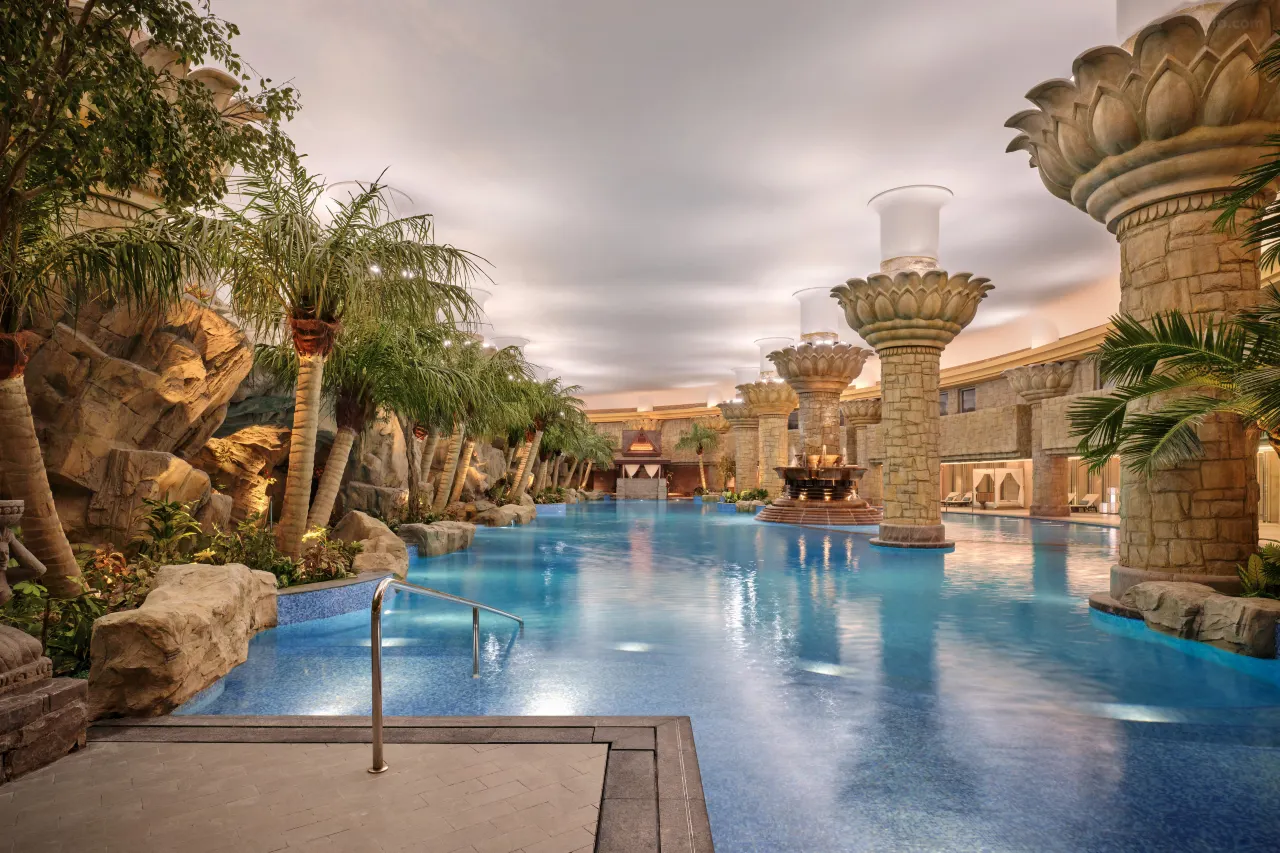
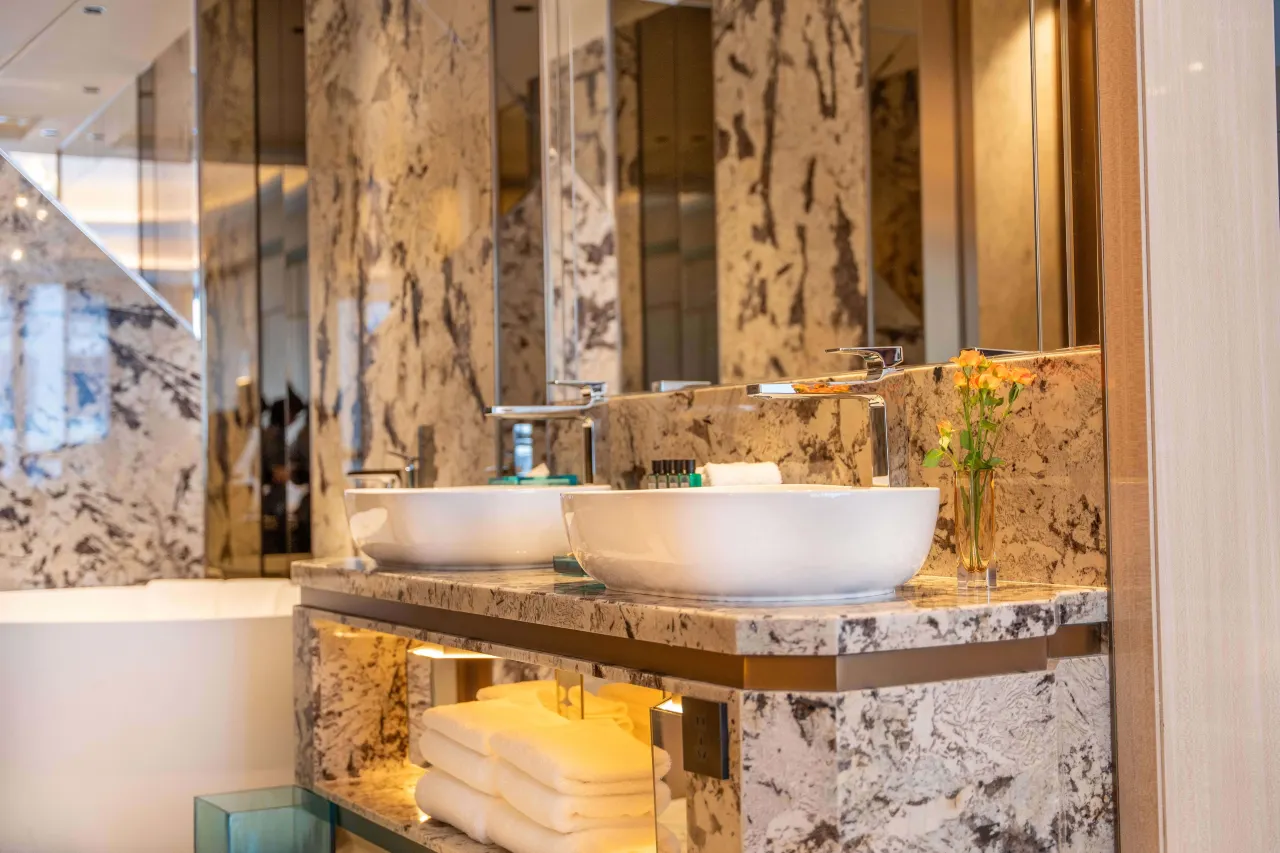
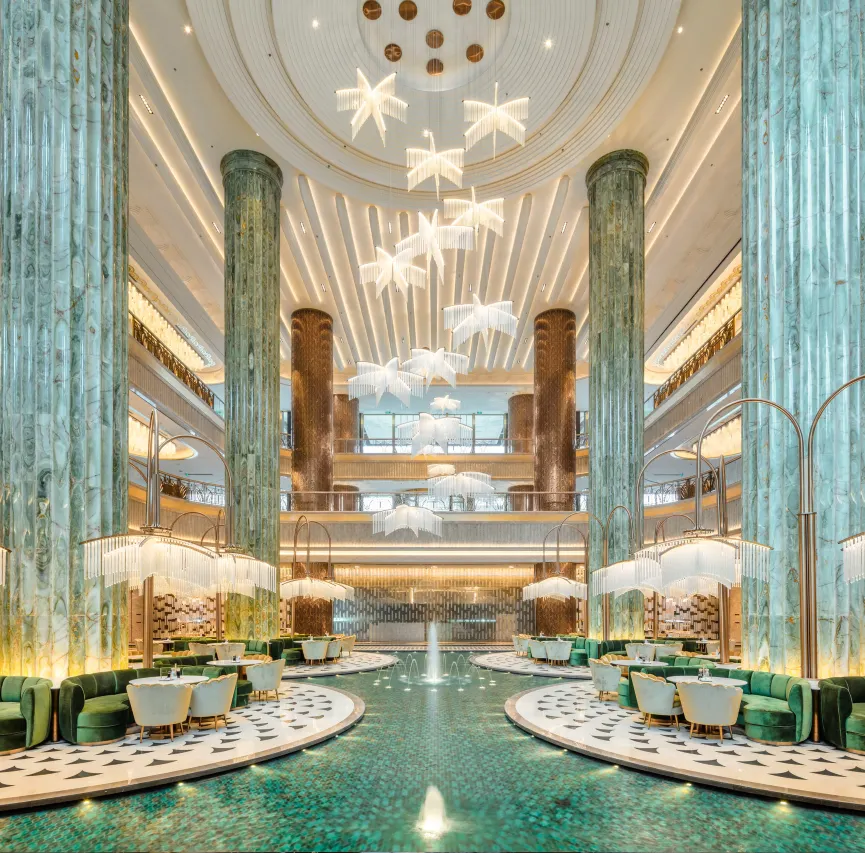
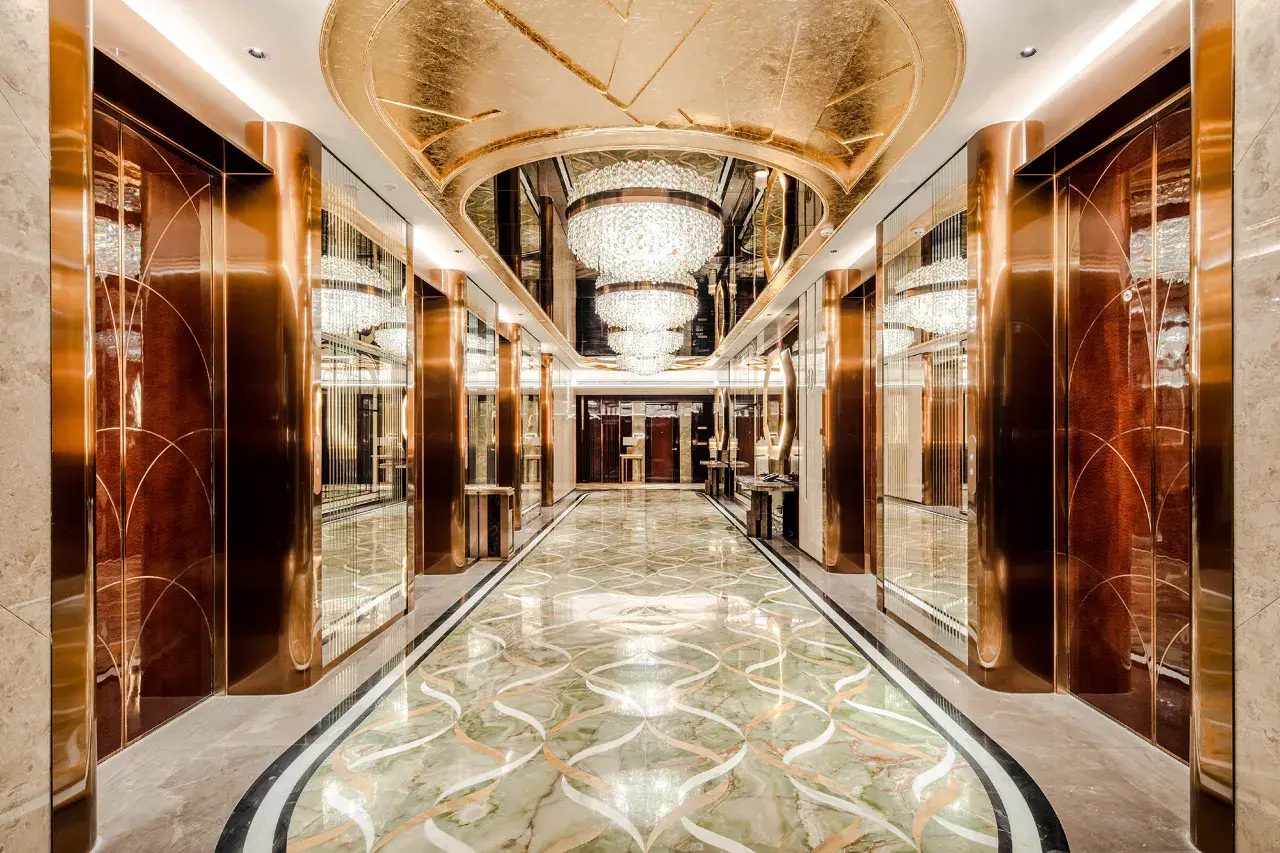
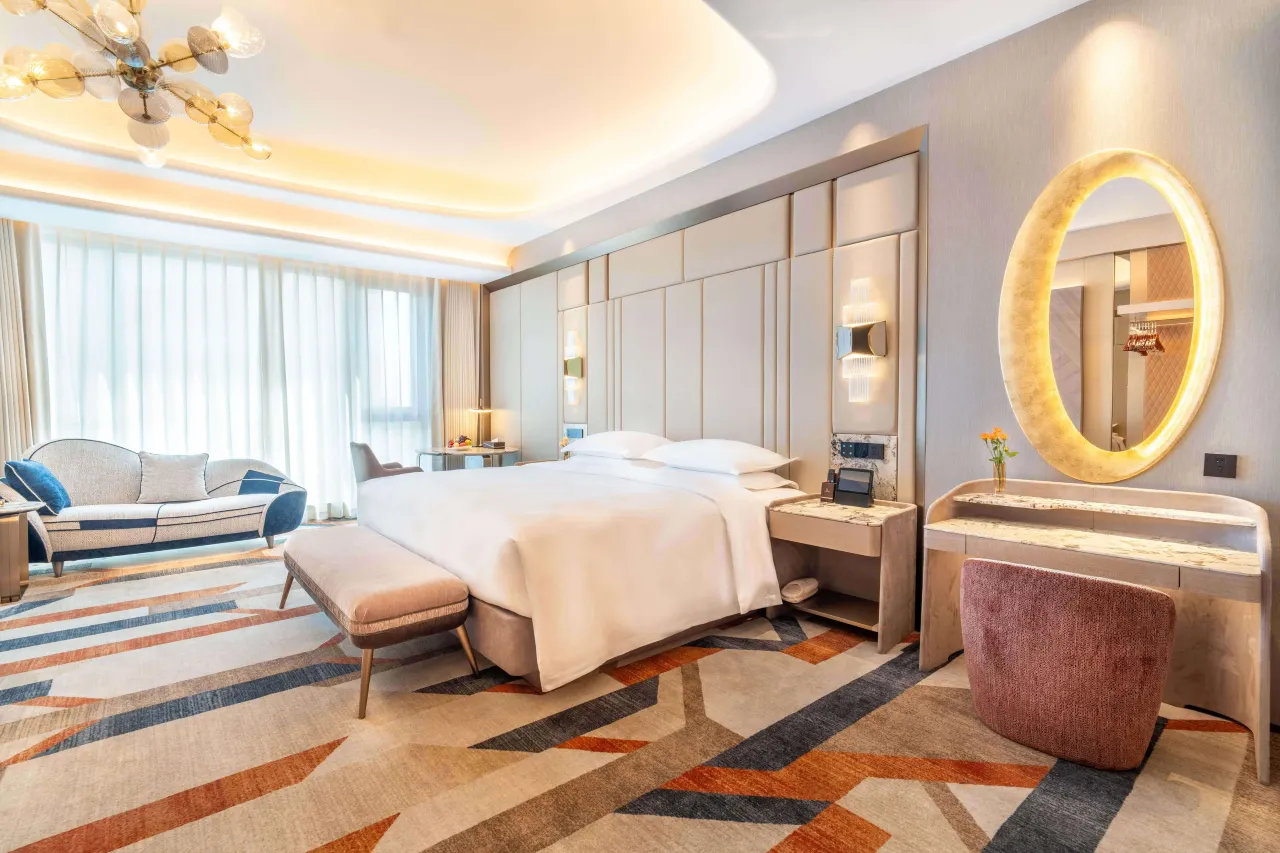
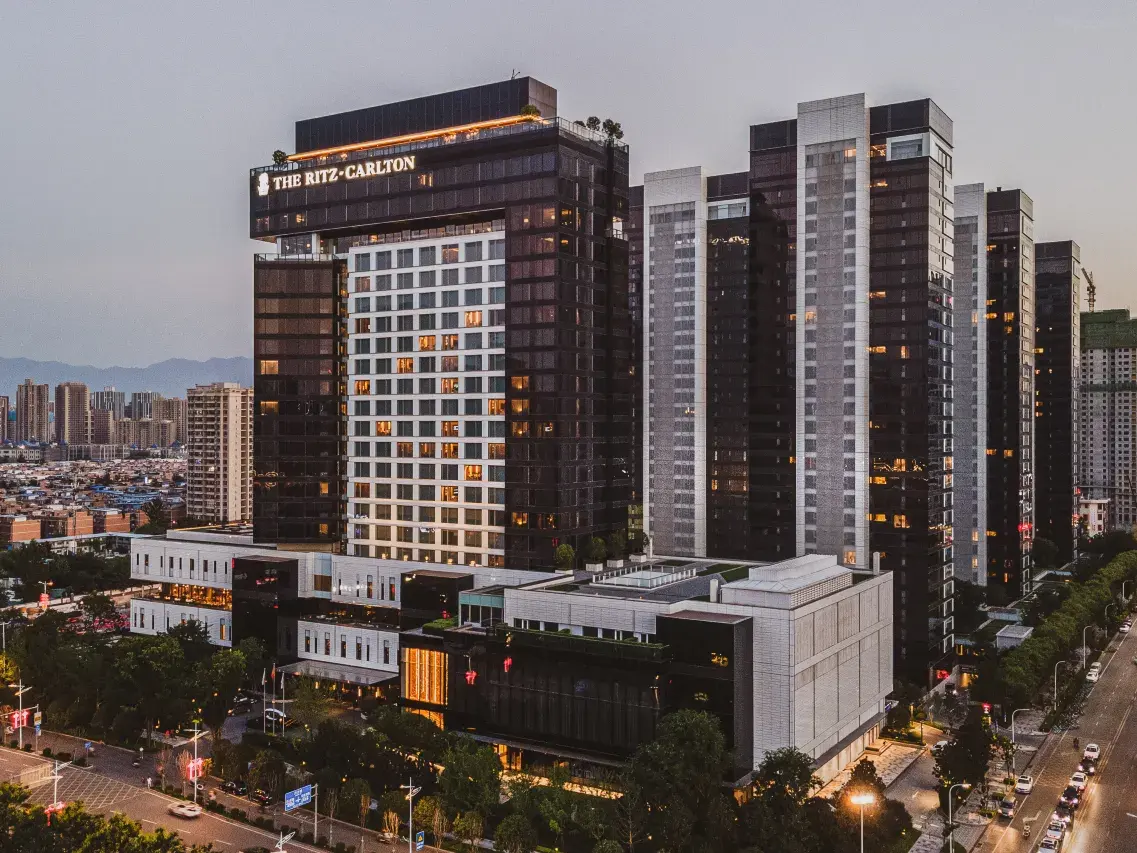
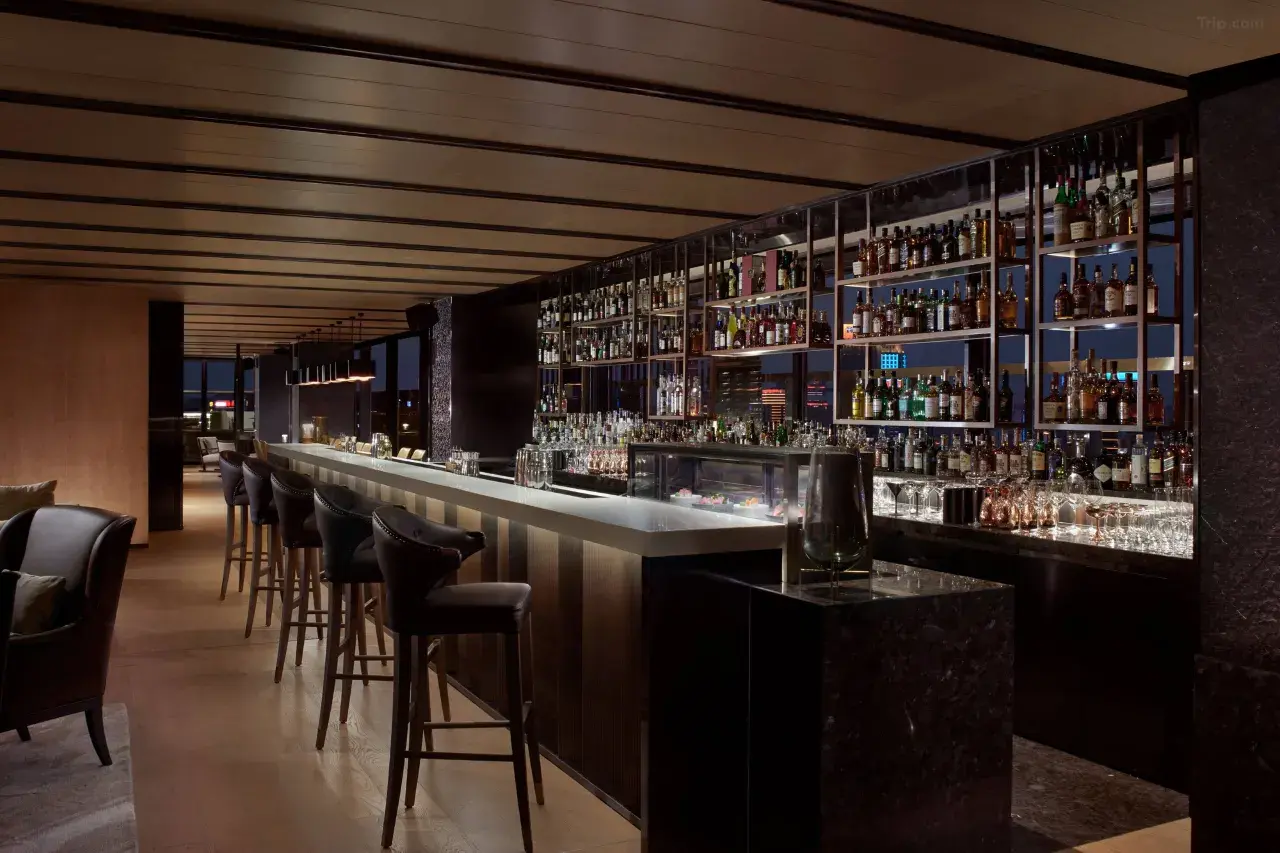
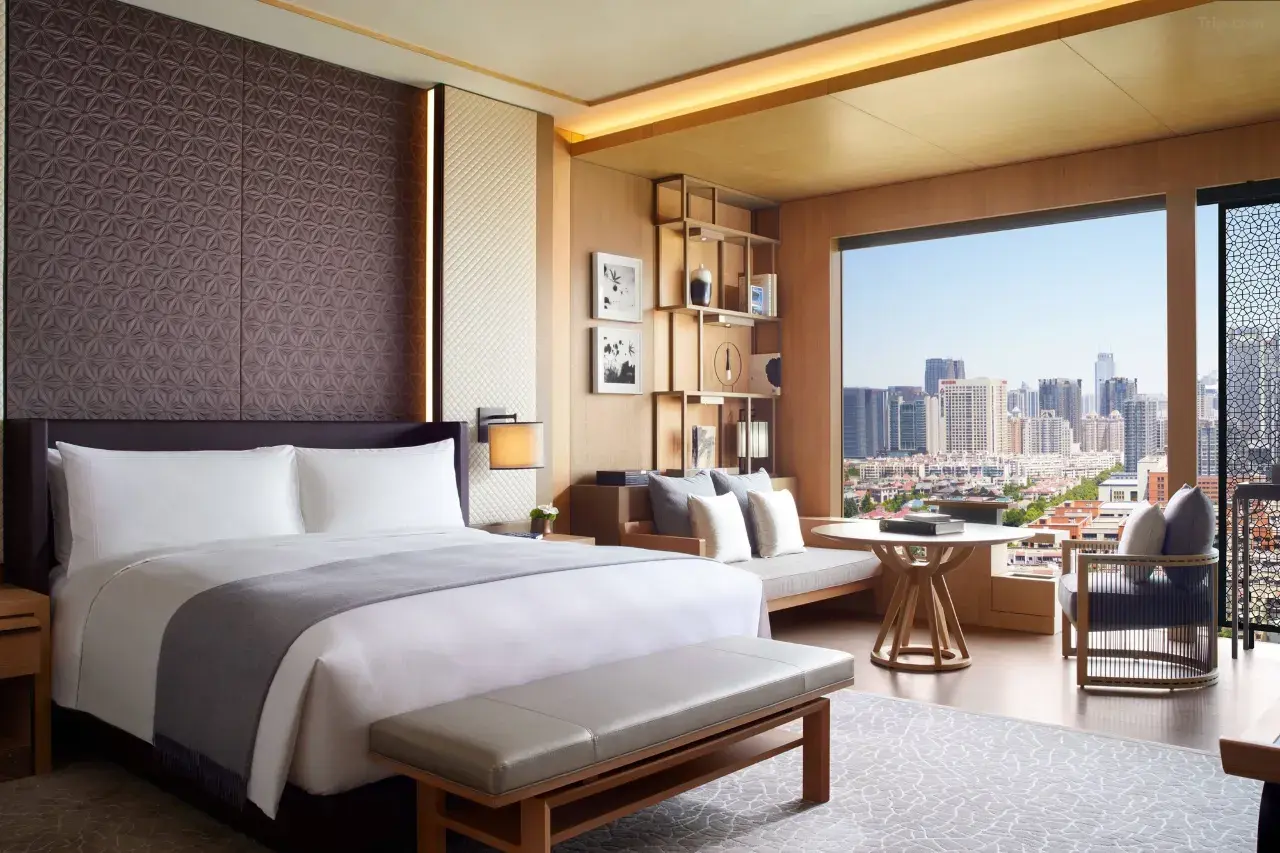
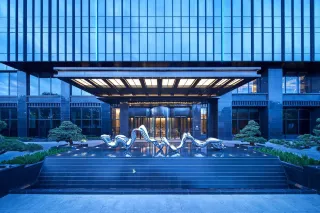
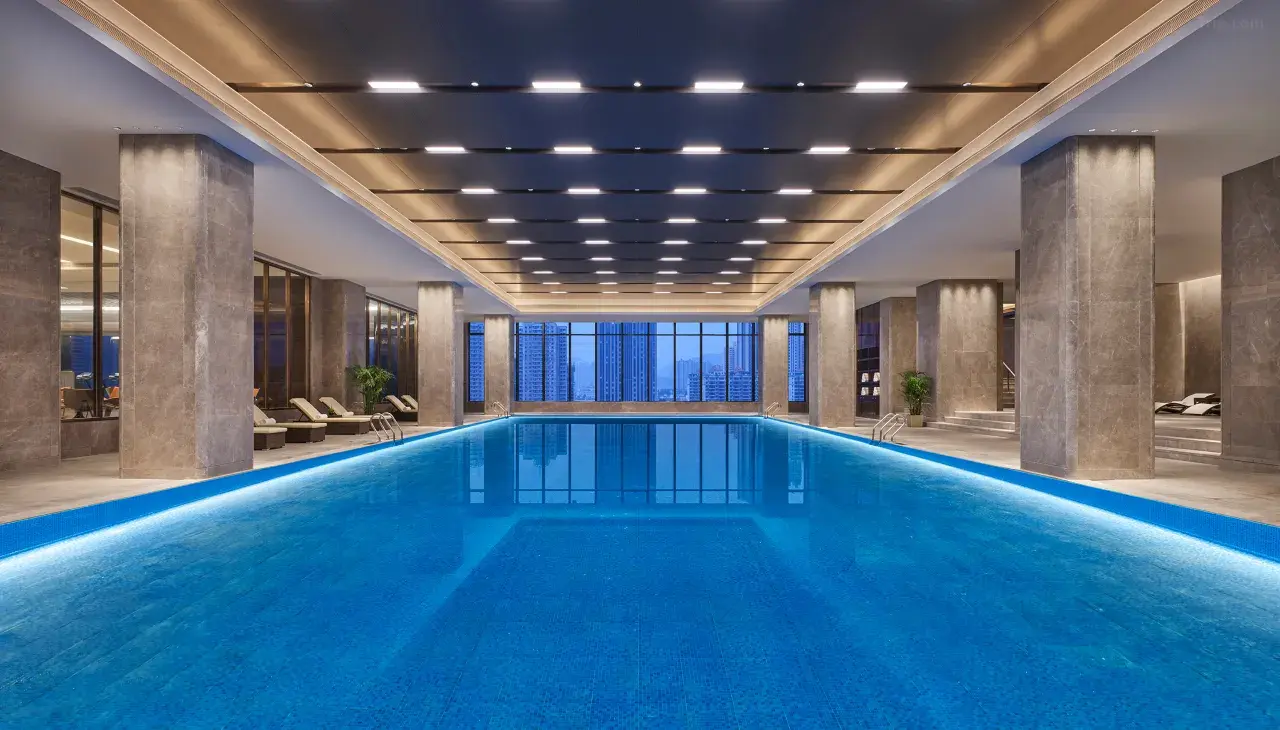
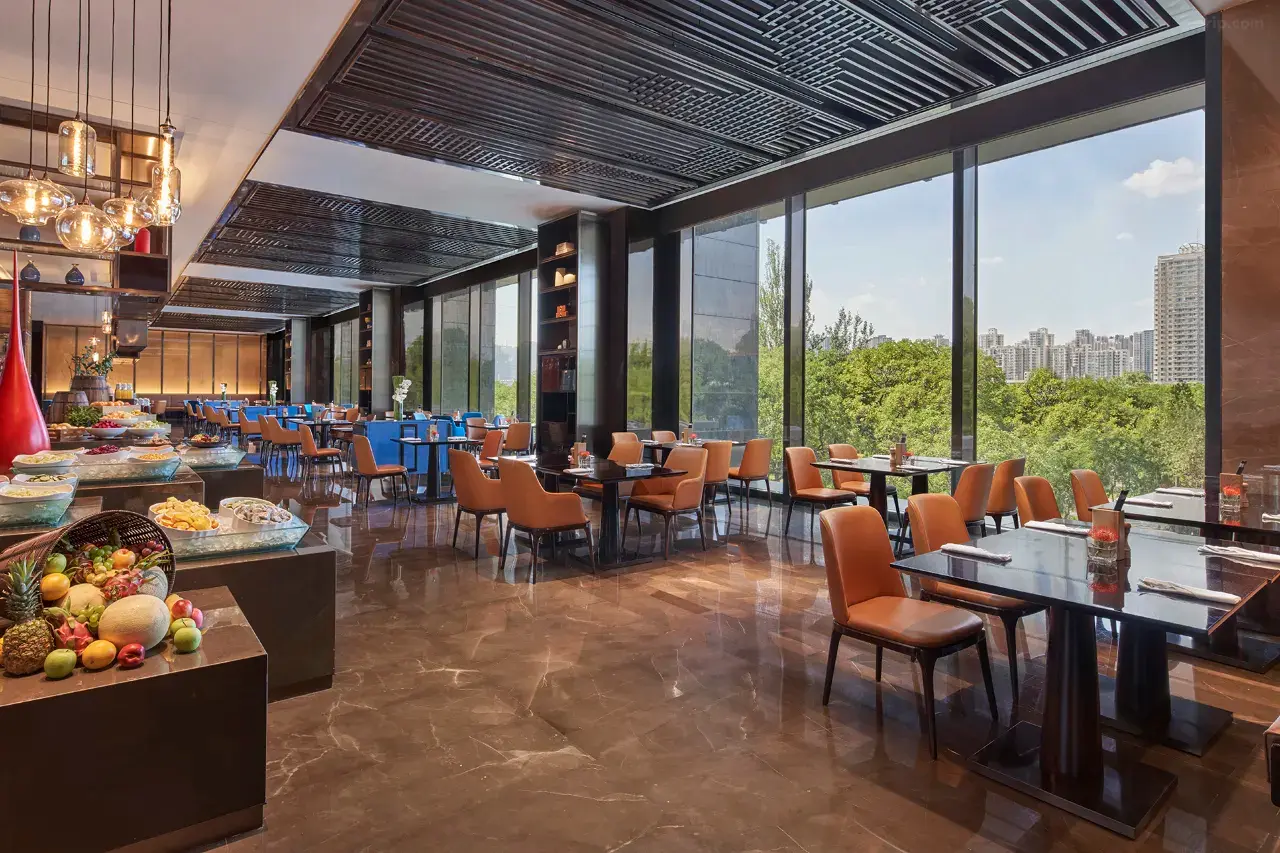
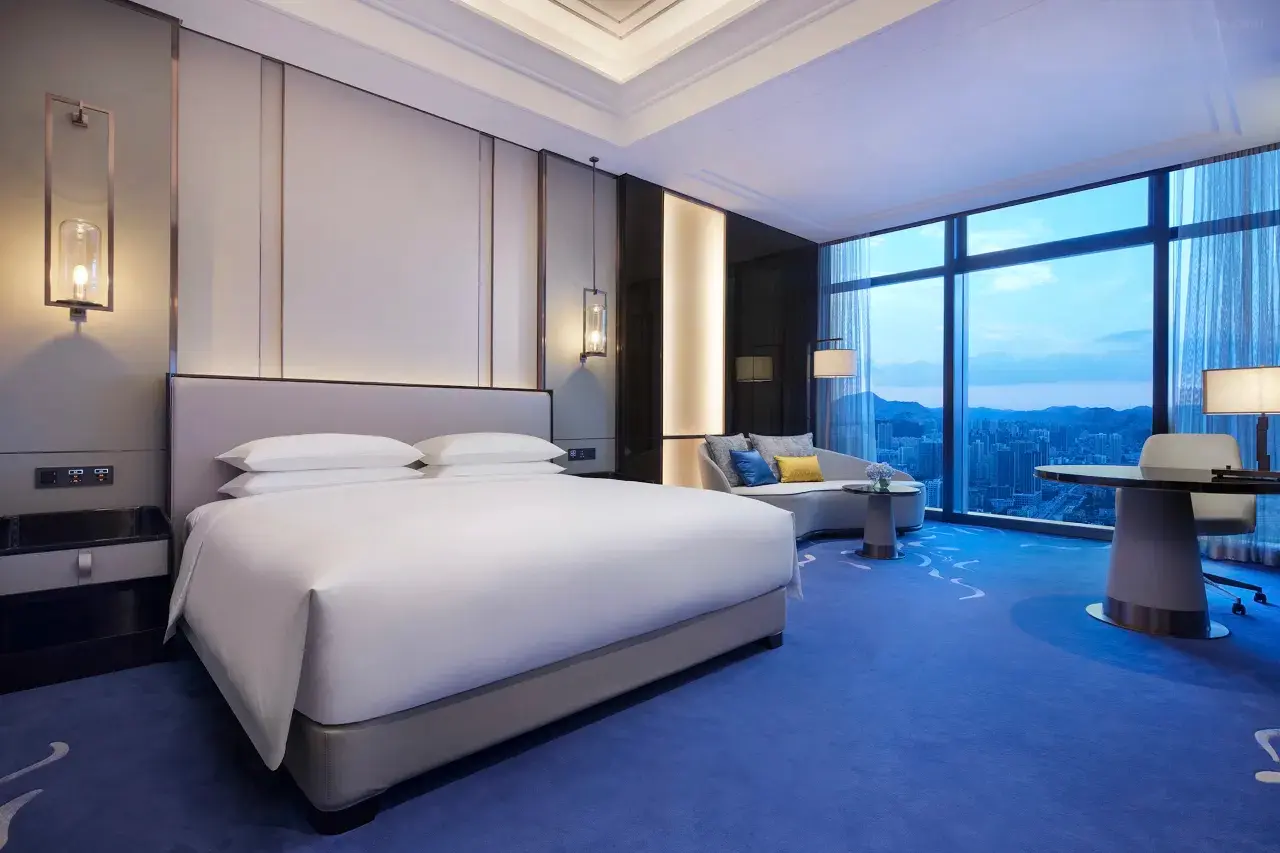
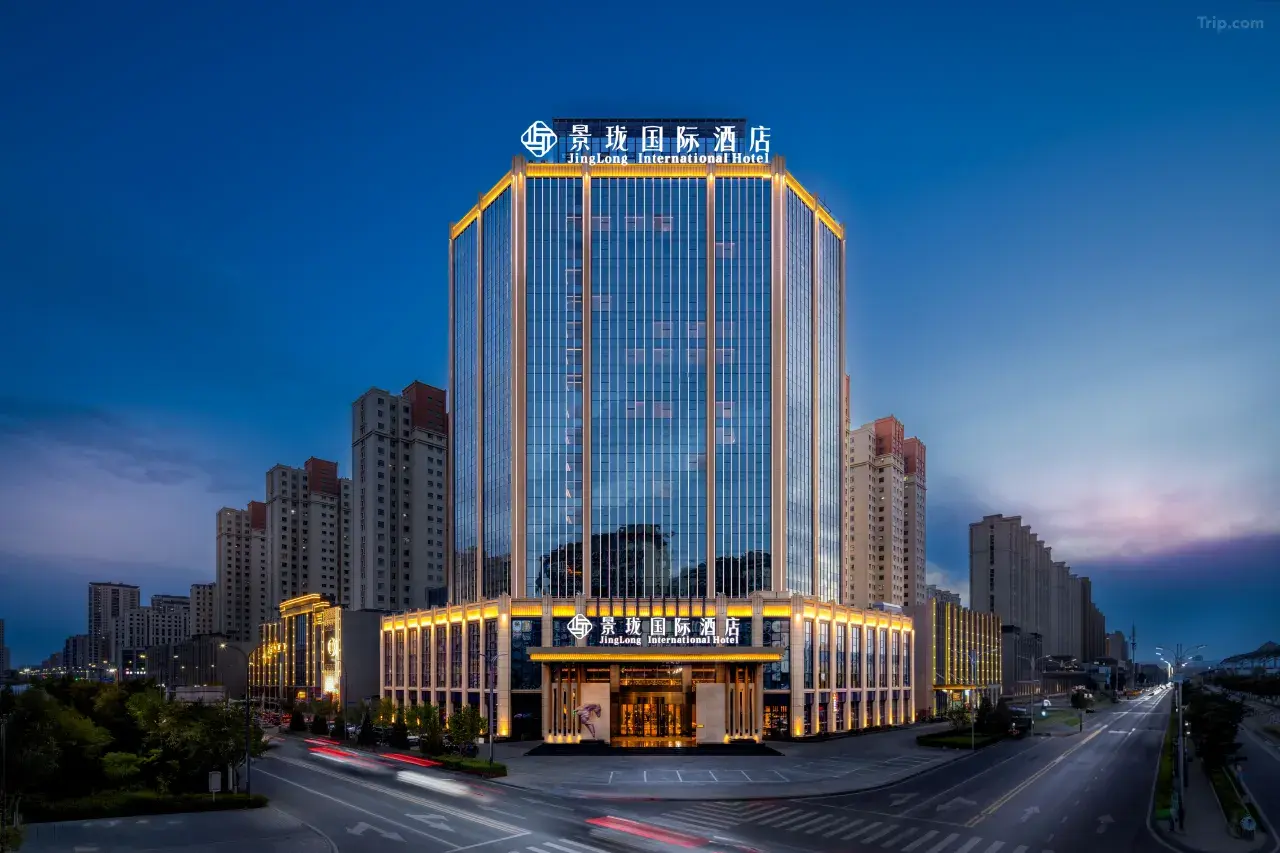
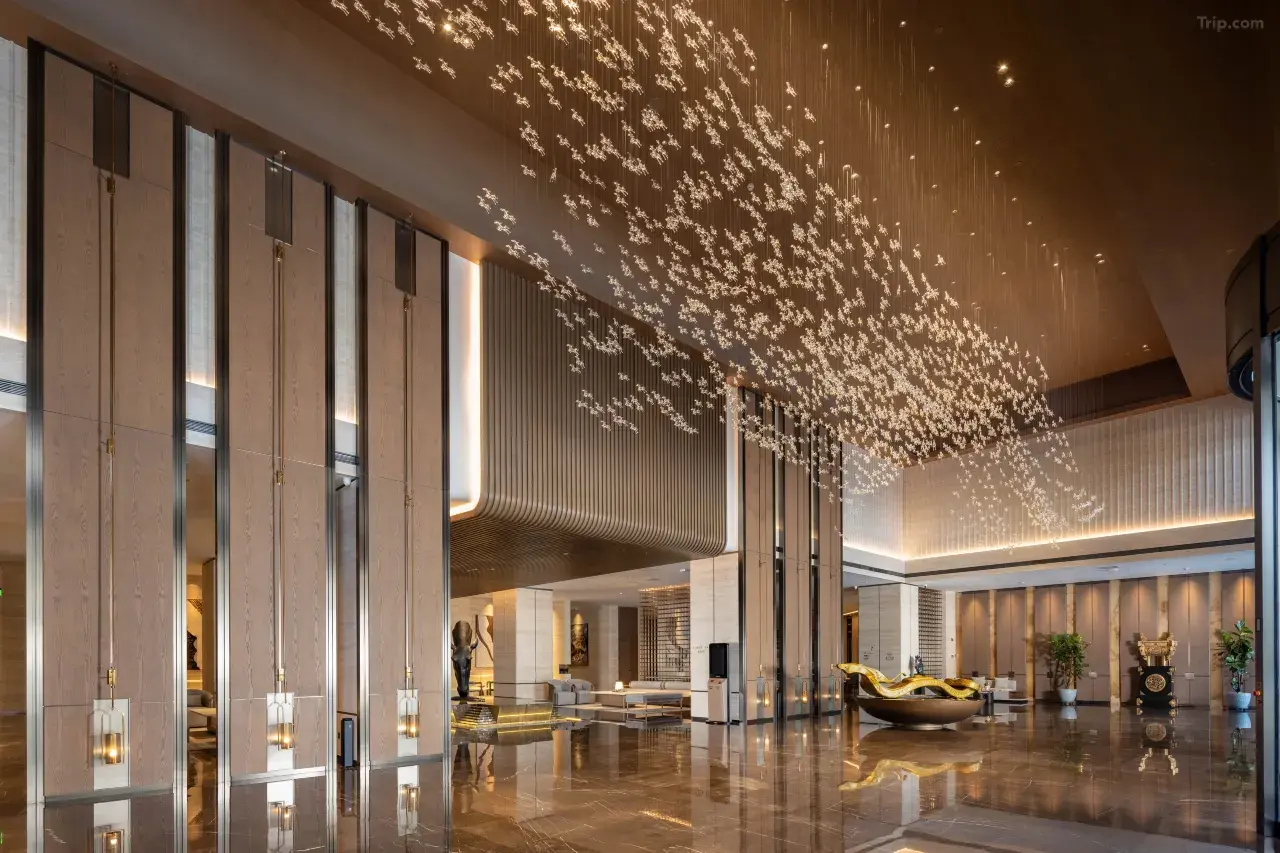
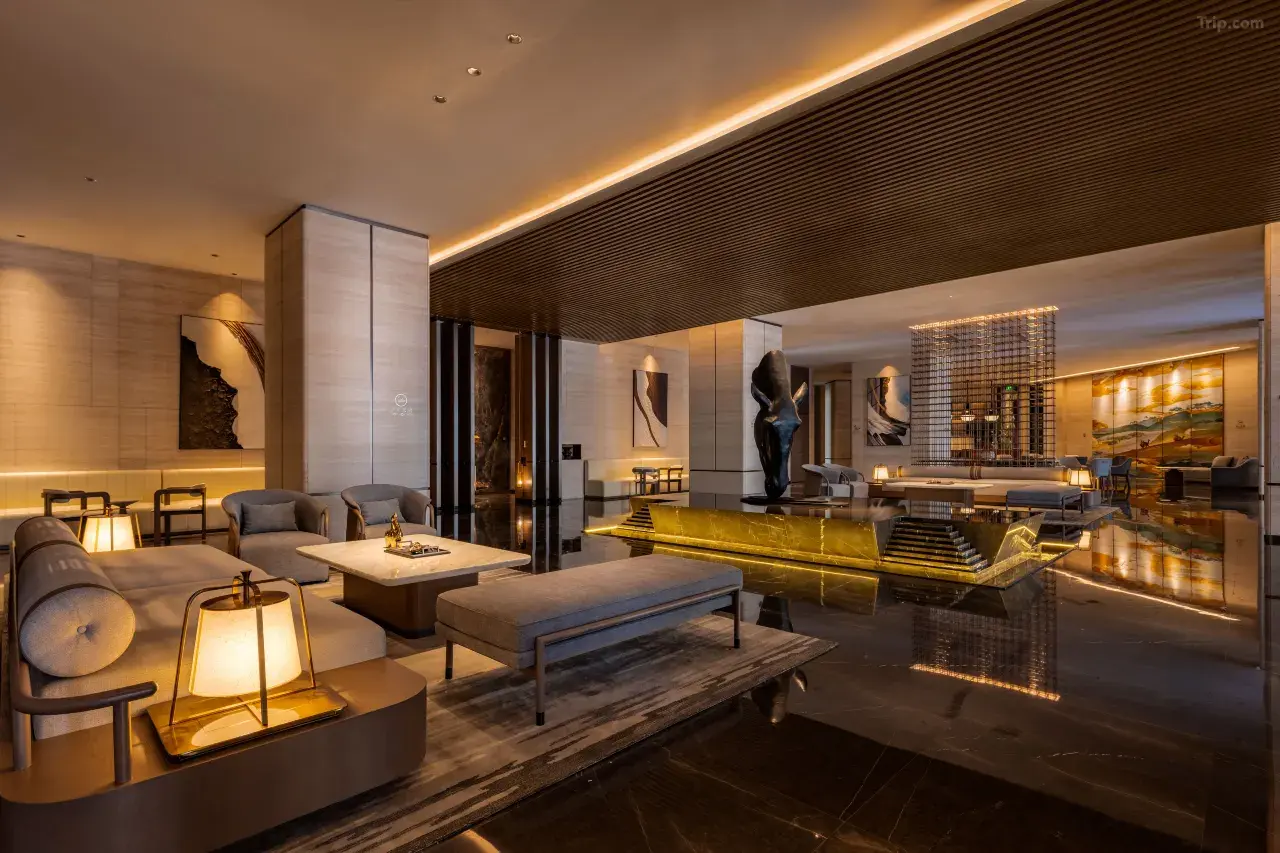
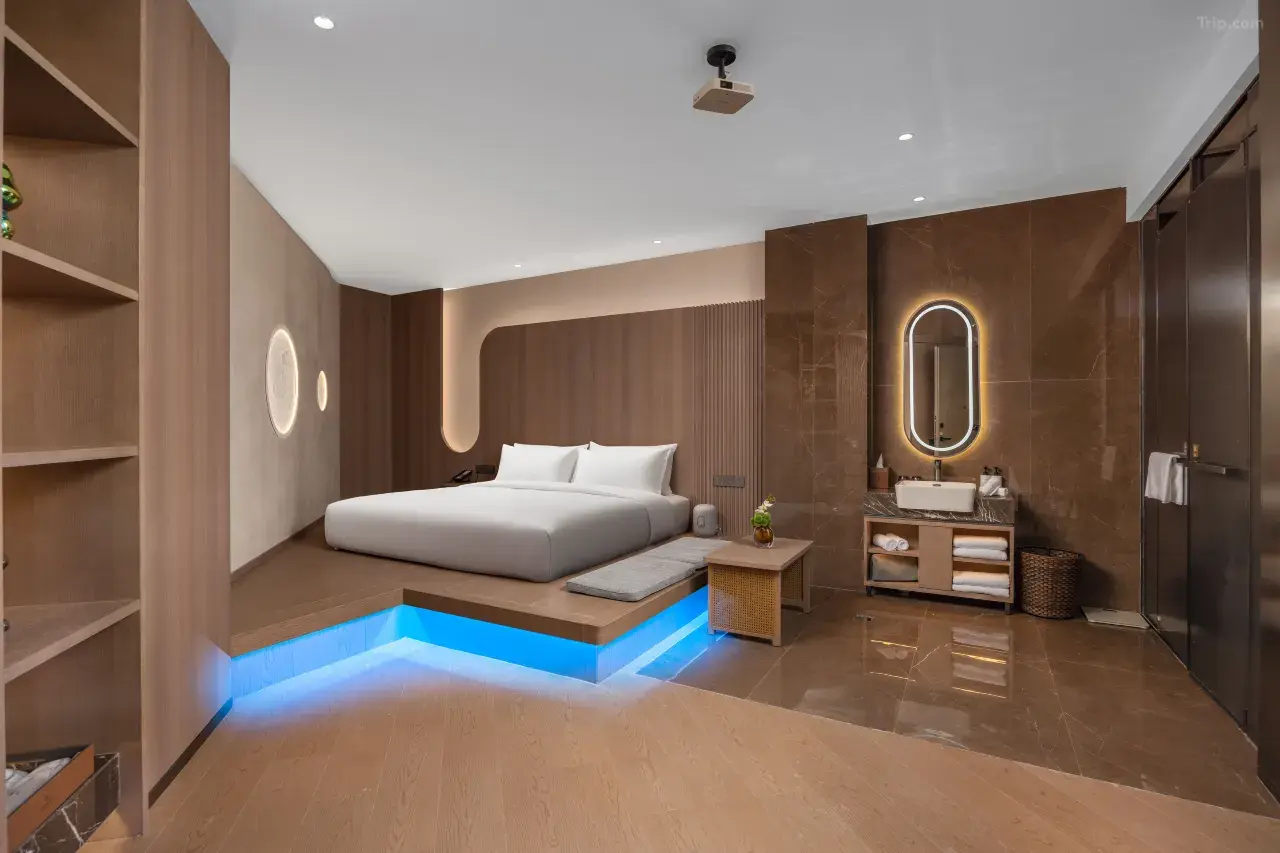
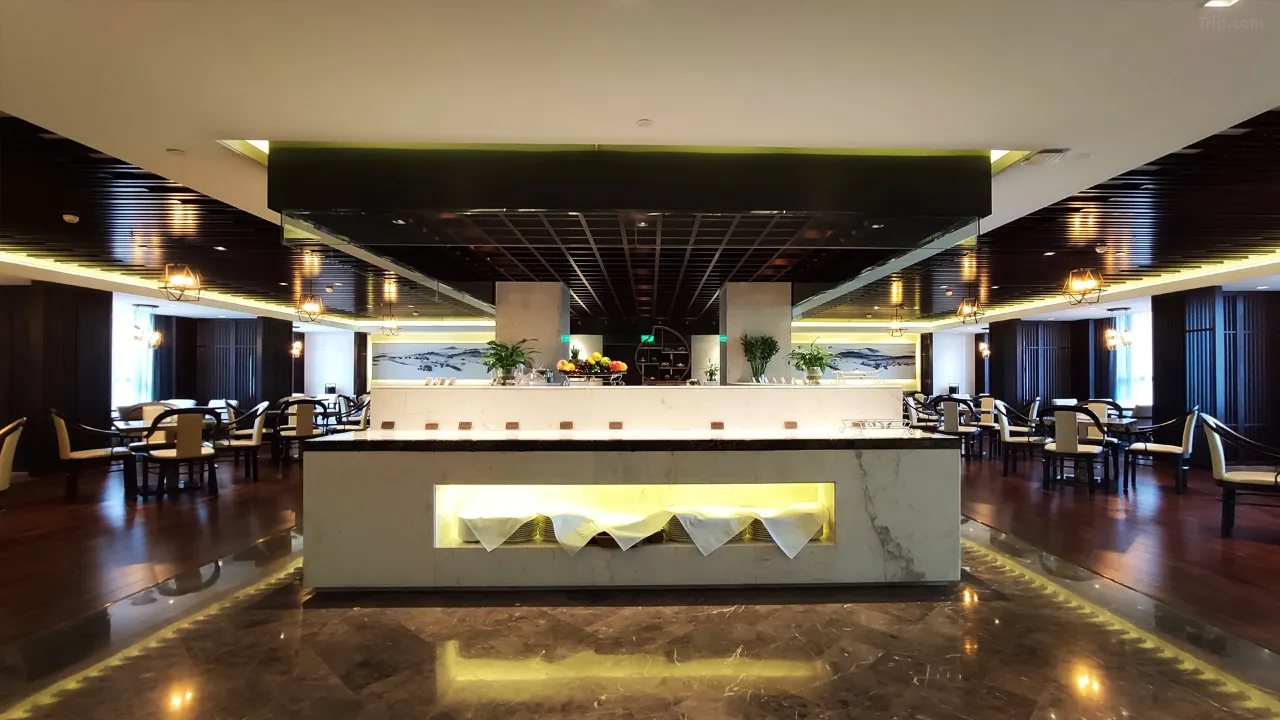
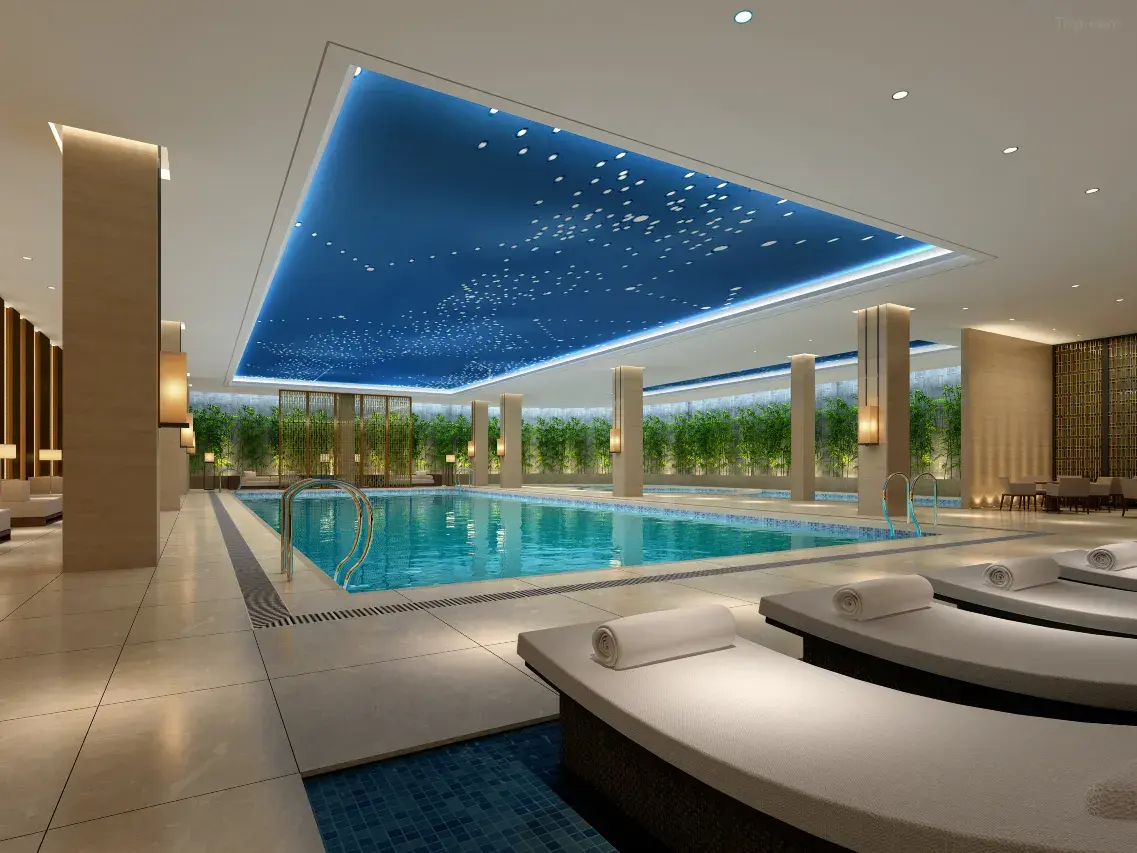
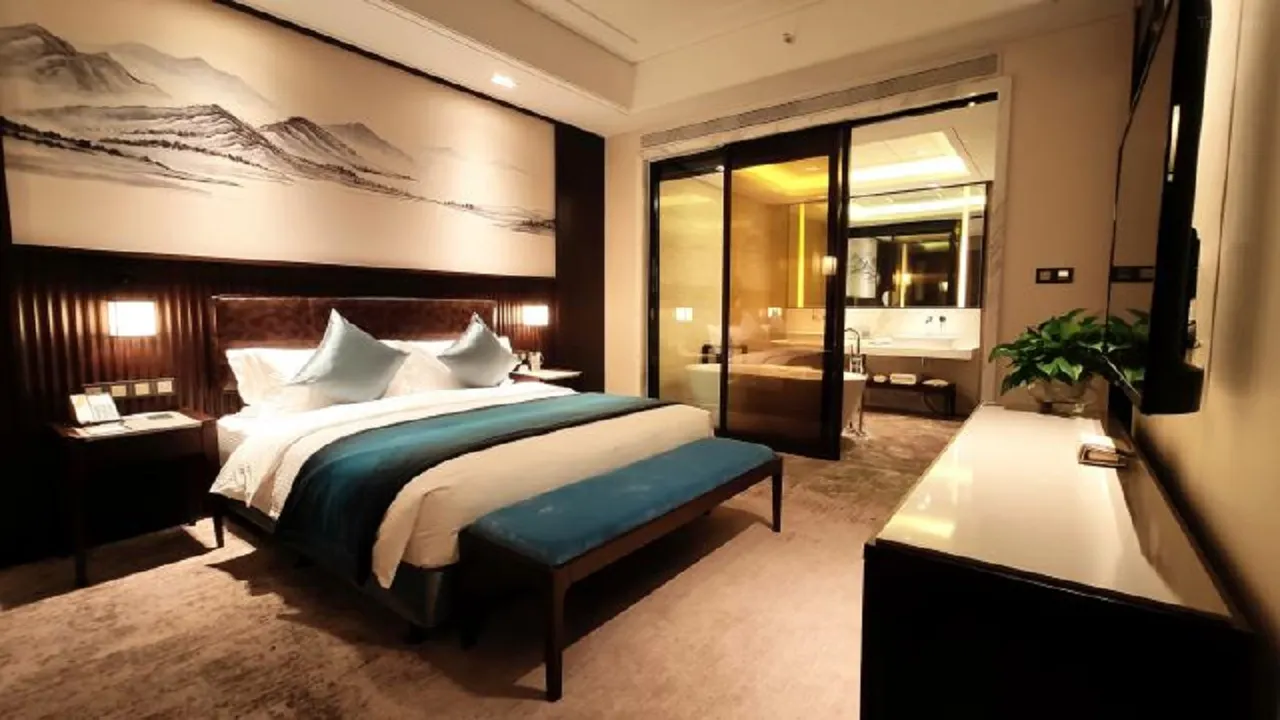
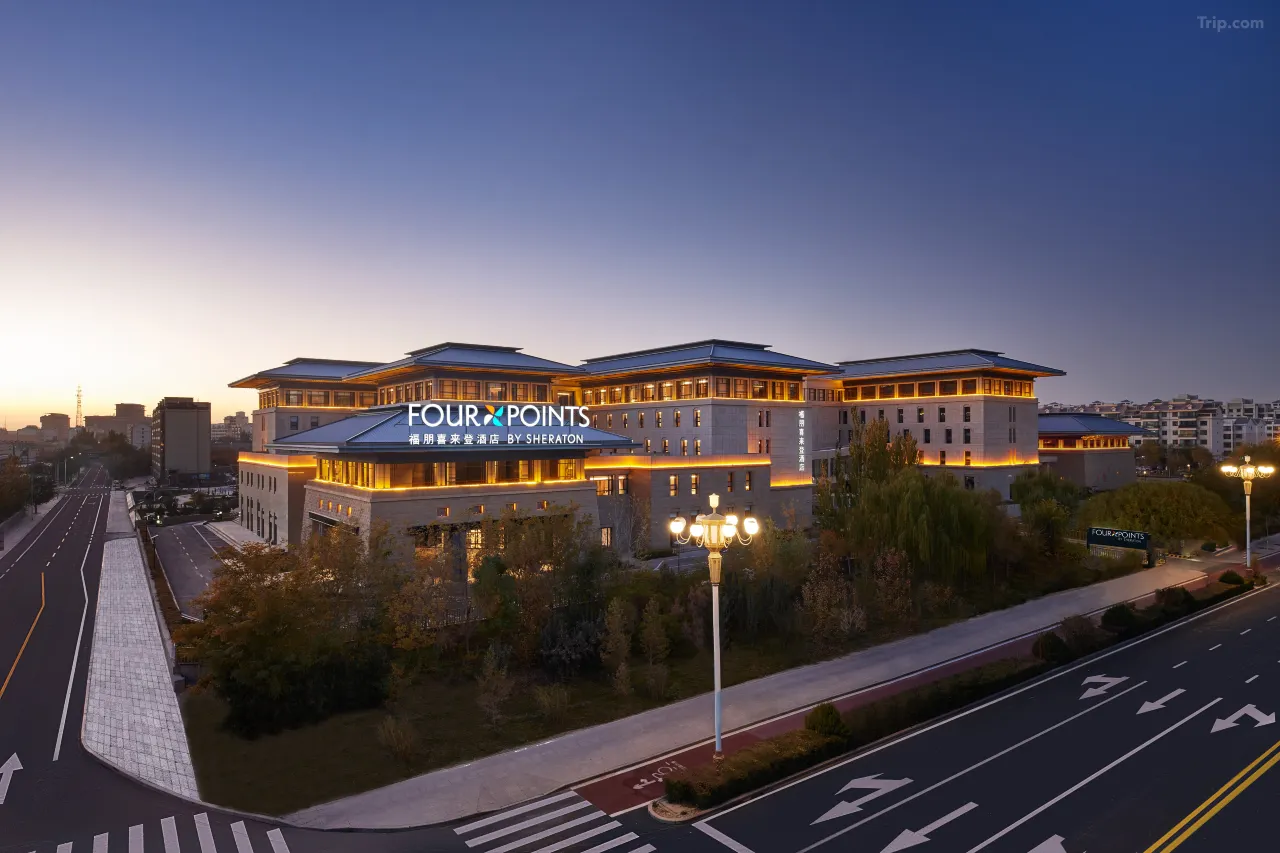
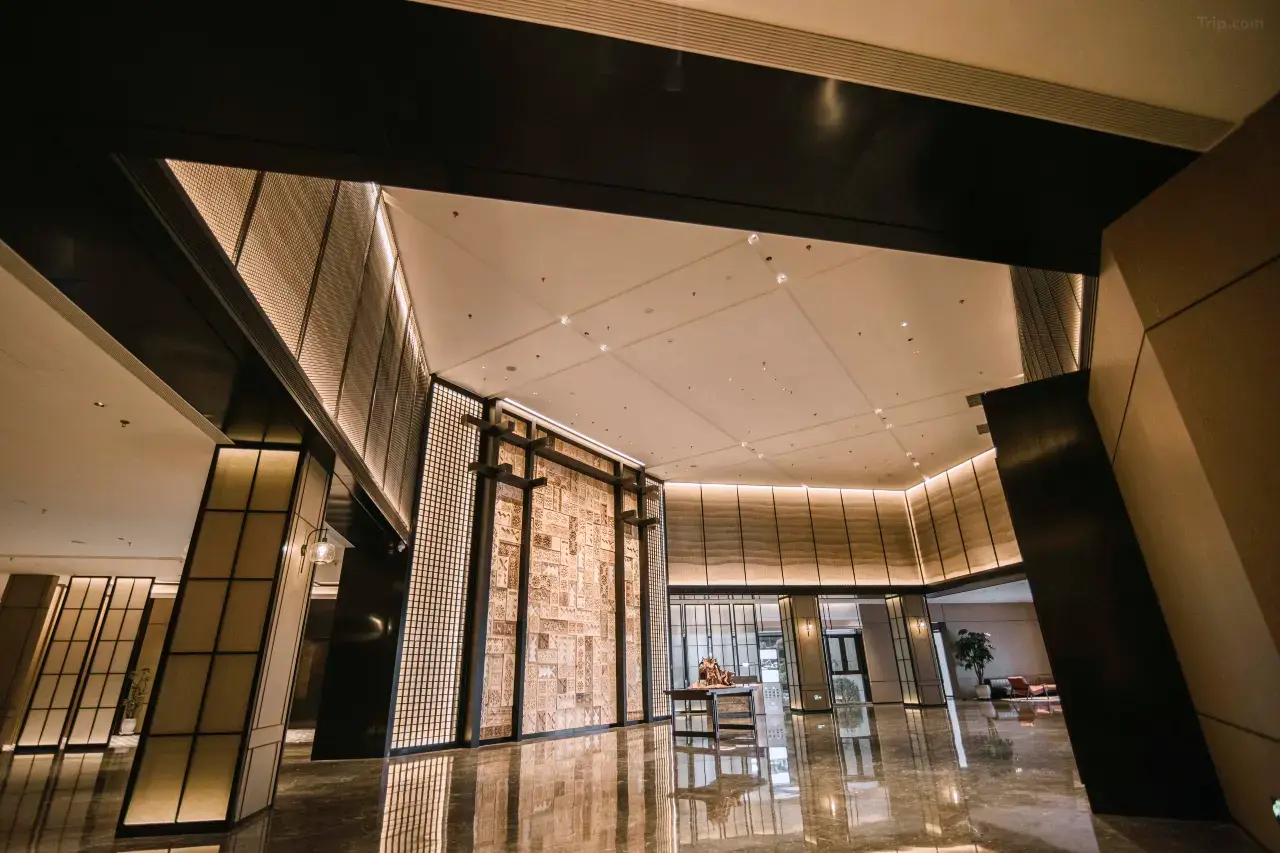
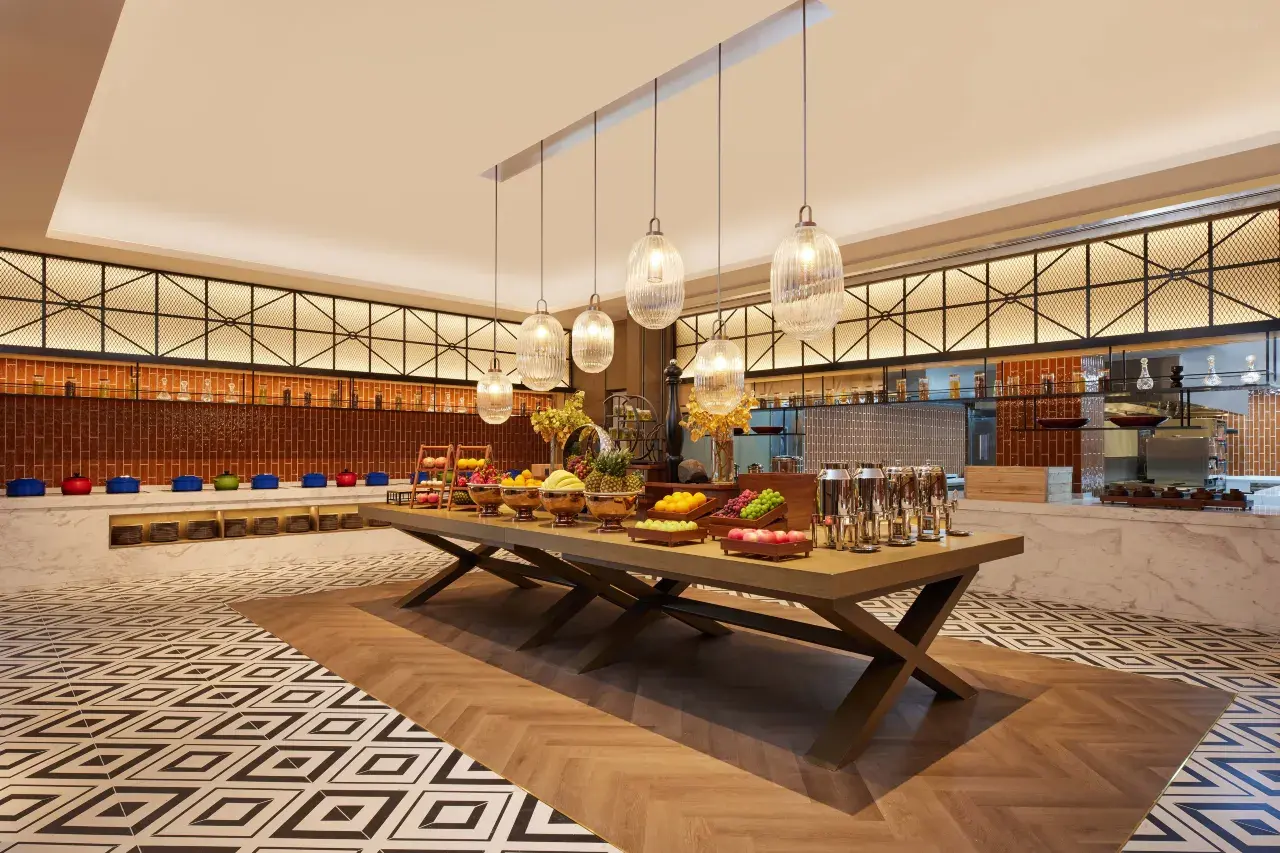
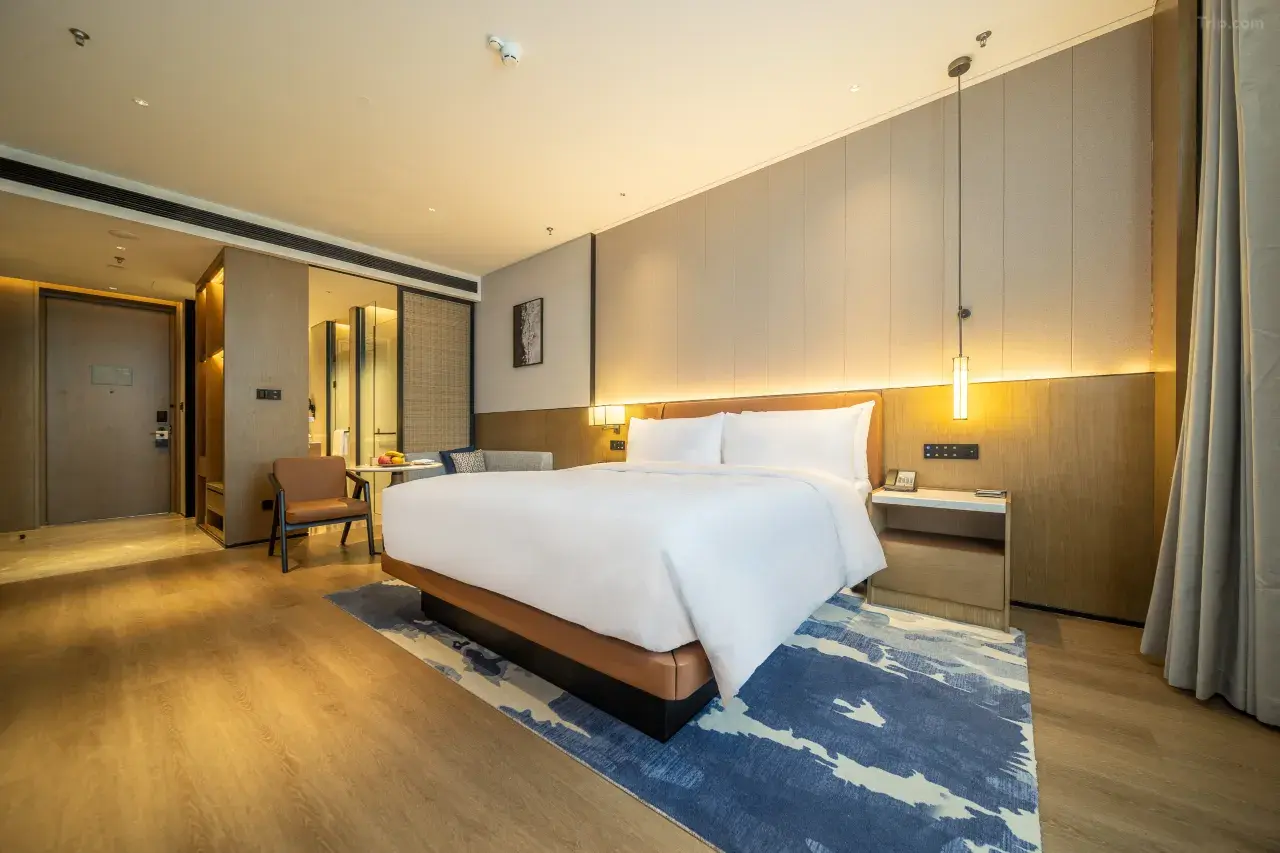
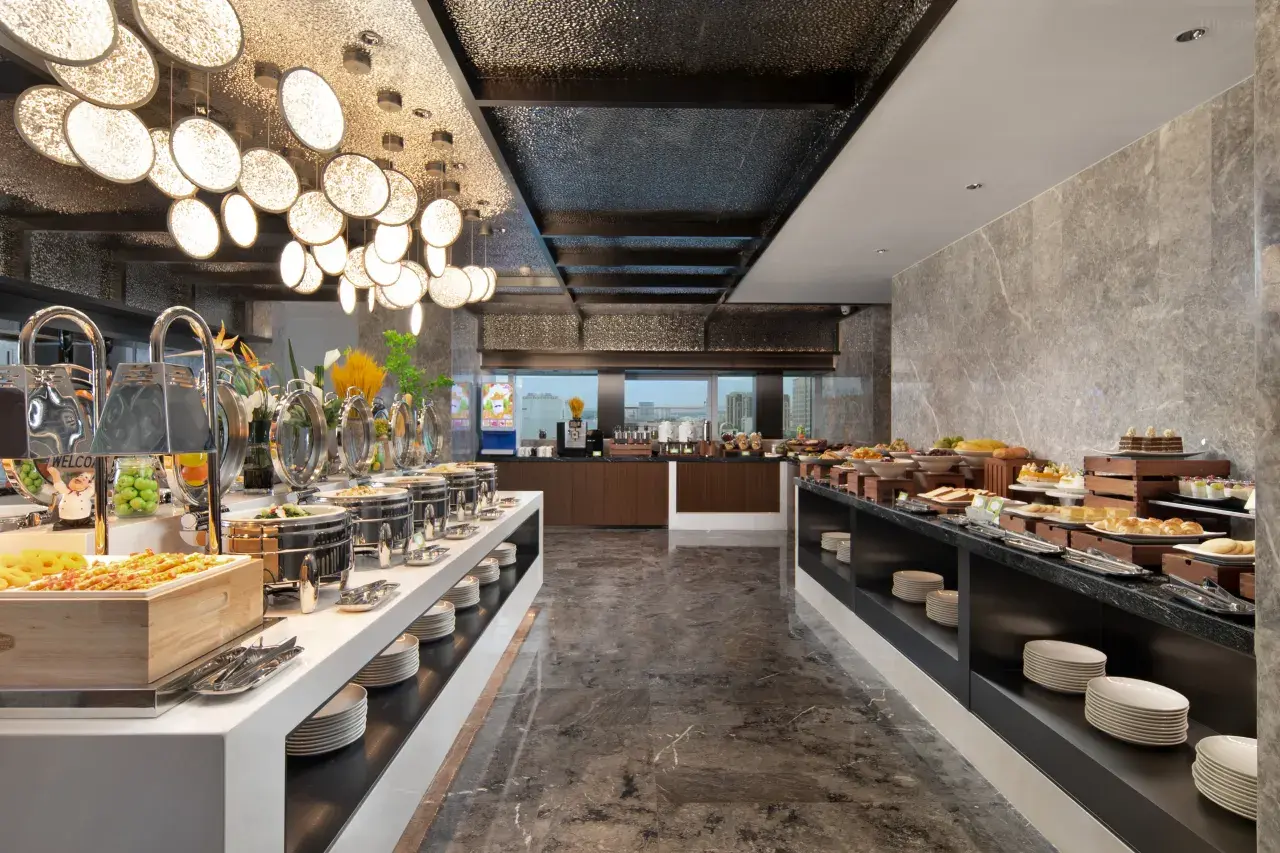
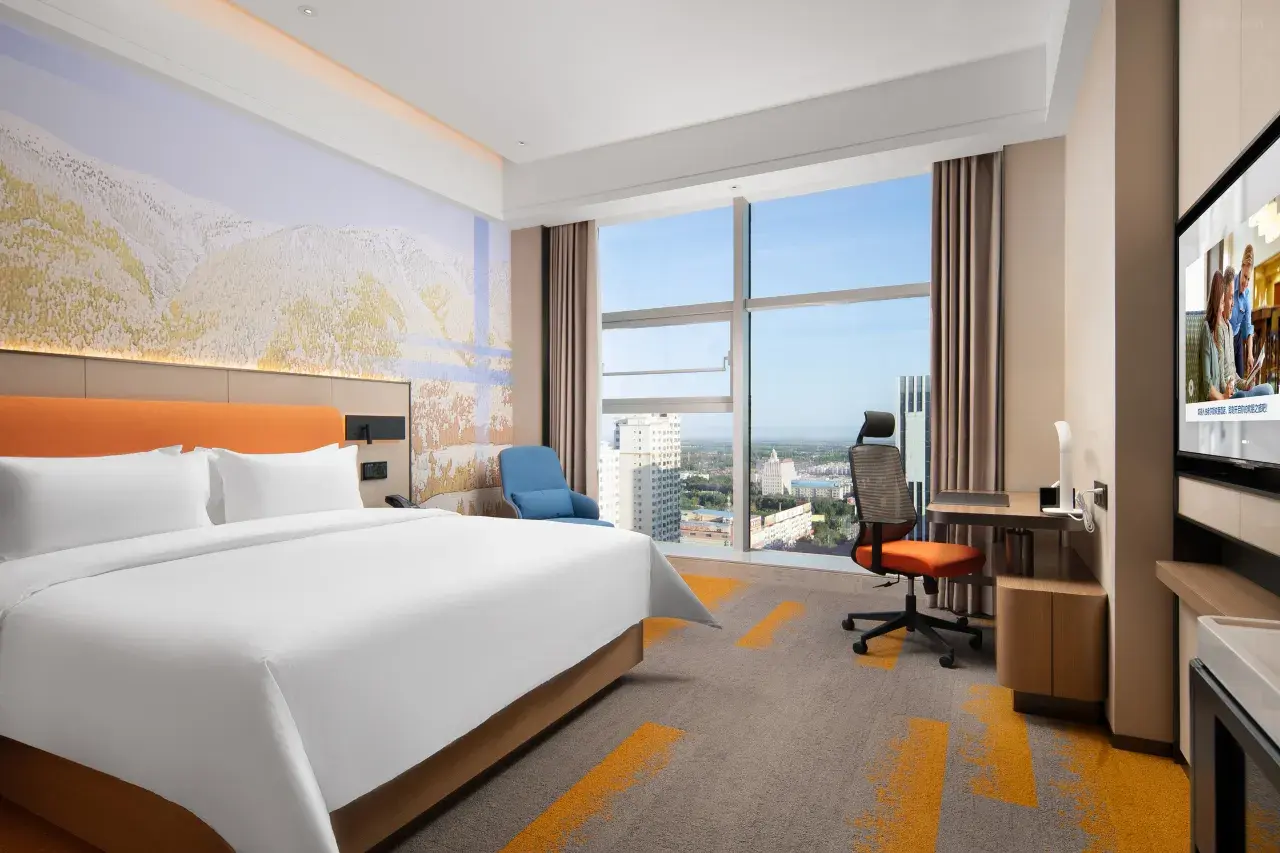
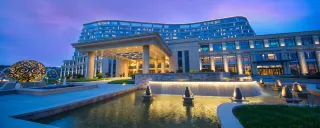
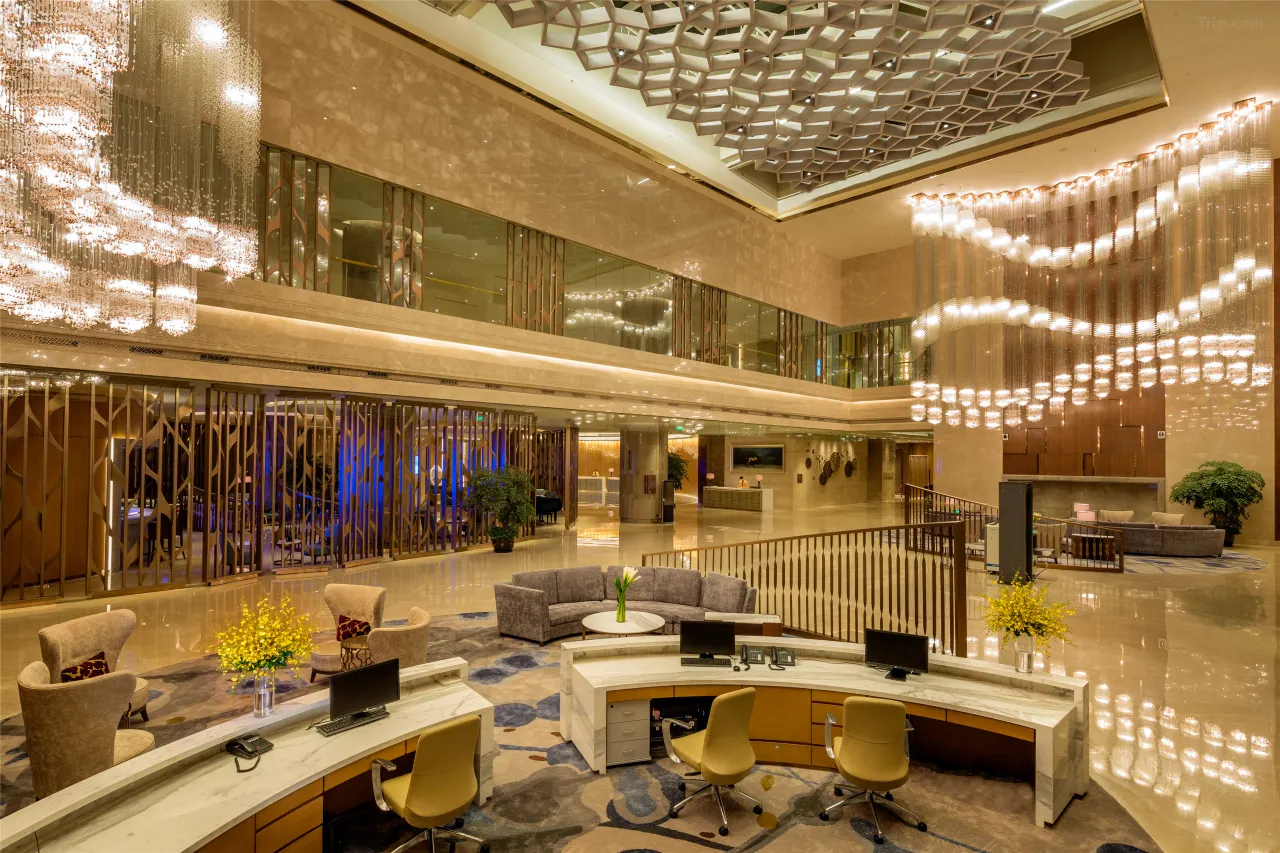
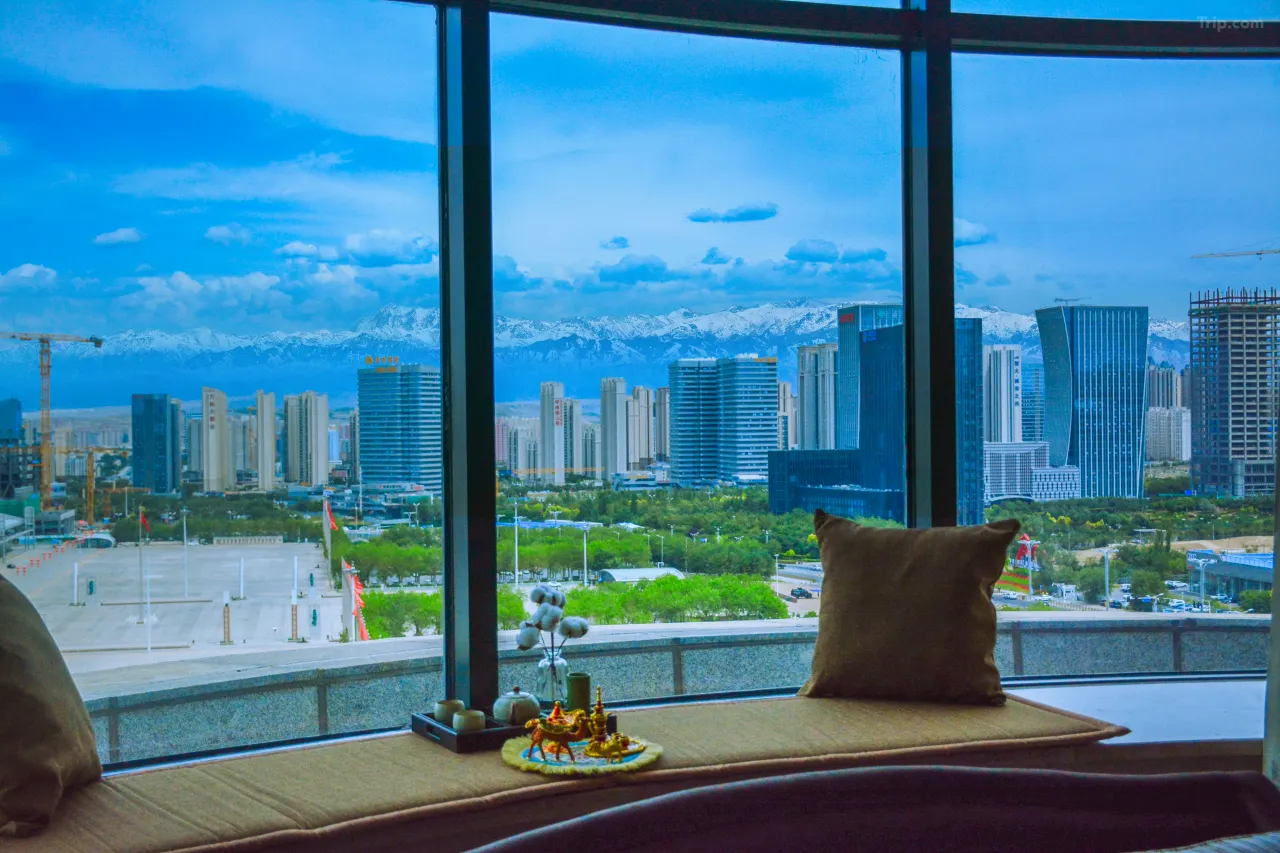
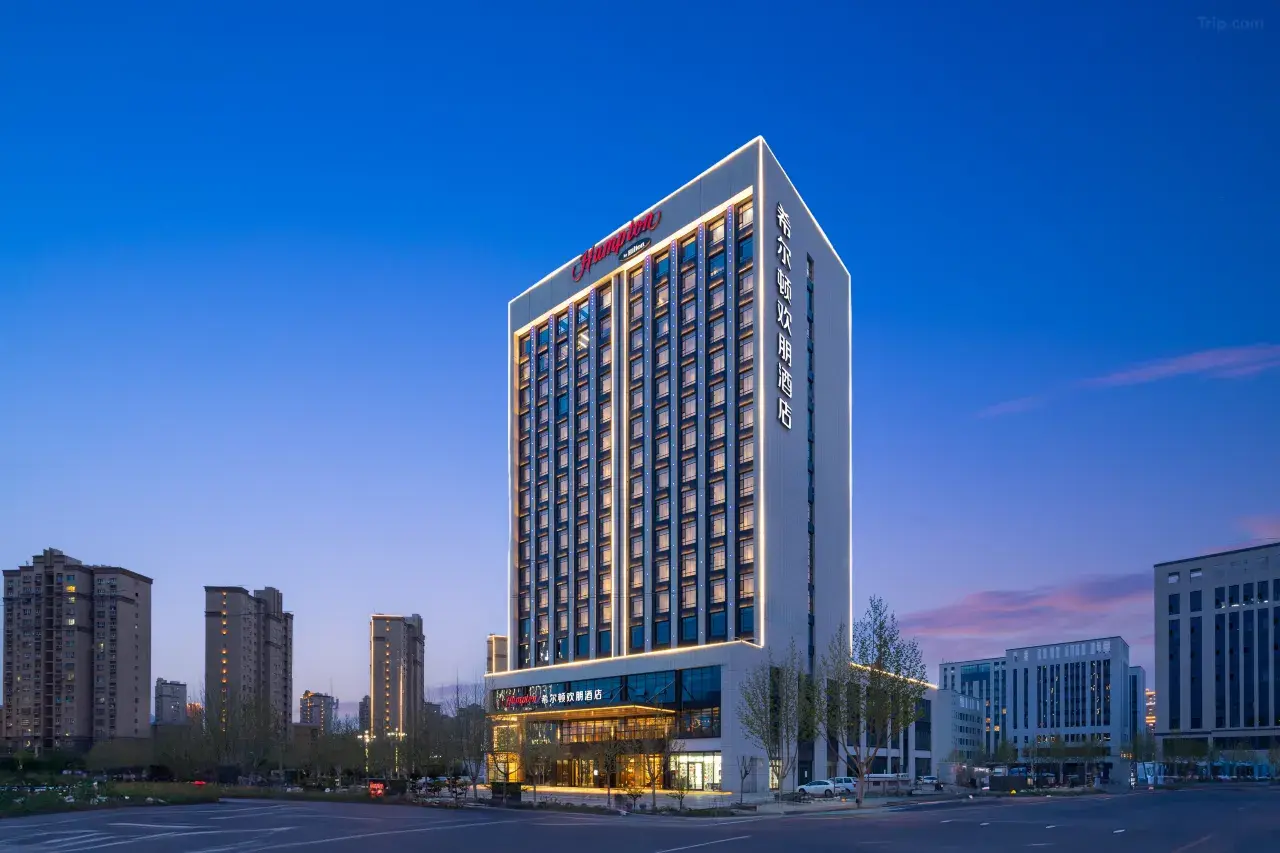
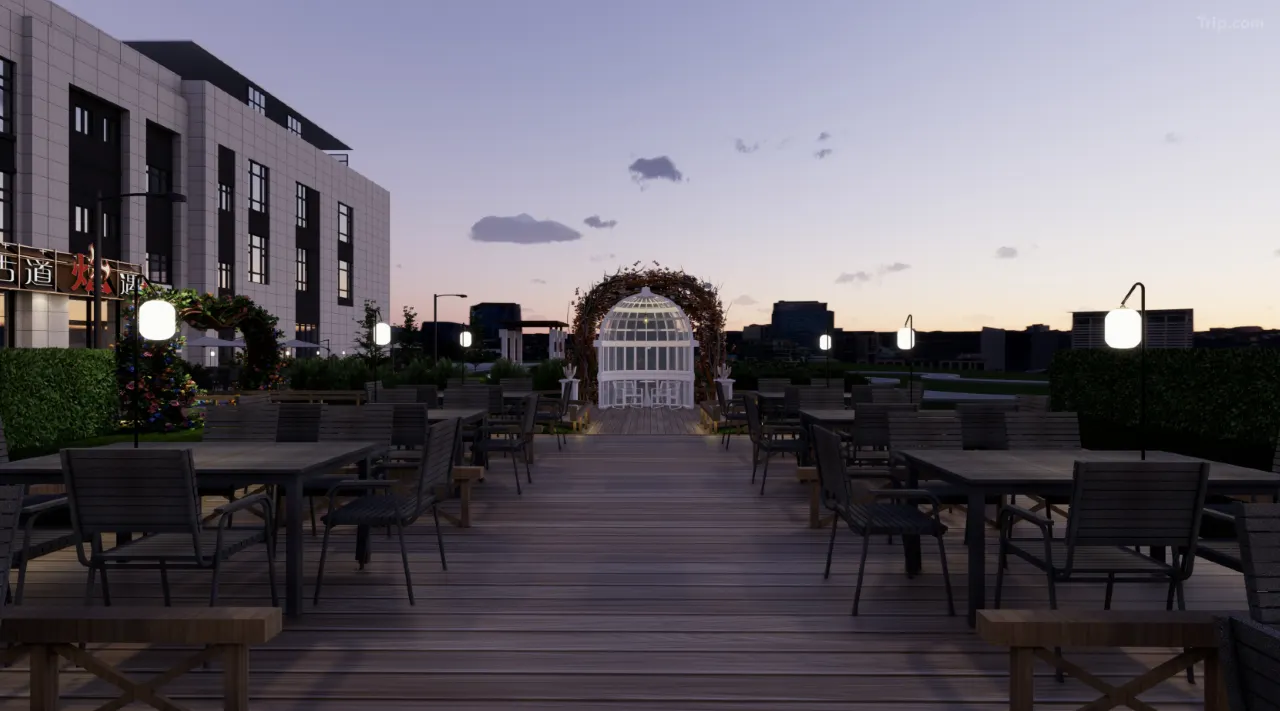
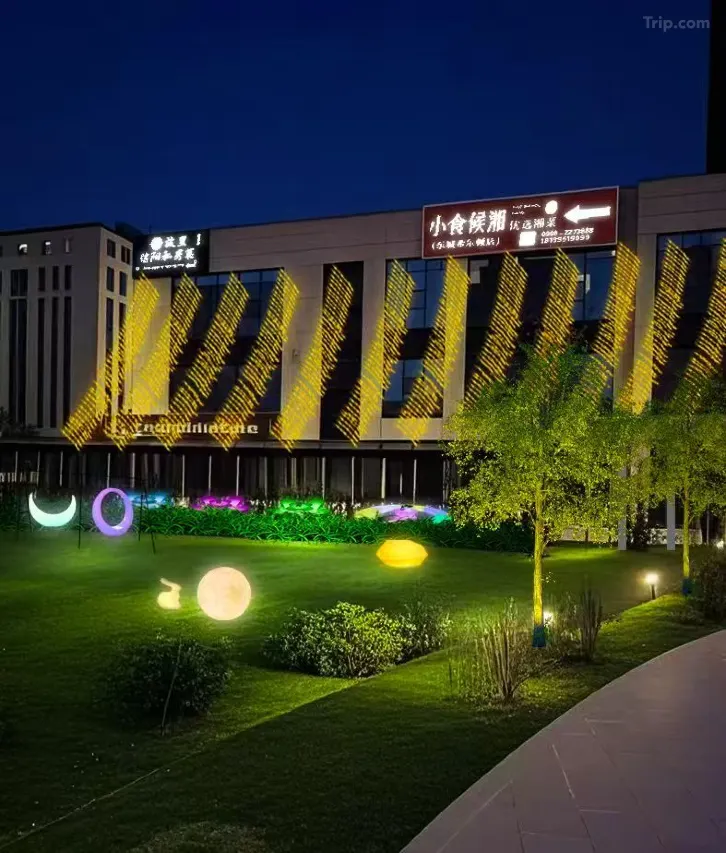
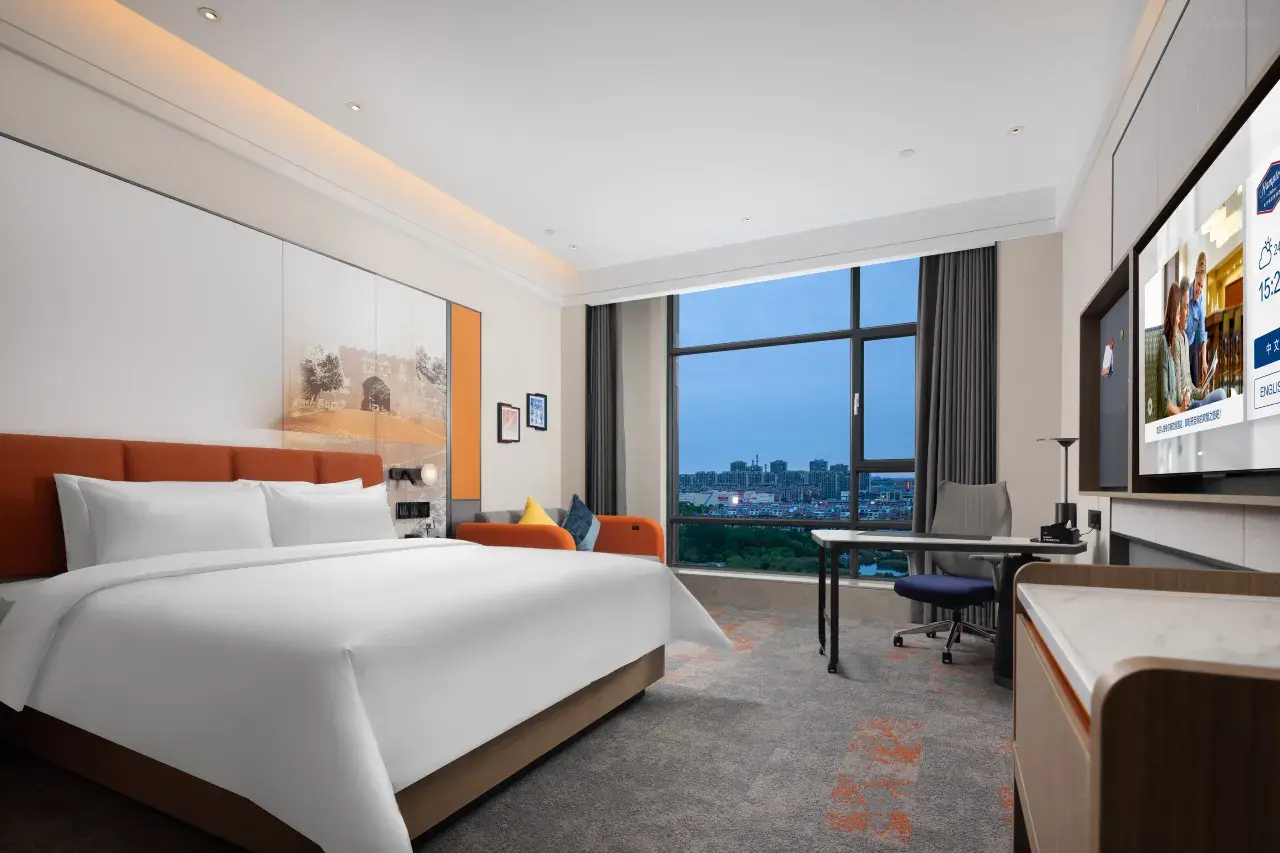
Our 5-star stays are hand-selected against strict criteria:
Prime central locations
High service standards with English-speaking staff
Refined interior design
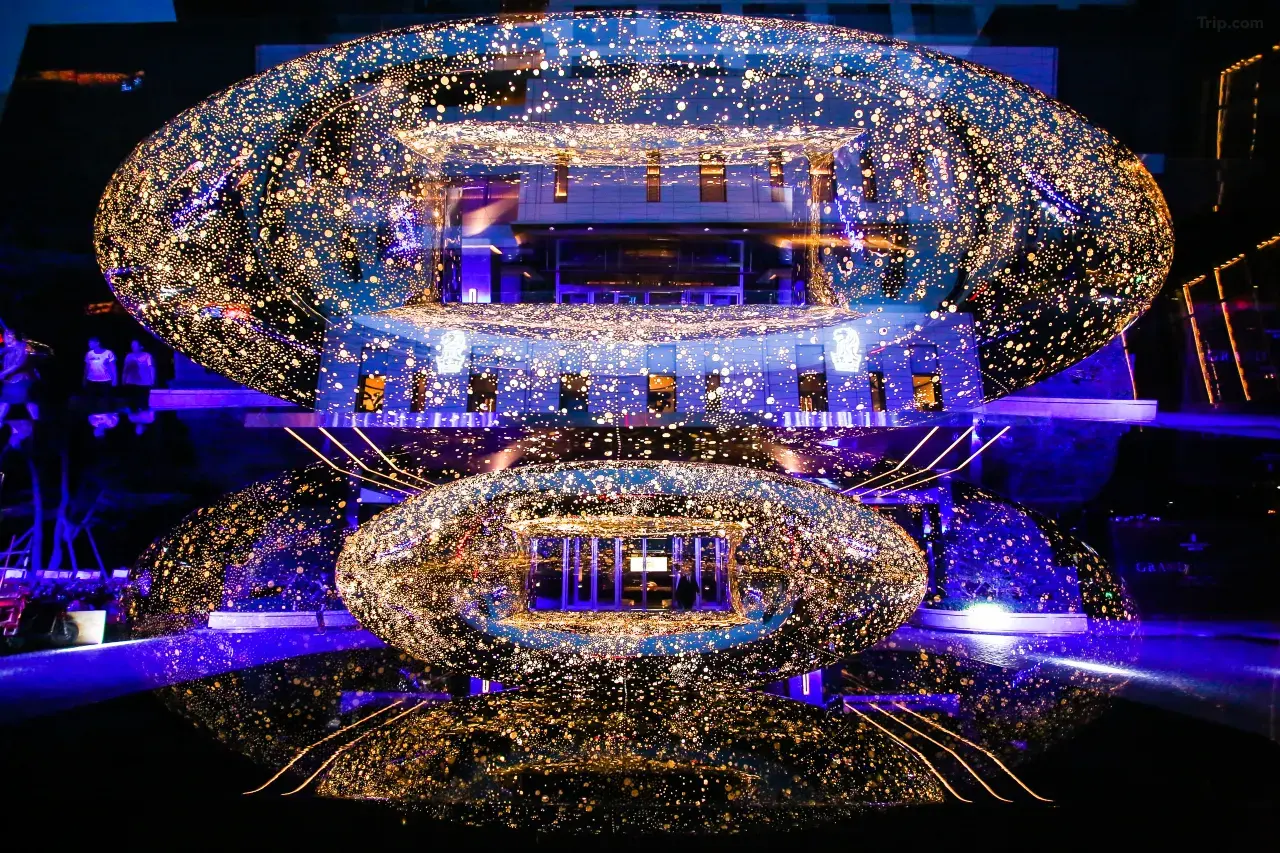
Standout appeal
We prioritise 5-star hotels throughout the Silk Mirage itinerary. However, in some remote destinations where luxury options are limited, the best available 4-star properties will be used instead to ensure comfort and practicality.
Should our preferred option be unavailable, an alternative of equal calibre will be arranged.
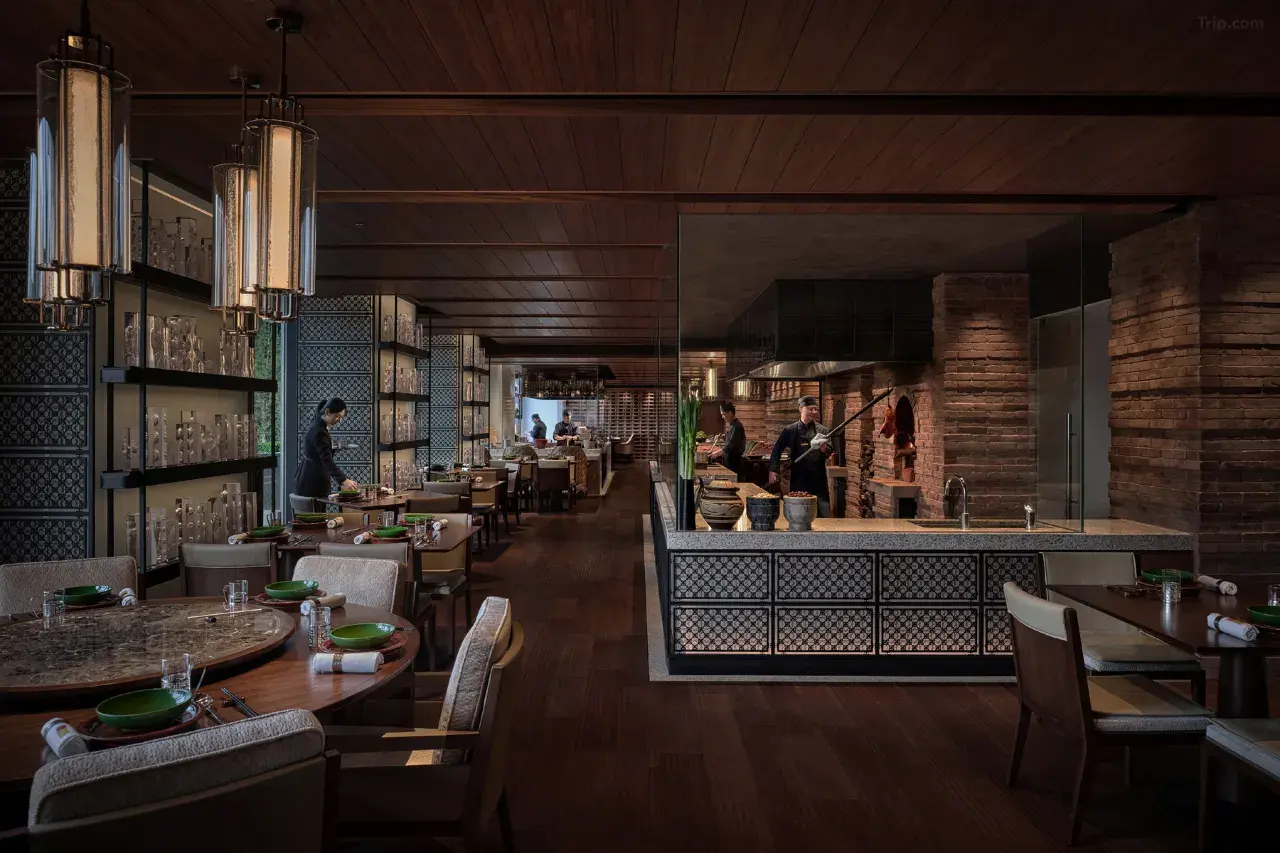
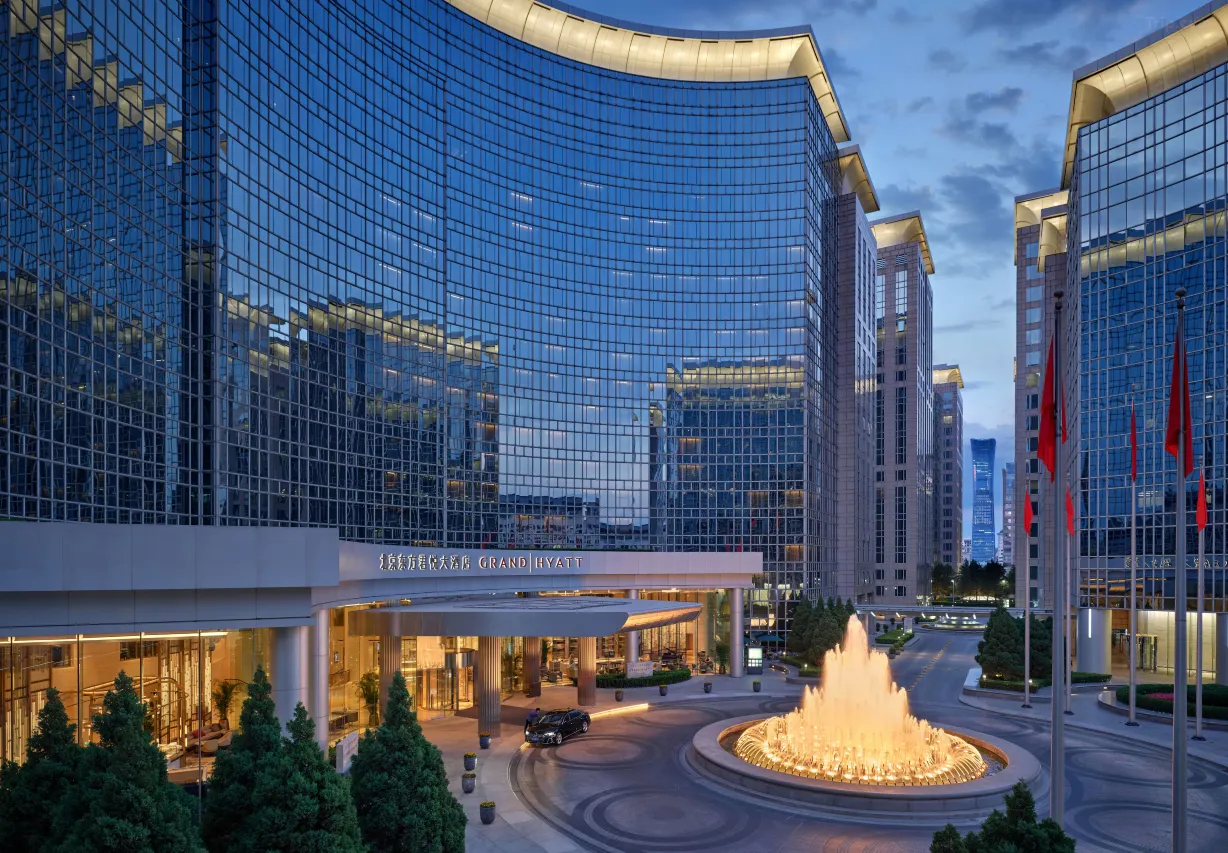
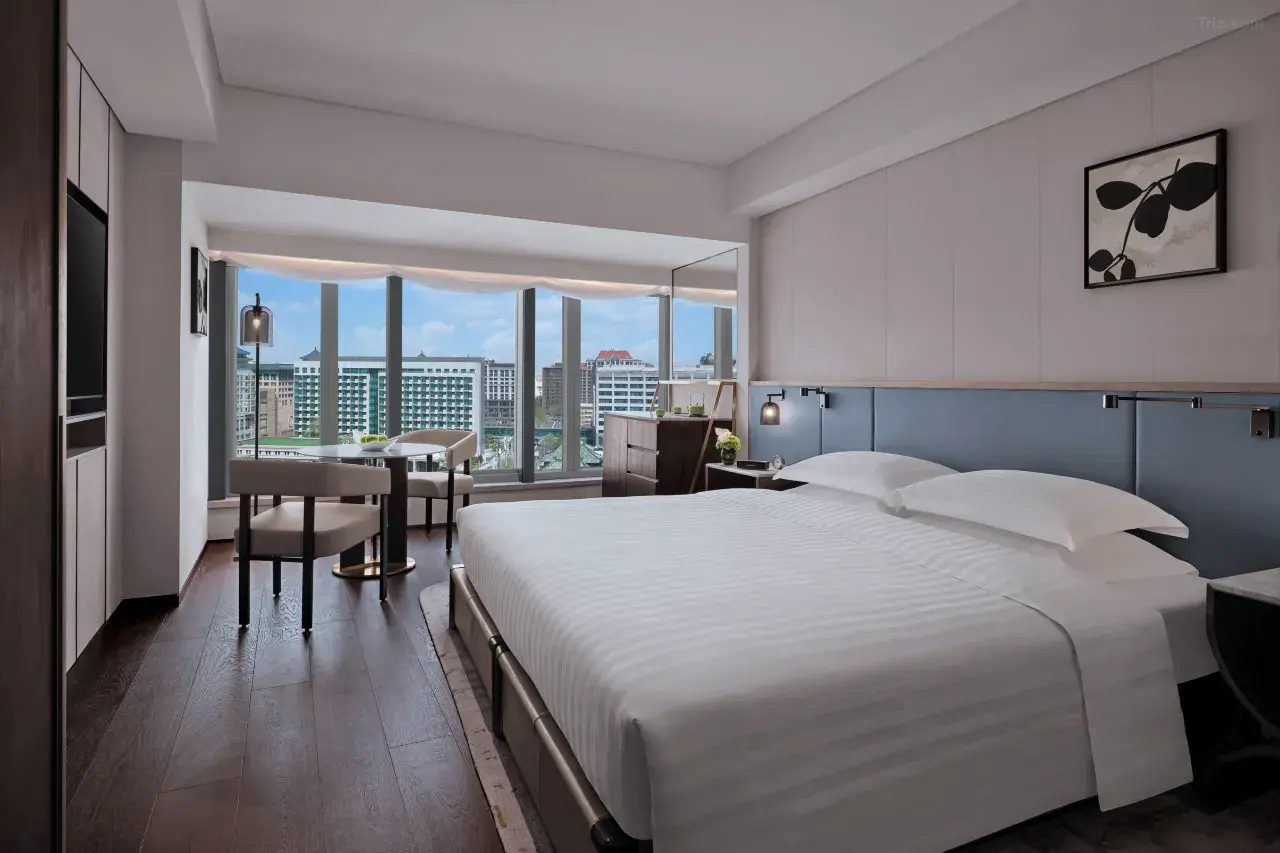
1 king bed premium

Culinary Highlights
Dining is yours to personalise. Whether you’re chasing a signature local dish or a specific restaurant, we’ll steer you toward genuinely authentic options and arrange reservations where requested (specialty dining costs not included).
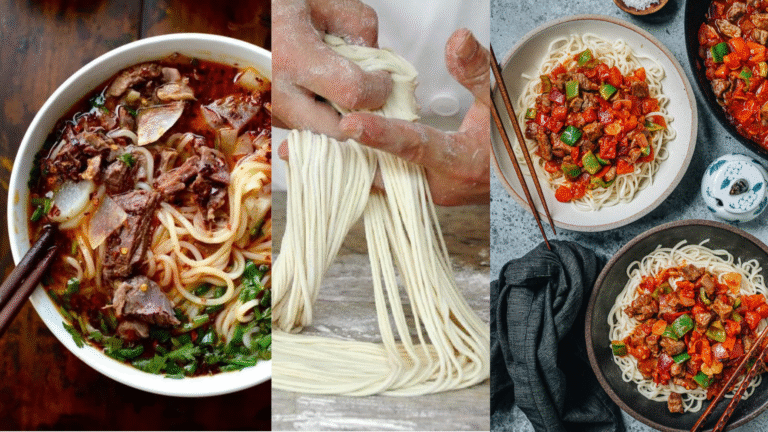
Hand Pulled Noodles (La Mian) / Laghman
Along China’s Muslim corridor, noodle-making becomes performance art. In Lanzhou, you’ll encounter famous Lanzhou beef noodles — clear, aromatic broth, chilli oil, herbs, and ribbons of dough stretched and snapped into strands by hand in seconds.
Travel further west into Xinjiang and the noodle culture evolves into laghman — thicker, chewier strands stir-fried with lamb, tomatoes, capsicum, and cumin. It’s Silk Road cuisine in a bowl: Chinese technique, Central Asian spice, Islamic culinary tradition.
Uyghur Cuisine
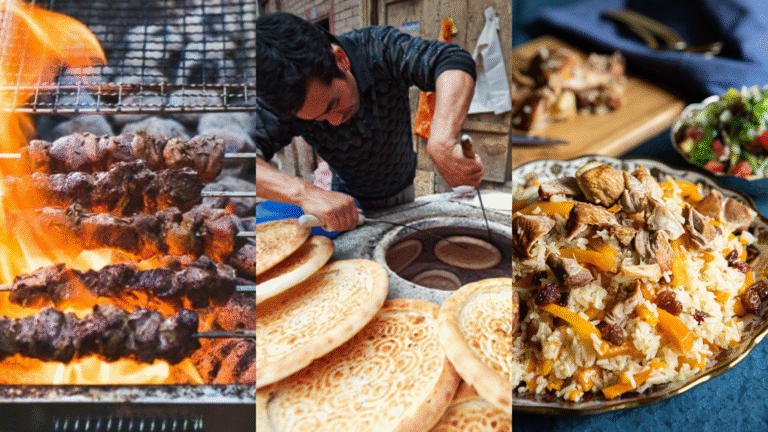
In the oasis cities of Turpan, Urumqi, and Kashgar, your plate sits halfway between Istanbul and Shanghai.
Expect charcoal-grilled lamb skewers dusted in cumin and chilli, naan baked in clay tandoor ovens, sweet Hami melons and Turpan grapes, and fragrant polo (Uyghur pilaf) cooked with carrots, raisins, and tender meat. Shared platters, flatbread instead of rice, and bold spice profiles mark the cultural shift as the Silk Road edges toward Central Asia.
Pricing
Dates
2026 – 2027 Tour available from:
- Jul 15 – Oct 31
Except the following dates:
- Feb 1 — Feb 28
- May 1 — May 5
- Jun 5 — Jul 15
- Oct 1 — Oct 7
Why are these dates unavailable?
Peak Travel Period Policy
At Rulai, we and our guests place a high value on peace of mind, flow, and experiential quality when travelling. China operates on a tightly structured national calendar, with limited discretionary leave outside its major public holidays. As a result, domestic travel demand concentrates into a handful of fixed periods each year, during which large portions of the population travel simultaneously.
During these peak windows, crowd density, transport congestion, and service strain reach levels that make it impossible for us to deliver the standard of experience we consider acceptable. In such conditions, even premium accommodations and private arrangements are affected. For this reason, Rulai does not operate tours during select peak periods in China’s calendar. This decision is deliberate and non-negotiable, made to protect the integrity of our itineraries and the experience of our guests.
We appreciate your understanding and apologise for any inconvenience this may cause.
Periods Not Served
February (Full Month)
The entire month of February is blocked due to the overlap of Chinese New Year (Spring Festival) and winter school holidays. This is China’s most travel-intensive period of the year, with widespread closures, reduced service availability, and extreme congestion nationwide.
Applies to 2026 and 2027.
Labour Day Holiday
1 May – 5 May
Labour Day forms one of China’s major travel “Golden Week” periods, generating a sharp surge in domestic tourism, inflated pricing, and limited availability across key destinations.
Early to Mid-June (Post-Gaokao Period)
In early June, China’s national university entrance examinations (Gaokao) conclude, triggering a large-scale release of students into graduation travel. This period coincides with the lead-in to summer school holidays and results in a sudden nationwide spike in domestic tourism, particularly among younger travellers.
National Day Golden Week
1 October – 7 October
National Day marks the single largest annual travel event in China. Hundreds of millions travel simultaneously during this week, placing extraordinary pressure on transport networks, accommodation, and attractions. Crowd levels and logistical constraints during this period are incompatible with the experience standards Rulai upholds.
Recommended dates:
- Late September – cooler weather and snow capped mountains.
Expedition: Silk Mirage
Standard Package-
Economy flights to China & internal air
-
Highest class rail transport
-
5 star hotel stays
-
Airport meet & greet with transfers
-
English speaking expert guides
-
All entrance fees & taxes
-
Most meals included, with select free-dining moments
-
No gratuities & zero tipping policy
What happens after you book
Step 1 — Payment Confirmation
Once your bank transfer is completed, simply send us a screenshot of the transaction.
We will acknowledge receipt and issue a payment confirmation, securing your place on The Vertigo Collection.
Step 2 — Immediate Onboarding (Within 24 Hours)
Within the next 24 hours, preparation begins.
You’ll receive:
Clear, step-by-step guidance on setting up WeChat Pay, Alipay, and mobile connectivity in China (Rulai Signature VIP Pack benefit)
A complimentary eSIM code (Rulai Signature VIP Pack benefit)
A short but essential guest survey covering personal details, dietary requirements, and travel preferences
This allows us to fine-tune logistics well before departure.
Step 3 — Extended Backend Briefing (30 Days Before Departure)
Thirty days prior to travel, you’ll receive a comprehensive extended briefing pack, including:
A detailed, day-by-day itinerary with critical operational context inlcuding flight details, rail times
What to pack (and what not to)
Practical information that removes uncertainty and reduces decision fatigue
At the same time, contingency CNY cash is dispatched to your nominated address
(Rulai Signature VIP Pack benefit).
Step 4 — Final Confirmations (Within 7 Days of Departure)
In the final week before departure:
Airport transfer confirmations are issued
(Rulai Signature VIP Pack benefit)Connect with your guide via text before you land
Bonus: Countdown Series emails
In the lead-up to departure, a deliberate three-part email series is released at 50, 21, and 7 days out — combining subtle reminders with curated off-itinerary experiences and essential travel intelligence.
Cancellation Policy
Rulai Cancellation & Refund Policy
Rulai operates on a limited-capacity, high-commitment model. Cancellations impact supplier contracts, logistics, and the experience of other guests. The policy below is firm, transparent, and non-negotiable.
Rulai Signature VIP Pack Benefit
Guests who pay the full tour cost upfront receive an exclusive benefit from the VIP pack:
• Fully refundable within 30 days of purchase, provided cancellation occurs more than 75 days prior to departure.
This benefit does not apply to partial payments or payment plans.
Standard Cancellation Terms (All Guests)
Refunds are calculated based on the number of days before tour departure, not the date of booking.
• More than 75 days before departure: 75% refund
• 61–75 days before departure: 50% refund
• 31–60 days before departure: 25% refund
• 30 days or fewer before departure: No refund
• No-show or failure to join tour: No refund