
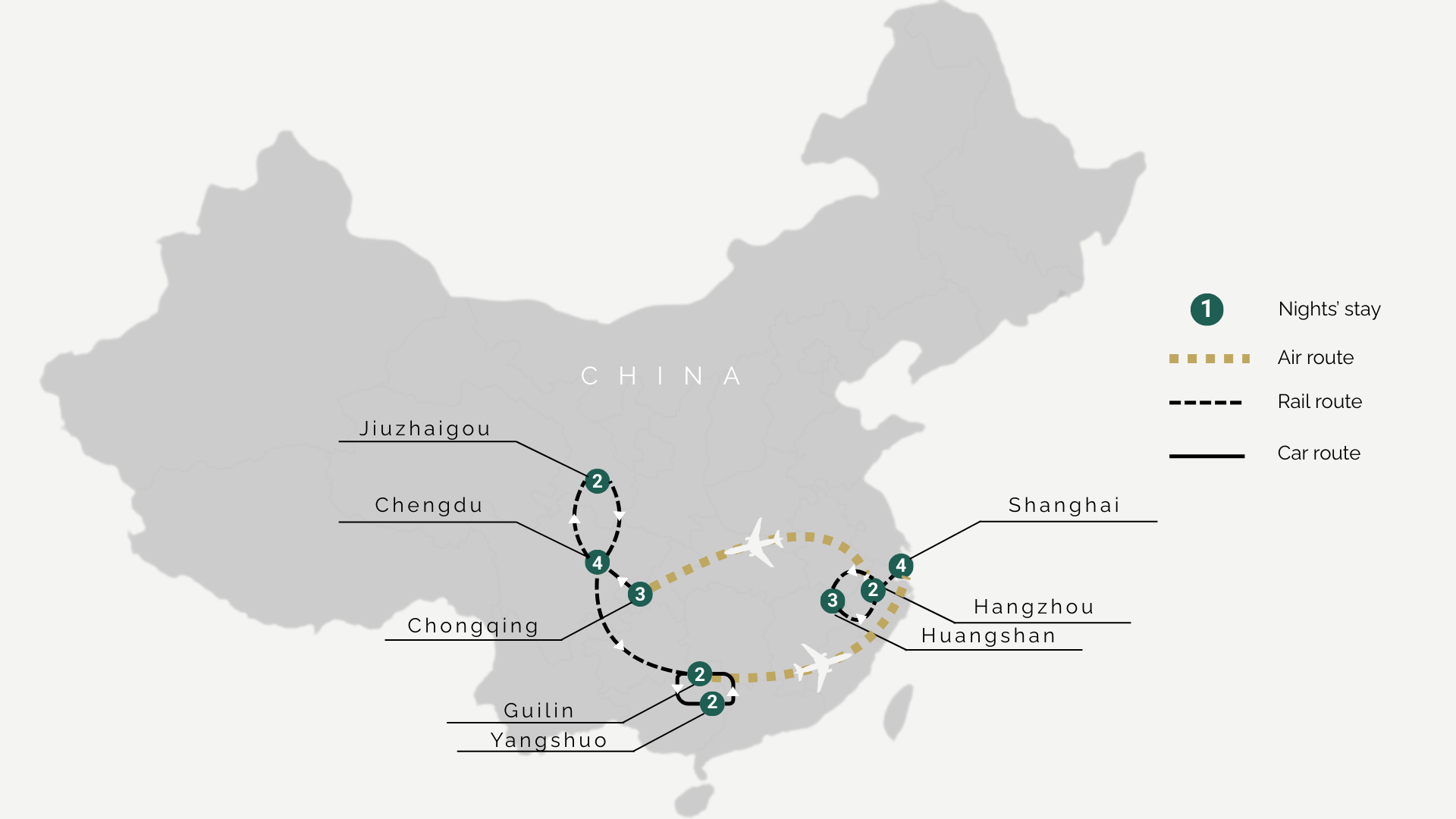
22 Nights
Through 8 cities, 10 UNESCO World Heritage Sites
Private Touring
With our expert English speaking travel concierges; at your own pace
5-Star Service
Hand picked luxury & boutique hotels, restaurants and ammenities
All inclusive & tailored
Flights, hotels, tickets, tranfers, most meals and customization included
The Shan Shui Collection is your all inclusive 22-night itinerary through China’s most iconic mountain-water scenes.
Unfolding like a classical scroll painting, let us guide you through nature’s most graceful examples of mountain- water interplay. From holy summits piercing oceans of mist to distant karst silhouettes beyond cascading rice terraces, experience the scenery that stirred generations of poets and artists and came to define China’s iconic natural imagery.
Witness the cathartic sunrise at the peak of Mt Huangshan as golden light breaks over a vast ocean of cloud and stone.
Explore the Longji Rice Terraces, where carved mountainsides turn into contouring ribbons that rise and fall.
Explore the interplay of Buddhism, Confucianism, and Taoism through the carved stone narratives of the Dazu Rock Carvings.
Visit Chongqing Zoo, home to China’s beloved giant pandas and red pandas
Five Flower Lake, Jiuzhaigou
Stillness is the spectacle at Mirror Lake, where the boundary between land and reflection quietly disappears. On windless mornings, forests, sky, and distant peaks settle onto the water’s surface with such precision that up and down lose their meaning. Fallen trees rest beneath the glass-clear shallows, preserved by mineral-rich waters that slow decay and sharpen colour.
Sanxingdui Art Museum, Chengdu
History turns surreal at Sanxingdui, where bronze masks with towering eyes and razor-edged features stare out from a civilisation that once thrived—and then vanished—along the Sichuan plains. Unearthed from sacrificial pits only in the late 20th century, these relics rewrote the story of early China, revealing an artistic tradition unlike anything found along the Yellow River heartlands. Gold, jade, and monumental bronzes emerge from the darkness of the galleries like visitors from another world, at once ancient and startlingly modern.
Dujiangyan Irrigation System, Dujiangyan
Two thousand years before modern dams, Dujiangyan bent a wild river into harmony with the land—without ever blocking its flow. Channels carved into the Min River divide, redirect, and release the water with quiet ingenuity, preventing floods while nourishing the Chengdu Plain to this day. Stand on the ancient levees and watch the current split around the man-made “Fish Mouth”. This ancient system benefits over 30 counties and cities today; covering one thousand hectares.
Longjing Tea Village, Hangzhou
In the hills above Hangzhou, Longjing’s tea terraces ripple outward like nature’s garden hedge. Here, the 1200 year old famed Dragon Well tea is still pan-fired by hand, its flat emerald leaves carrying notes of chestnut and fresh spring air. Mist gathers in the folds of the hills each morning, softening the light and feeding the soil, while narrow stone paths wind between family-run tea houses.
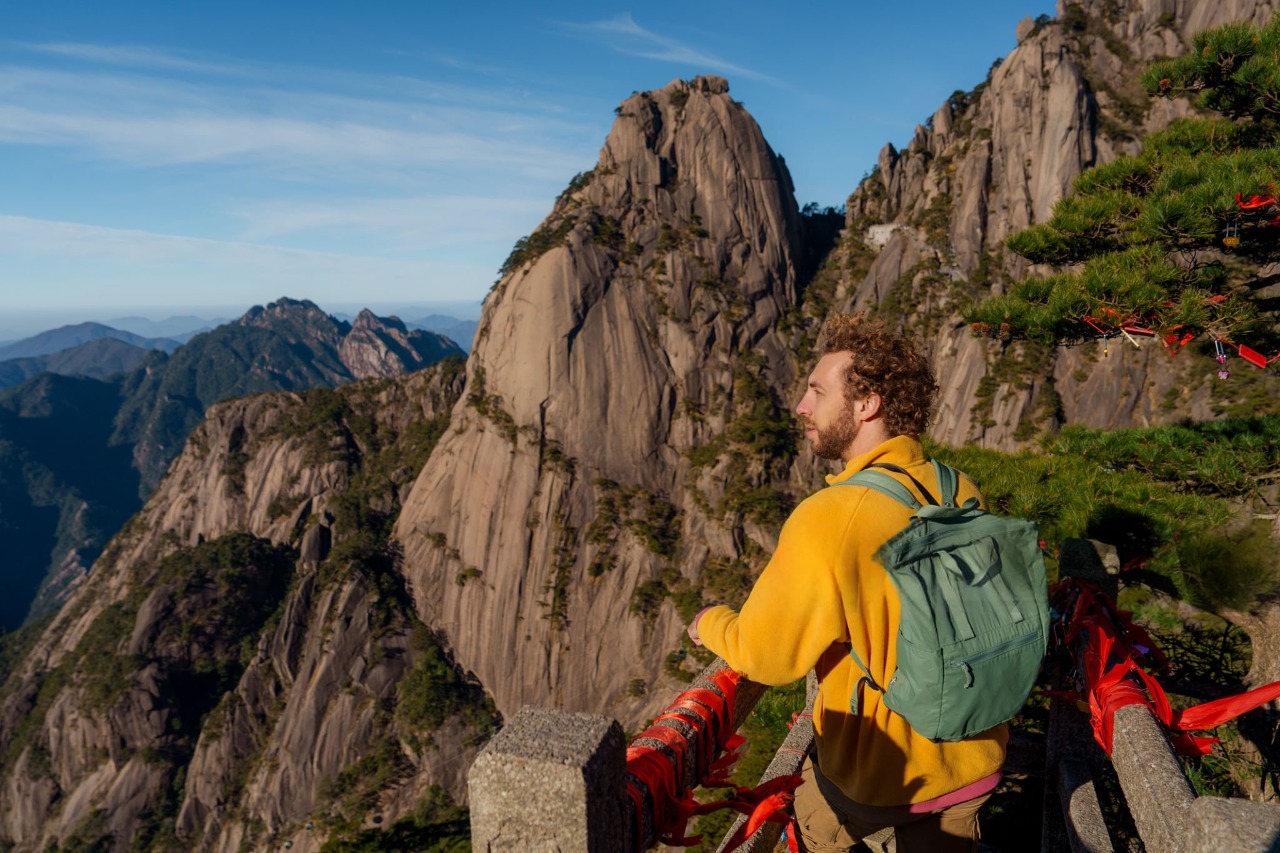
Mount Huangshan
Granite peaks thrust skyward in improbable clusters at Huangshan, their sharp silhouettes softened by drifting seas of cloud. Wind-shaped pines cling to sheer rock faces, roots gripping stone in quiet defiance of gravity. For centuries, poets and painters climbed these paths in search of forms that seemed to exist between earth and sky, where perspective shifts with every step and entire valleys vanish beneath rolling mist.
Shanghai
China’s most international metropolis rises where the Yangtze finally meets the sea, a city of vertical ambition and layered history. Glass towers and Art Deco relics stand in deliberate contrast, a modern prelude to a journey shaped by landscape and legacy. Here, the story begins in steel and skyline before turning toward water and mountain.
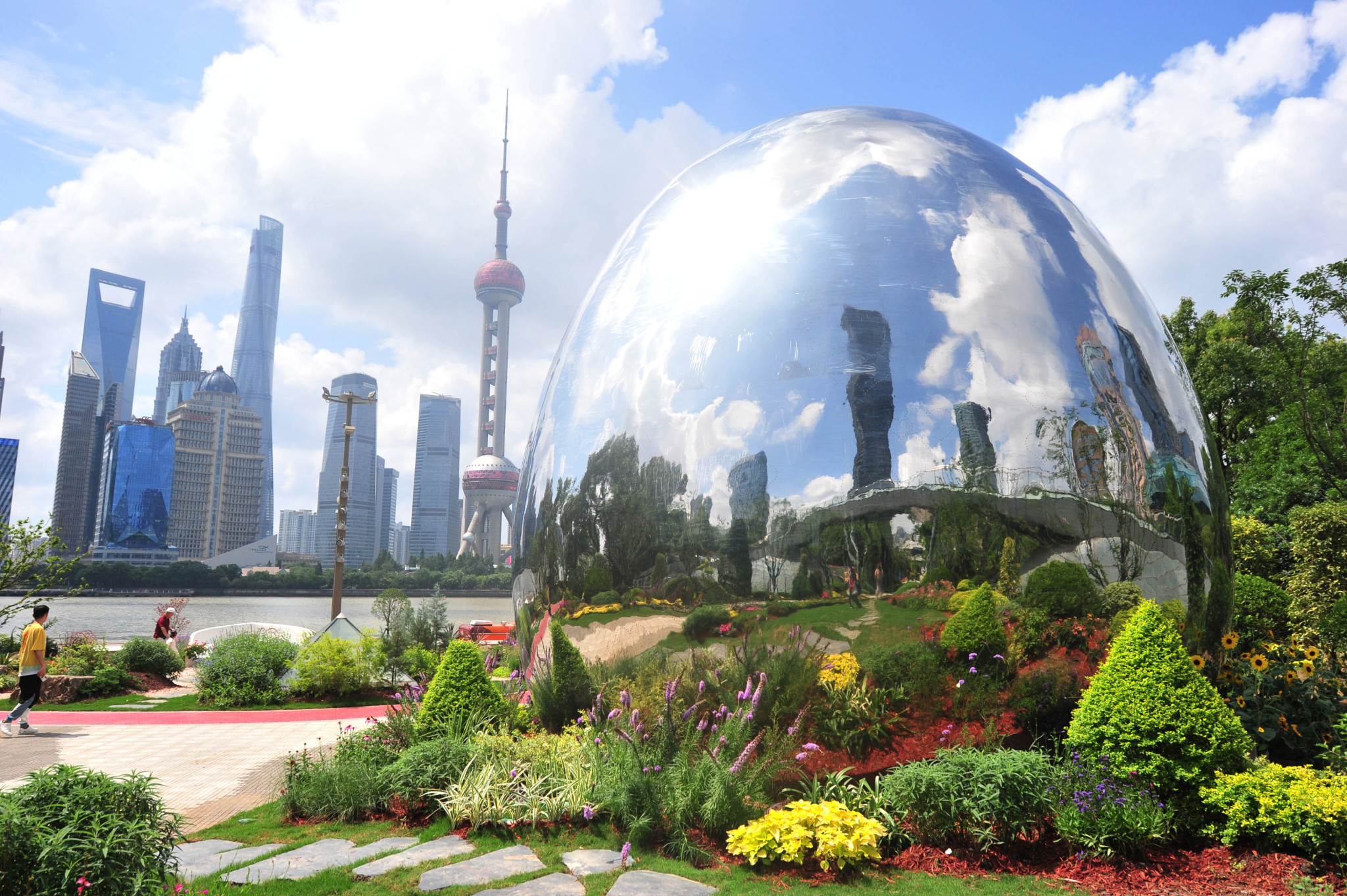
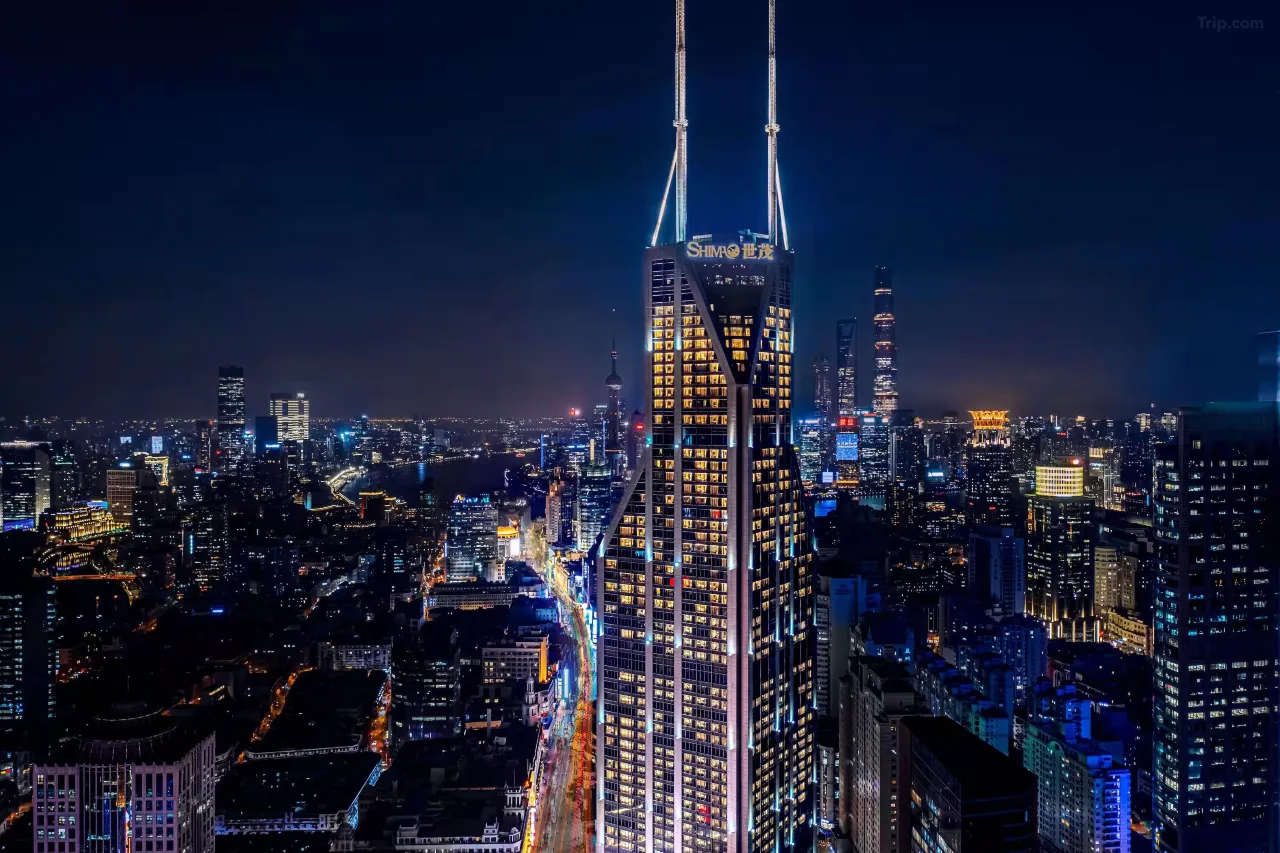
Settle into your hotel overlooking the Bund right into the heart of cosmopolitan Shanghai
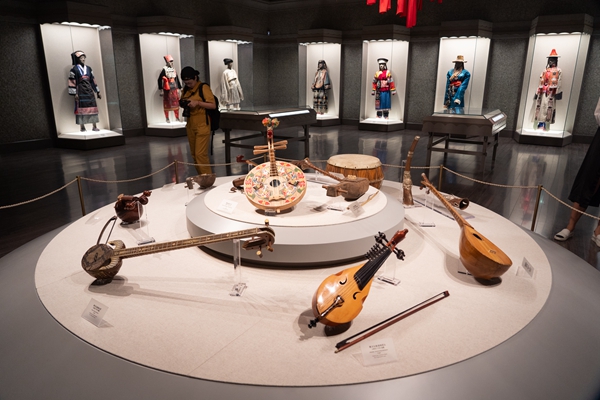
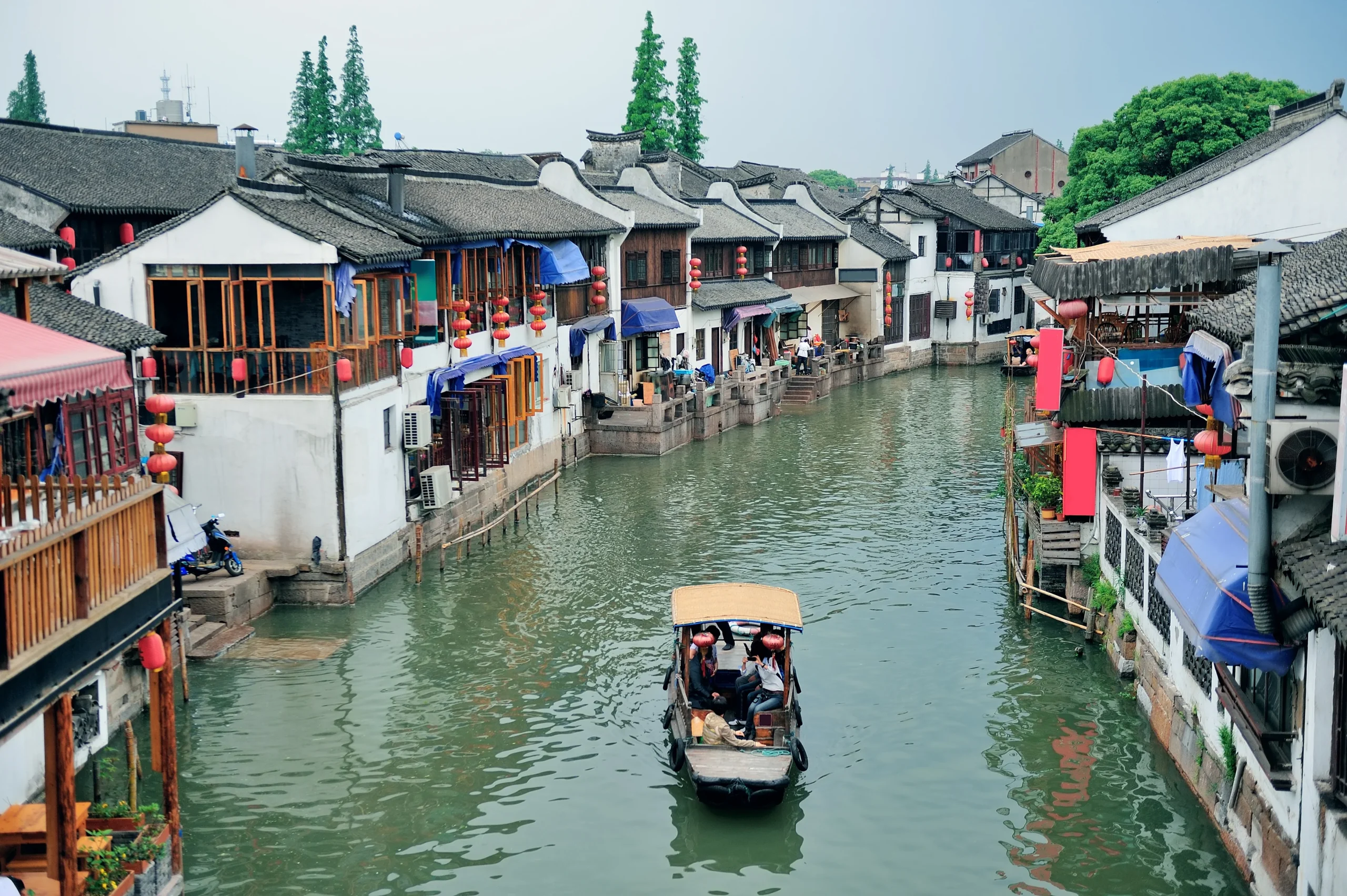
Visit the reowned Shanghai Museum for priceless sculptures, pottery, caligraphy and paintings. Wander the hazy water canal streets of Zhujiajiao in the afternoon sun.
Hangzhou
Once the capital of the Southern Song Dynasty, emperors, scholars, and artists transformed West Lake into a landscape of poetry, gardens, and philosophical retreat. Its position at the southern end of the Grand Canal made it one of imperial China’s most prosperous commercial cities. Today, that legacy has evolved into a new form: the forefront of China’s digital economy, home to tech giants like Alibaba.
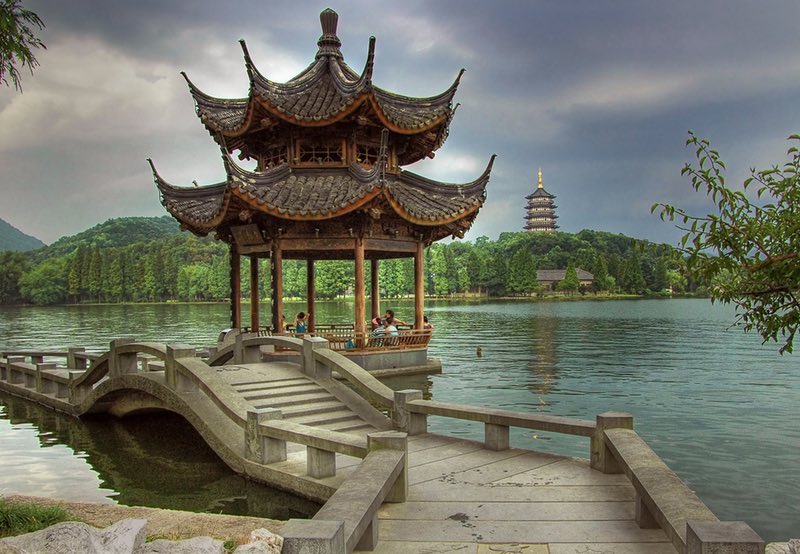
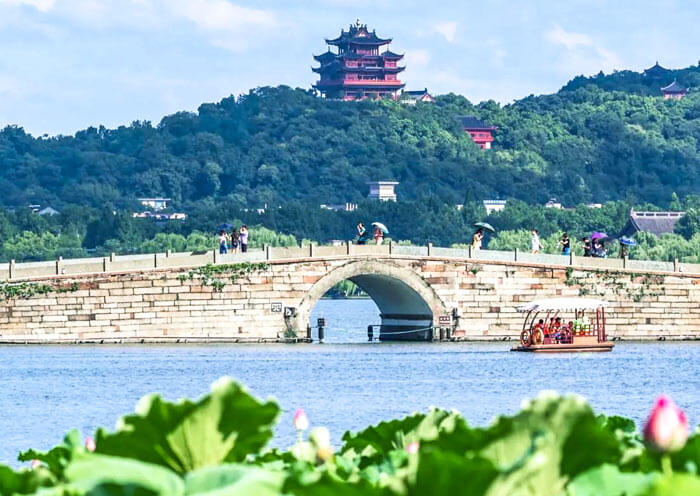
Admire the ten scenes of West Lake first formed during the Southern Song Dynasty (1127 A.D. – 1279 A.D. Spend your evening wandering the Southern song imperial street.
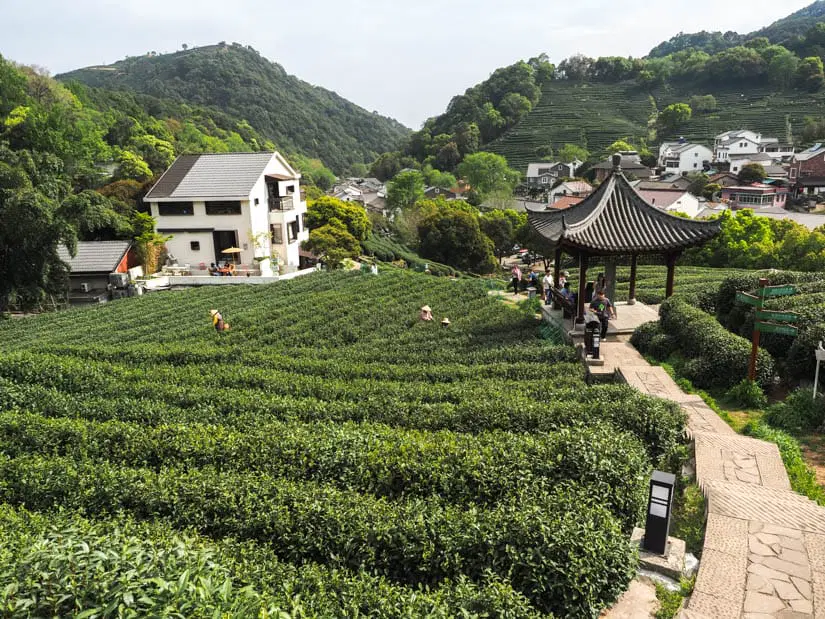
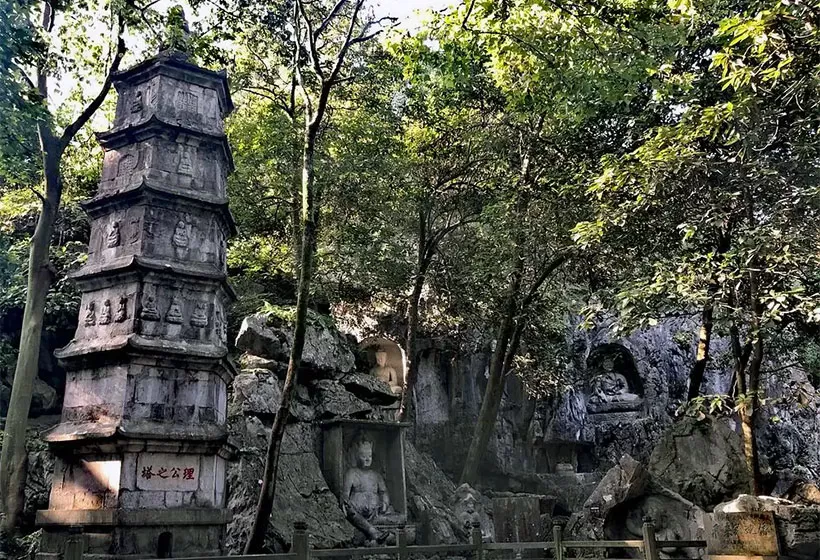
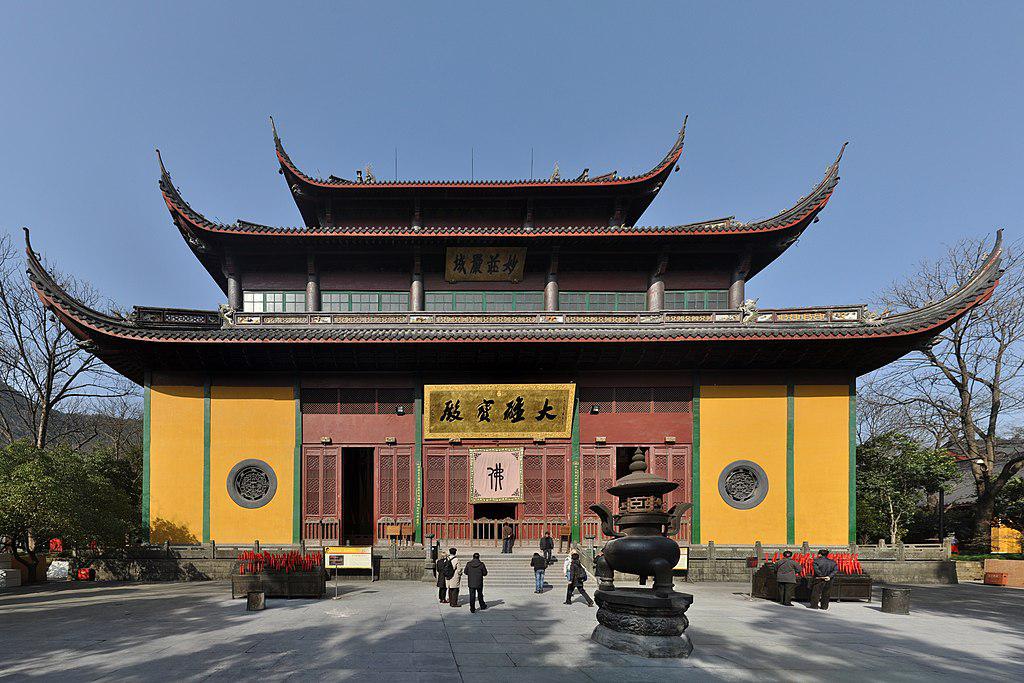
Hike along the spine of the hills in Longjing Tea Village. Across to the neighbouring hill, explore Lingyin Temple and Felai Grottoes which showcase ancient traces of Buddhist heritage. Spend your even along the Grand Canal which once spanned as far as Beijing. neighborhood with narrow lanes and local snacks.
Mount Huangshan
Widely regarded as China’s most iconic mountain — a bold claim in a country defined by legendary peaks — Huangshan holds a near-mythic status among domestic travellers and has long been considered a cultural rite of passage. It is celebrated for its Four Wonders: wind-shaped pines, fantastical granite formations, an ever-shifting sea of clouds, and secluded hot springs. The mountain’s drifting mists and stark verticality have influenced centuries of Chinese landscape painting, shaping the visual language of mountain scenery across the nation.
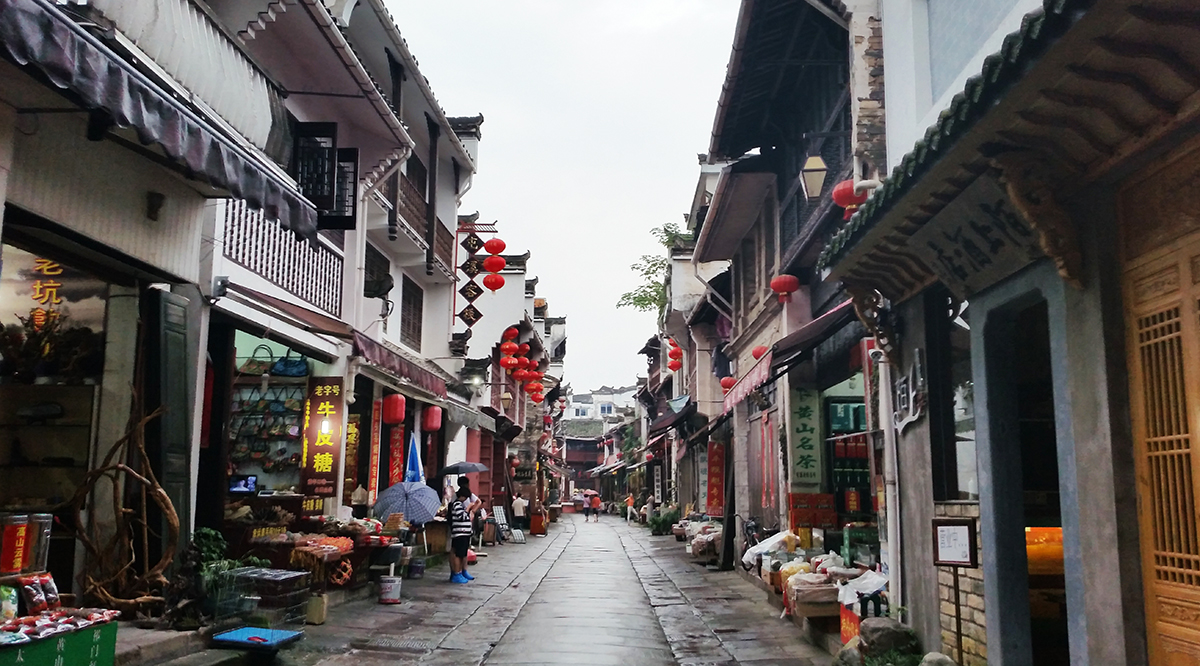
Arrive in Huangshan and settle into your hotel before an evening stroll through Tunxi Old Street, where Ming- and Qing-era architecture, ink shops, and tea houses offer a gentle introduction to the region’s cultural heritage.
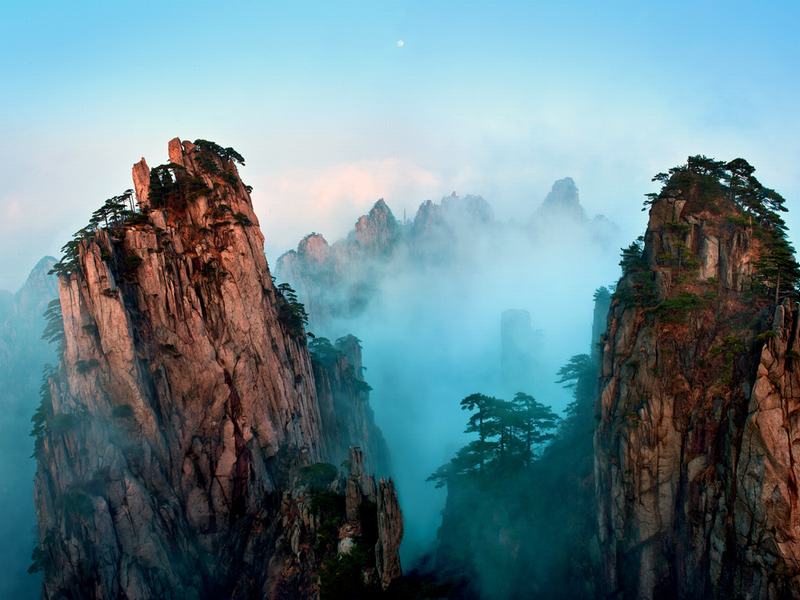
Transfer to Mount Huangshan for a full day among its granite peaks. As the day visitors descend, continue upward to check into your hotel atop the mountain, where dusk settles quietly over the ridgelines.
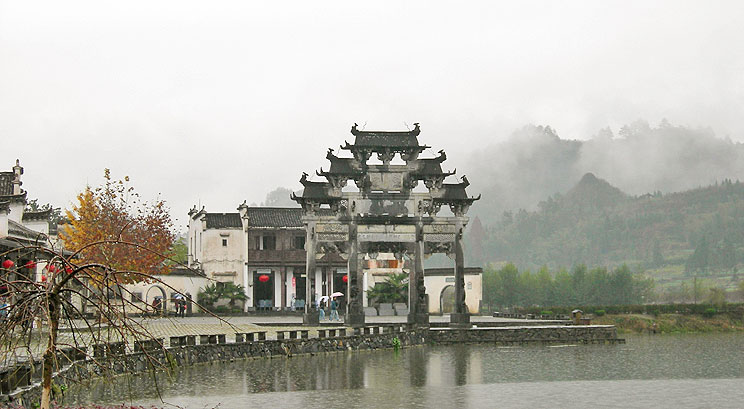
Rise early to witness sunrise illuminating Huangshan’s sea of clouds before descending through scenic trails toward the foothills. En route, visit Xidi Ancient Village, a UNESCO-listed settlement of ancestral halls, carved stone gateways, and Huizhou architecture, then return to Huangshan City for the evening.
Chongqing
From poetic peaks to cinematic scale, Chongqing clings to cliffs above the confluence of the Yangtze and Jialing Rivers. High-rises stack into the hillsides, bridges arc across gorges, and river fog coils between towers — a megacity shaped by terrain rather than imposed upon it. Here, mountain and metropolis share the same foundation.
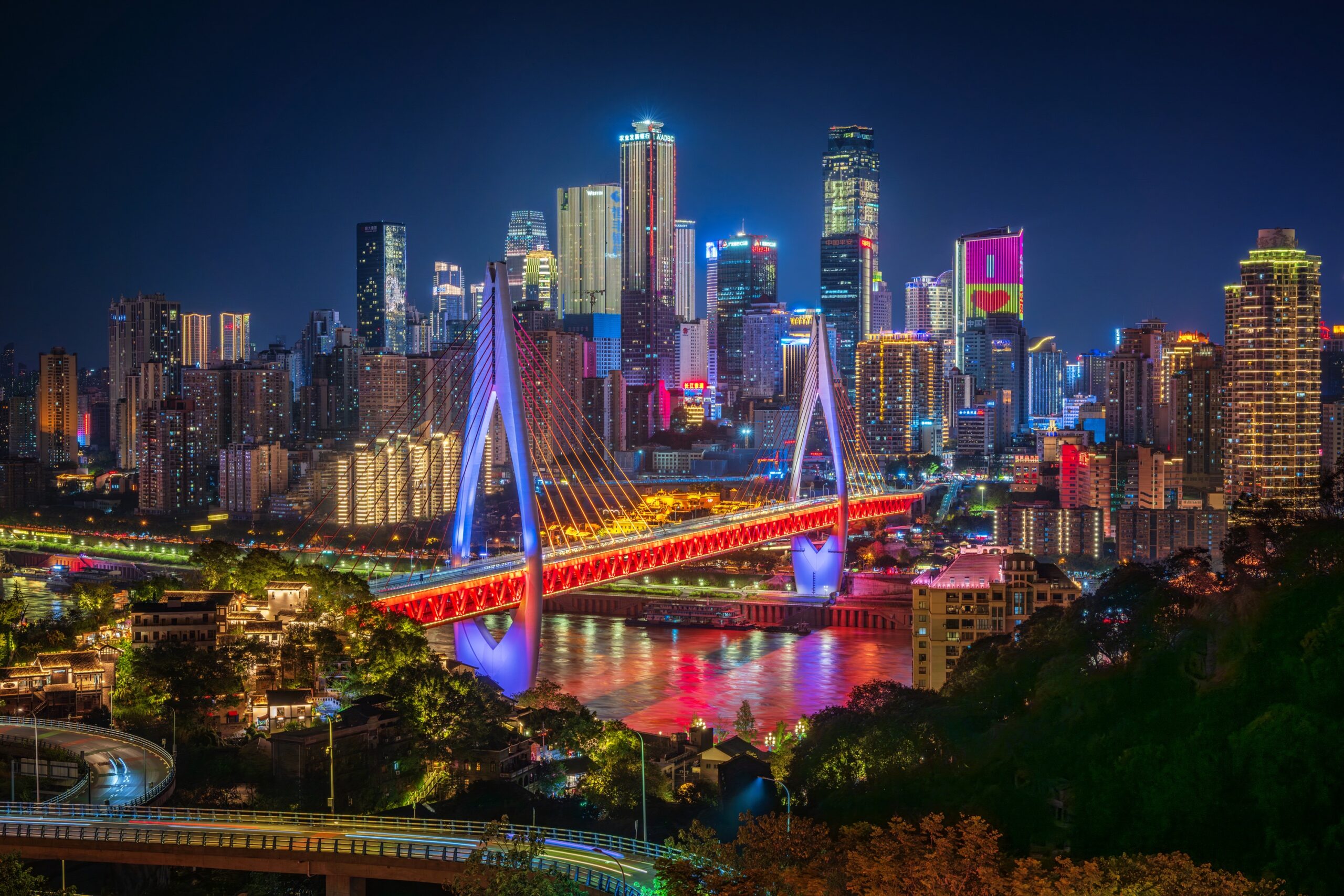
Travel by high-speed rail back to Hangzhou, then fly onward to Chongqing, the dramatic mountain metropolis at the confluence of the Yangtze and Jialing Rivers. Settle into your hotel before an evening urban exploration, where illuminated bridges and cliff-side skylines reveal the city’s cinematic scale.
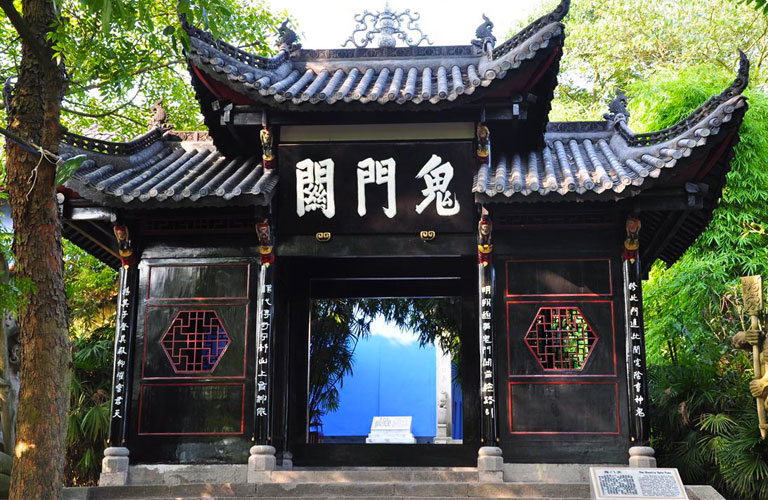
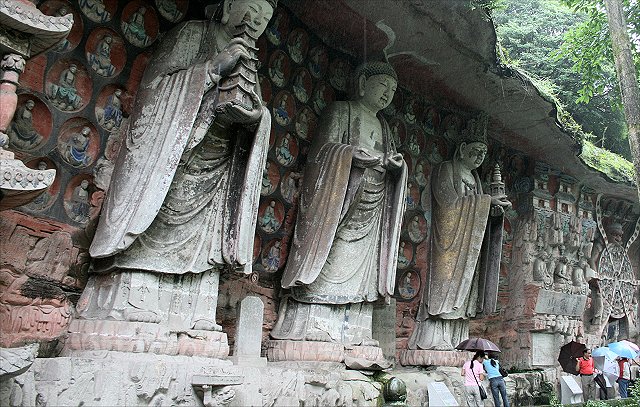
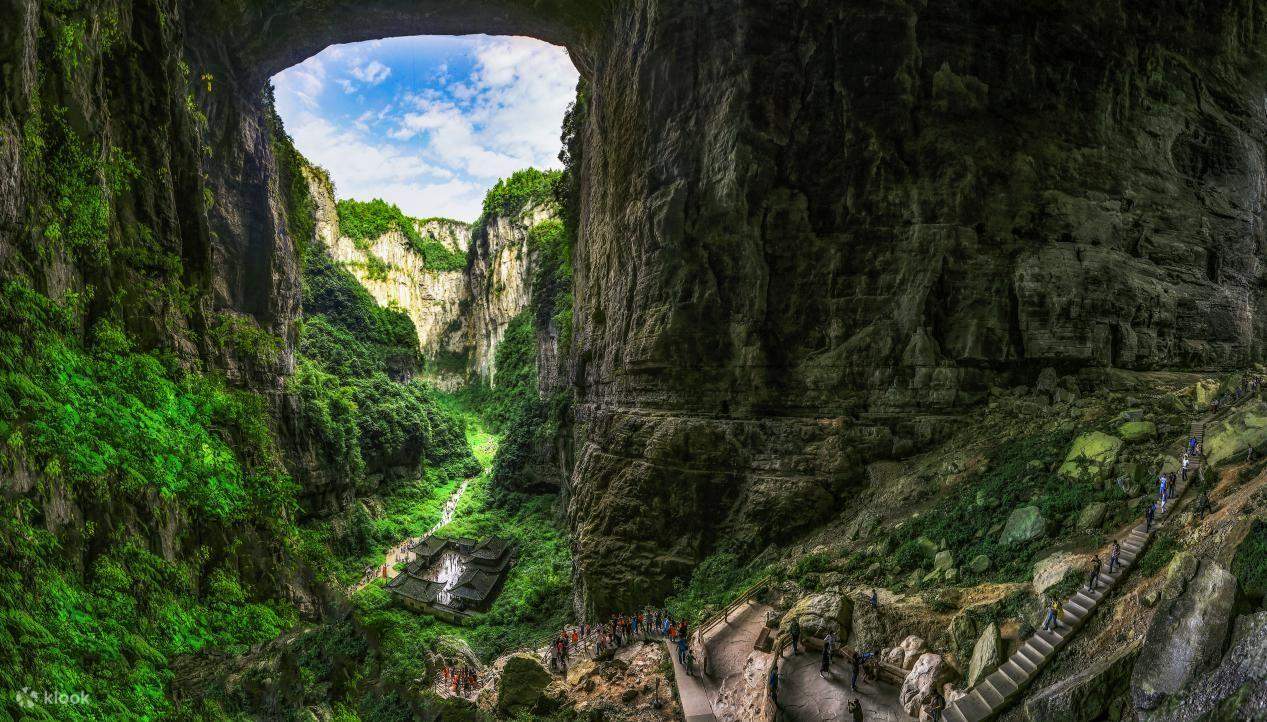
Choose from a curated excursion: the cliff-carved afterlife sculptures of Fengdu Ghost City, the monumental stone artistry of the Dazu Rock Carvings (UNESCO-listed), or the vast limestone arches of the Three Natural Bridges, a landscape of epic geological theatre.
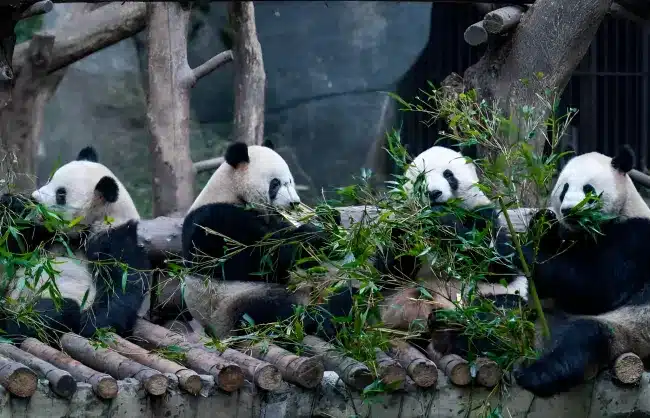
Visit Chongqing Zoo, home to China’s beloved giant pandas and red pandas, followed by free time a to explore the city’s layered neighborhoods. In the evening, embark on a Yangtze River night cruise, where neon-lit bridges and tiered skylines glow against the mountain-dark horizon.
Chengdu & Jiuzhaigou
The pace eases again in Chengdu, basin-bound and culturally assured. The capital of Sichuan Province, known for its fiery foods contrastingly features teahouses, bamboo groves, and temple courtyards which offer a gentle expression of landscape. It is a place where nature and daily life meet without ceremony. Beyond the basin, altitude transforms the palette. In Jiuzhaigou, glacial lakes glow in layered blues and forests frame waterfalls that descend like silk against stone. It feels less like a park than a living scroll, vast yet hushed.
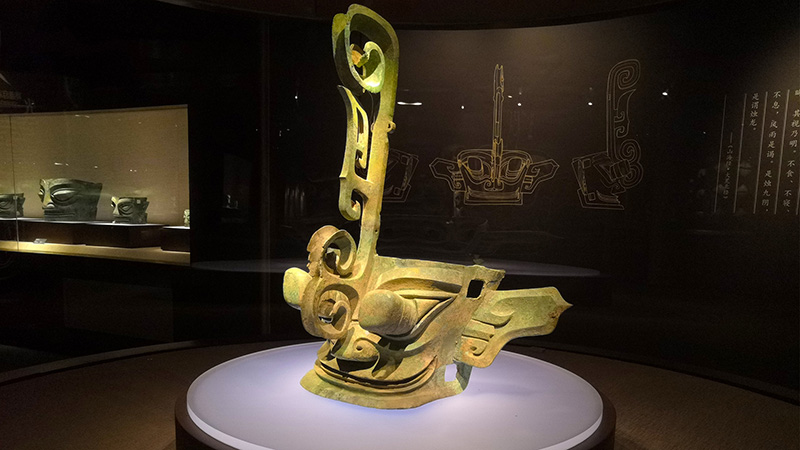
Arrive in Chengdu and settle into your hotel before visiting the remarkable Sanxingdui Museum, where enigmatic bronze masks and ritual relics reveal a sophisticated civilisation that flourished over 3,000 years ago — distinct, mysterious, and unlike any other in early China.
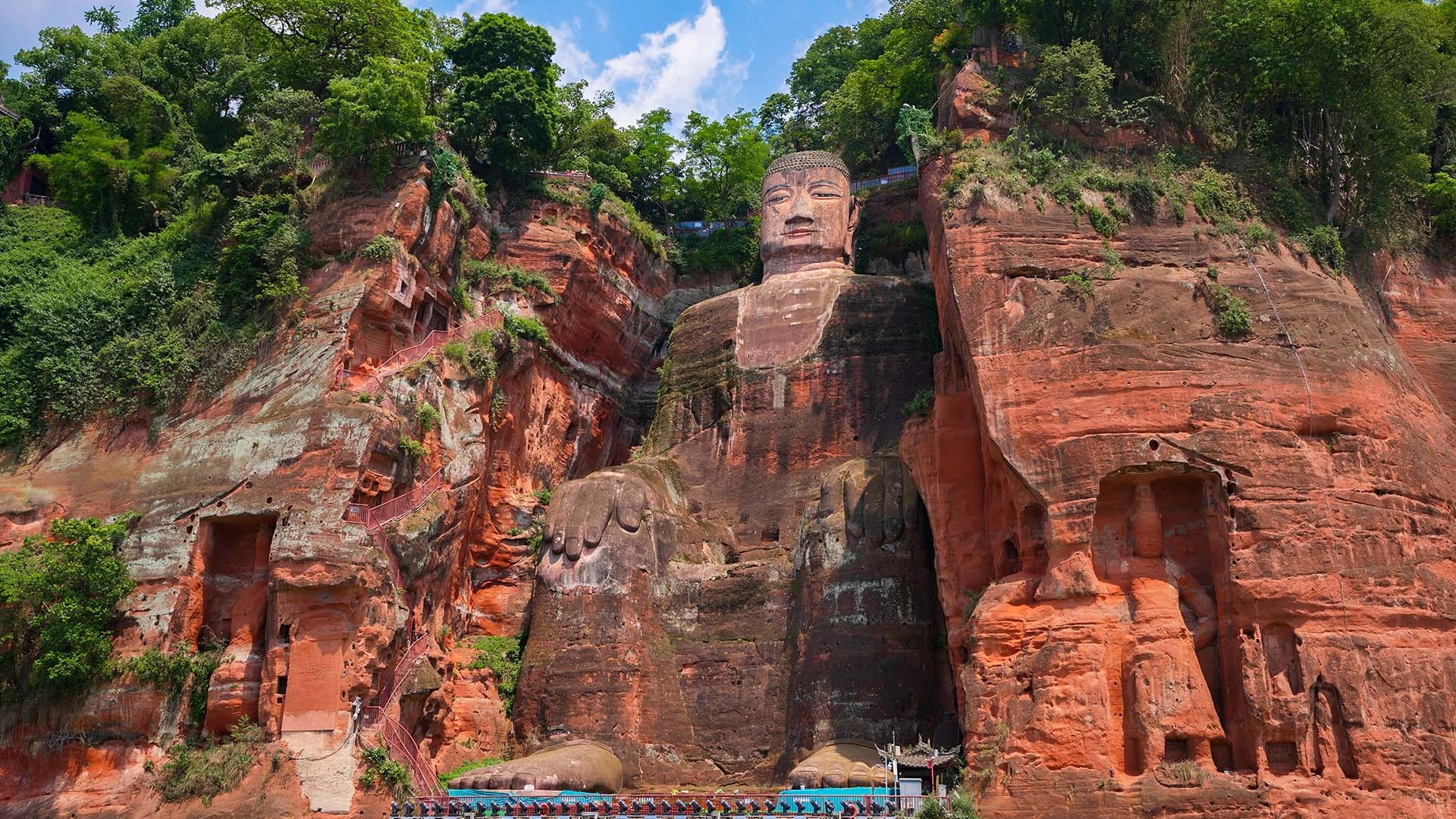
Travel to Leshan to stand before the Giant Buddha, a serene 71-metre stone figure carved into a river cliff during the Tang Dynasty, created to calm turbulent waters below.
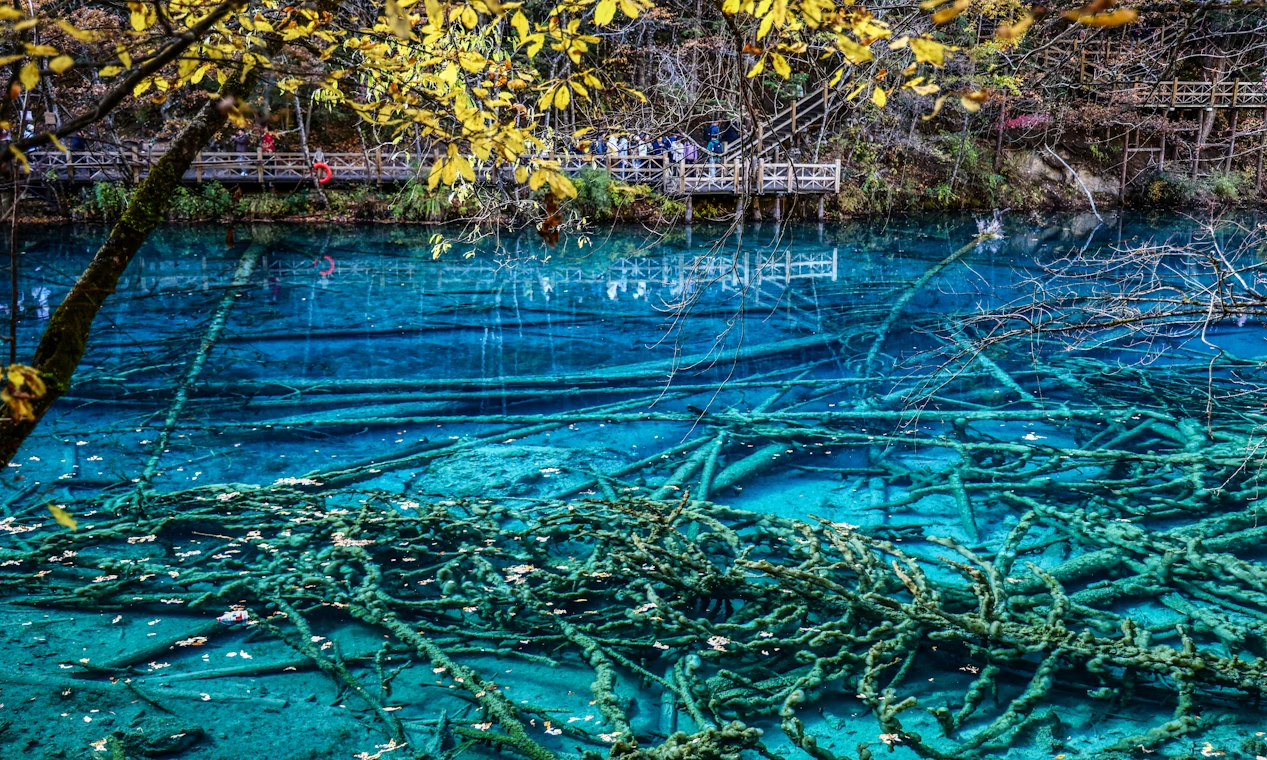
Board a scenic bullet train north toward the Tibetan Plateau followed by a drive, arriving in Jiuzhaigou and settling into your hotel. Acclimatise to the altitude and enjoy the surrounding scenery and spa facilties.
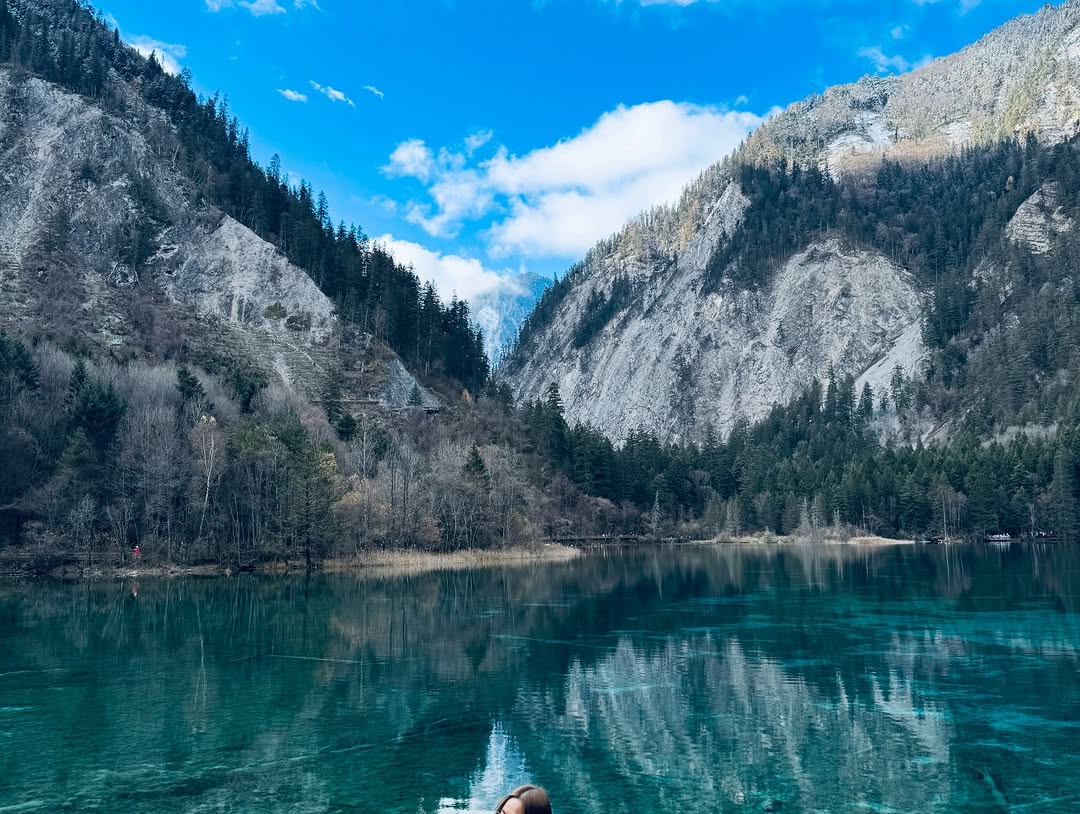
Spend the day deliberately keeping to quieter paths. Begin the morning in Shuzheng Valley, then pause for a relaxed buffet lunch at the visitor centre. As the crowds thin in the afternoon, continue into Rize Valley, where serene icons such as Five Flower Lake and Mirror Lake reside.
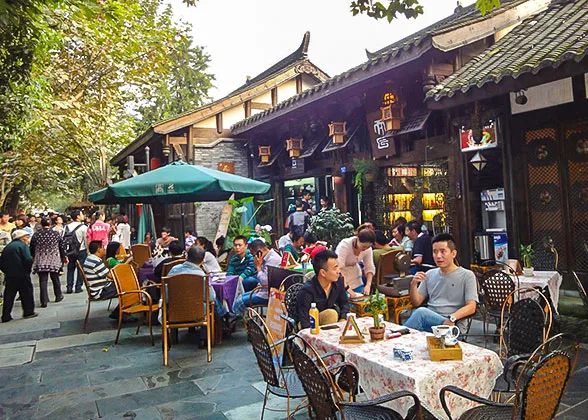
Travel back to Chengdu by high-speed train and settle into your hotel. In the evening, wander through Kuanzhai Alley, where restored Qing-era courtyards now house teahouses, boutiques, and atmospheric dining spaces.
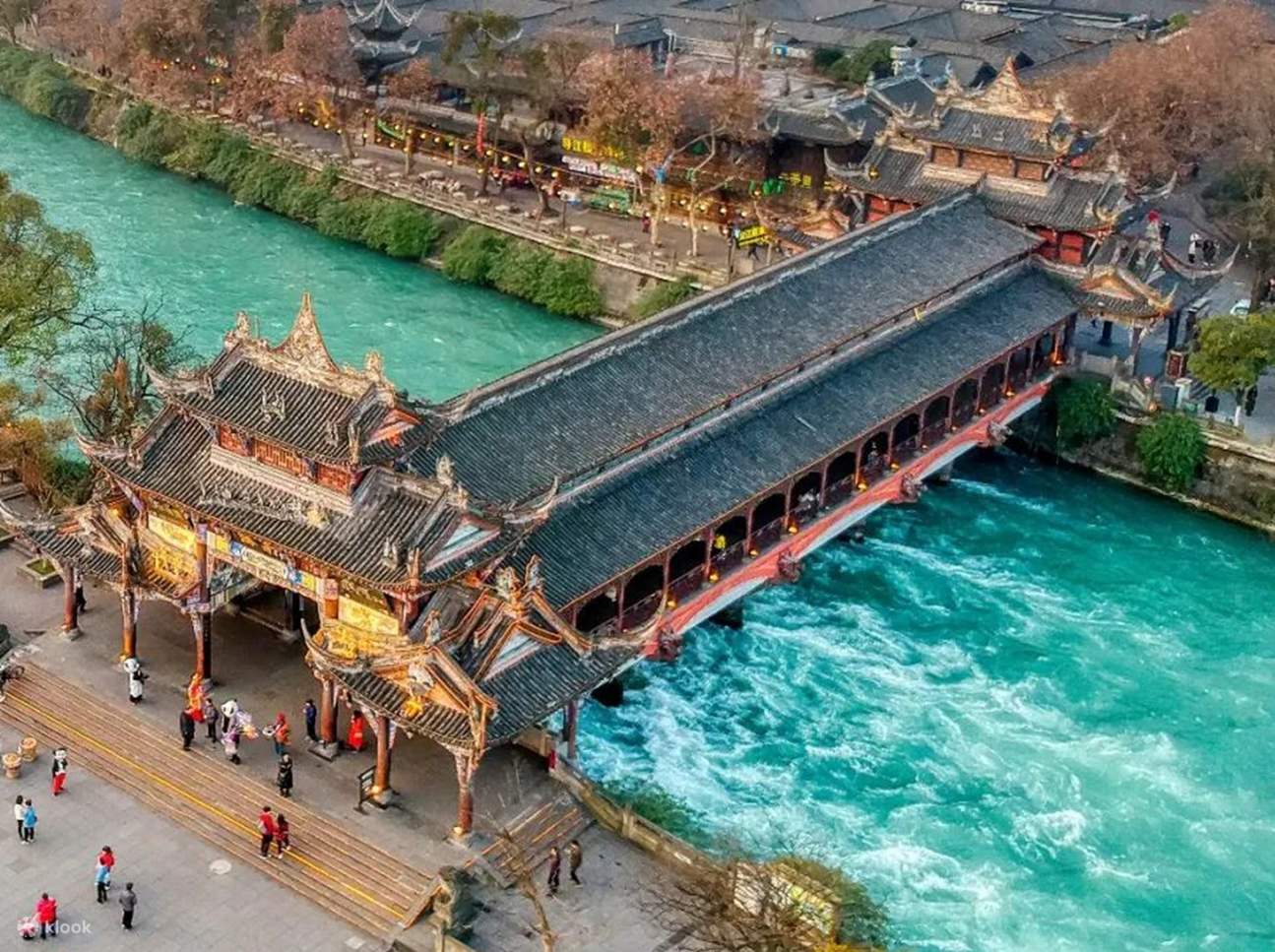
Take a day trip to Dujiangyan, a UNESCO-listed engineering masterpiece built over 2,000 years ago that still regulates the Min River without the use of a dam. Stone channels, ancient temples, and forested hillsides frame a site where human ingenuity and natural geography work in enduring balance.
Guilin & Yangshuo
The emblematic scenes of Guilin & Yangshuo are immortalised on China’s 20 RMB note, a symbol of the nation’s natural heritage and timeless rural life. The Li River winds through this elemental masterpiece, its waters punctuated by cormorant fishermen on bamboo rafts, practicing an age-old craft using trained birds to dive for fish. Verdant rice terraces fan across hillsides like living topographic lines; an embllishment of agricultural ingenuity.
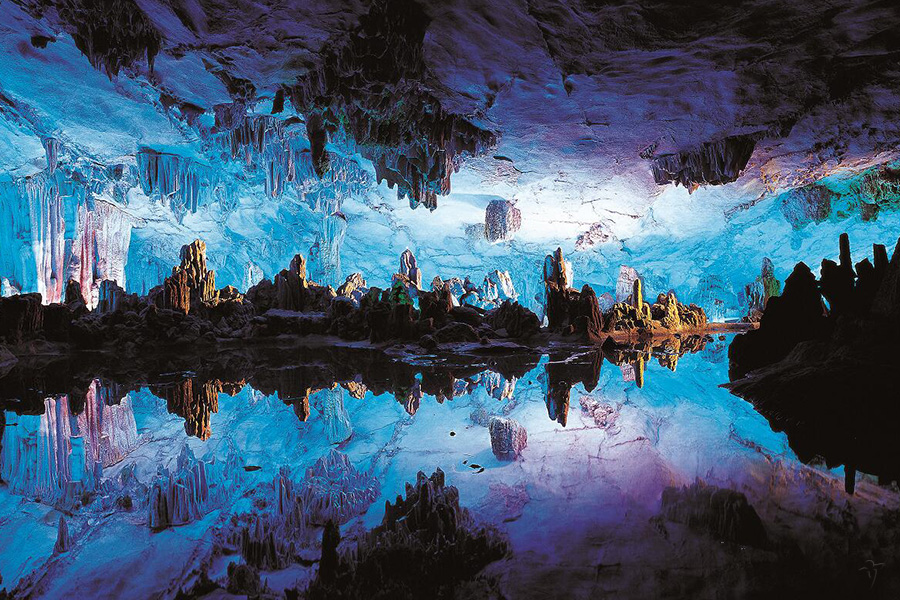
Arrive in Guilin and check into your hotel, then visit the Reed Flute Cave, a natural limestone wonder illuminated with multicoloured lights; a quiet subterranean counterpoint to the region’s outdoor grandeur.
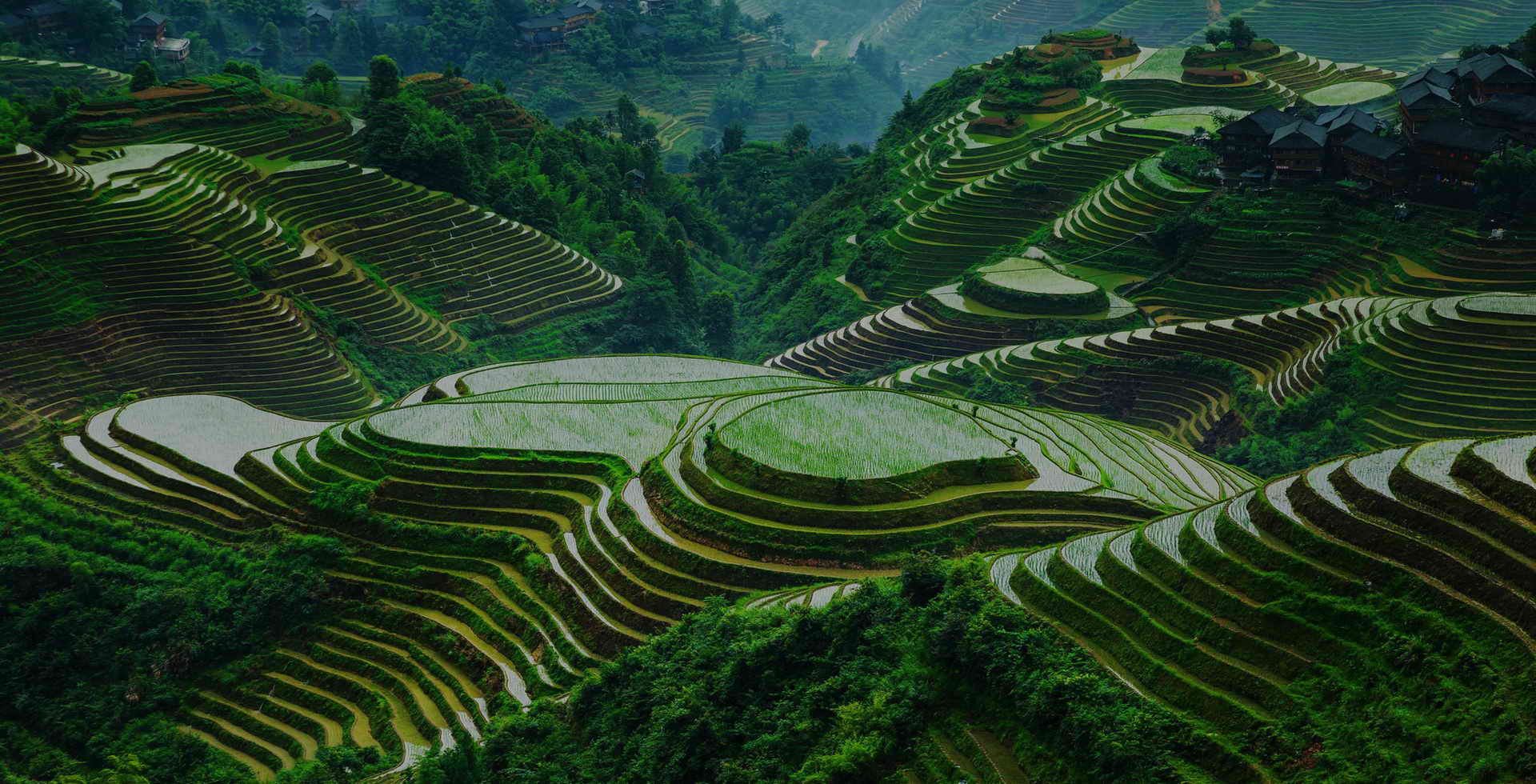
Take a day trip to the Longji Rice Terraces. Walk along terraces layered like living topographic lines, observe rural farming life, and appreciate how centuries of careful cultivation have transformed the hillsides into patterns that are both functional and poetic.
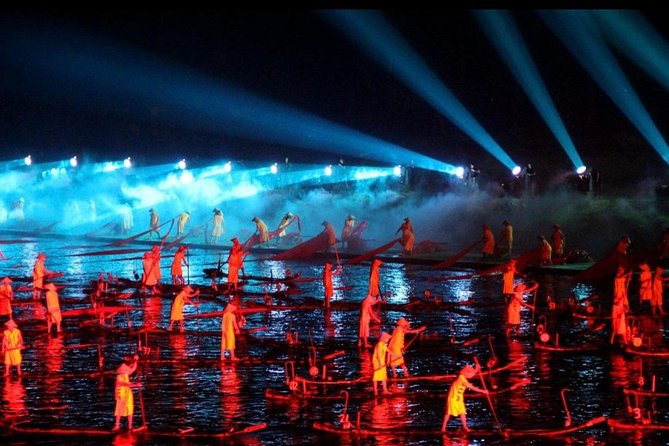
Depart at 7:30 AM for a scenic Li River cruise to Yangshuo. Gently stroll alongside the Ten Mile Gallery or traverse on a bike. Witness Impression Sanjie Liu, Zhang Yimou’s outdoor performance staged on the river itself, blending light, sound, and local culture against a natural backdrop.
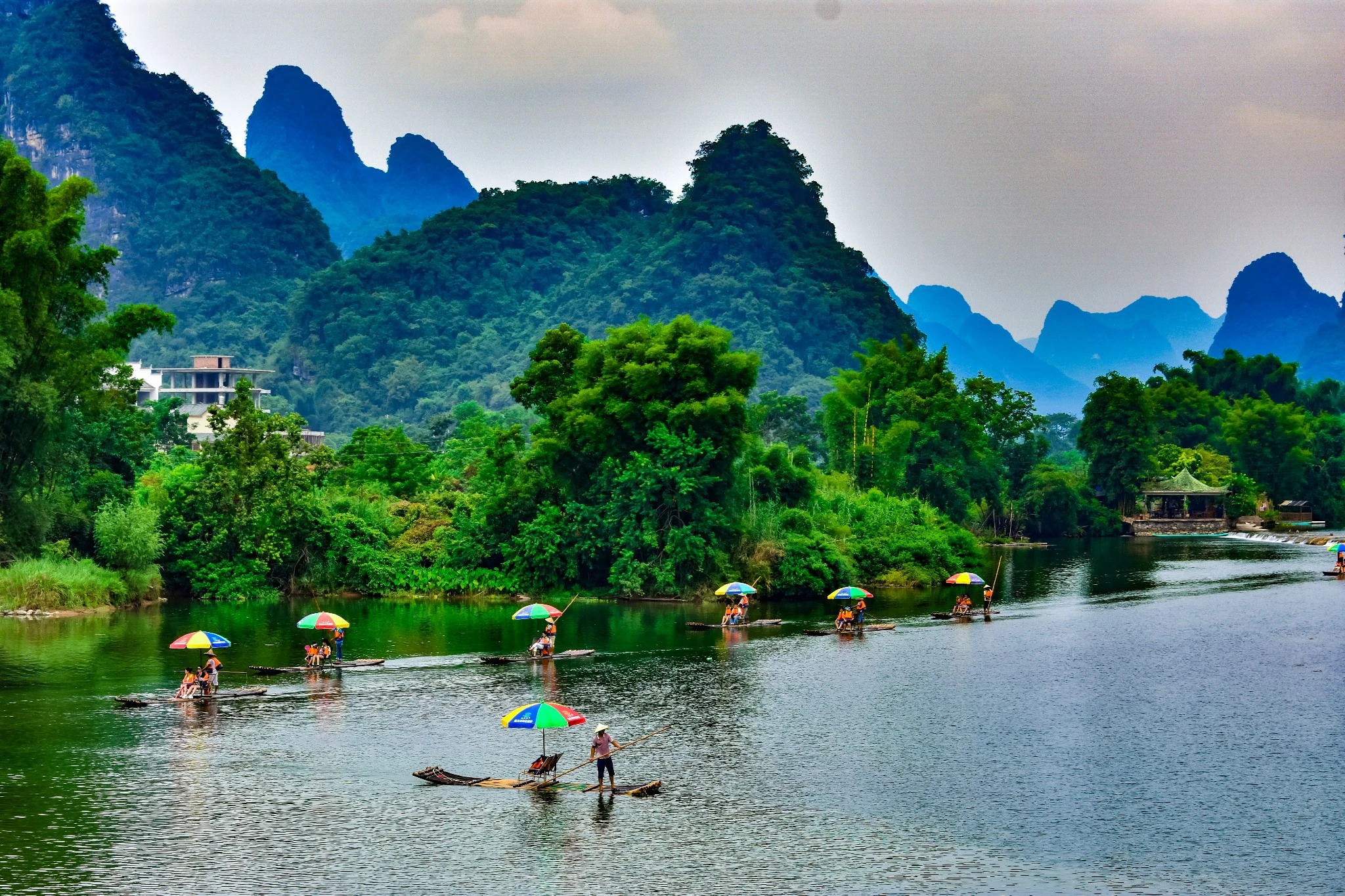
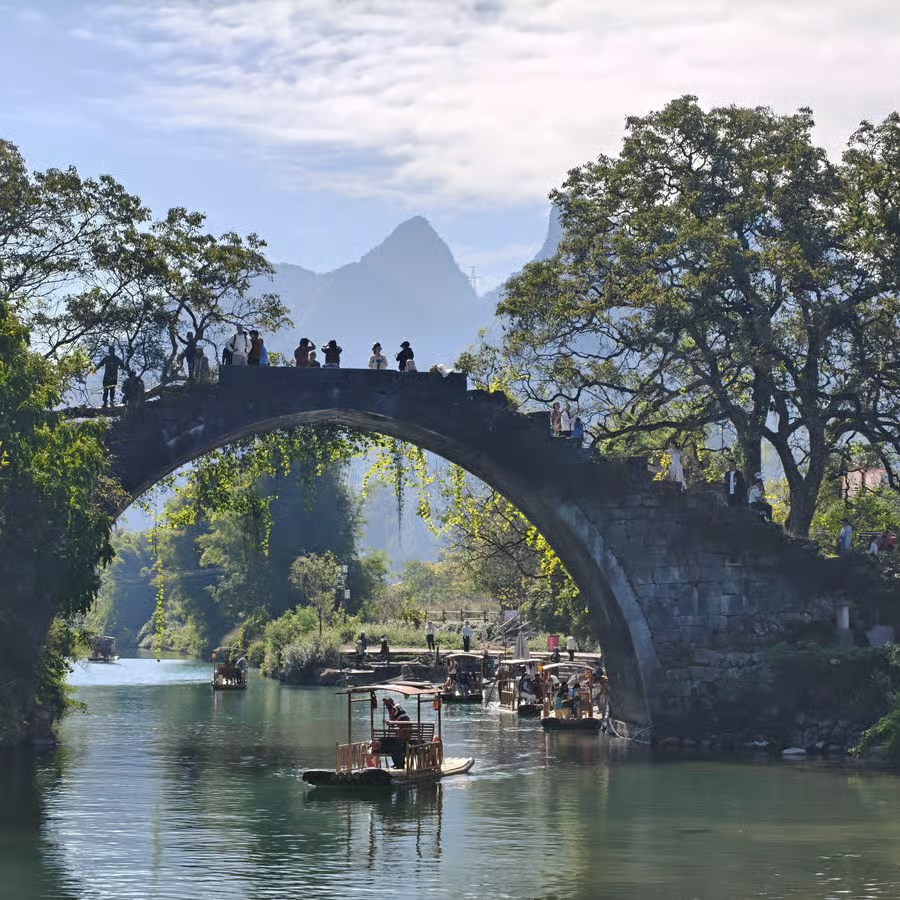
Explore Fuli Bridge and Moon Hill in the morning, a limestone arch rising above pastoral scenery. In the afternoon, enjoy a bamboo raft ride, gliding past riverside villages and verdant karst formations.
Return to Shanghai
A welcoming sight, the pace eases and the journey’s memories settle. Stroll along historic streets or gaze at the glowing skyline, letting the city’s contrasts awaken quiet reflection and a gentle longing for what has been seen and experienced.
Arrive in Shanghai and settle into your hotel. The rest of the day is free to explore at leisure, whether wandering the French Concession, visiting boutiques, or enjoying the hotel’s curated amenities. mysterious, and unlike any other in early China.
Conclude the journey with a farewell dinner and a Huangpu River cruise, watching Shanghai’s skyline illuminate against the night, a final cinematic reminder of the verticality and vitality that frame this modern metropolis.
Day 15
Conclude the journey with a farewell dinner and a Huangpu River cruise, watching Shanghai’s skyline illuminate against the night, a final cinematic reminder of the verticality and vitality that frame this modern metropolis.
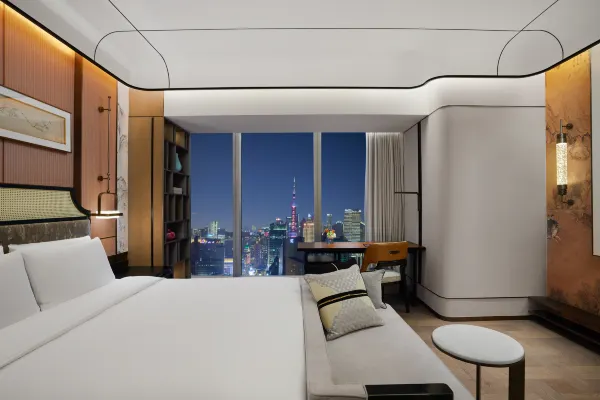
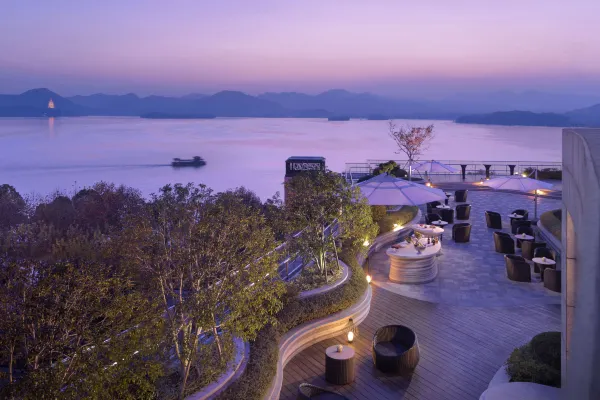
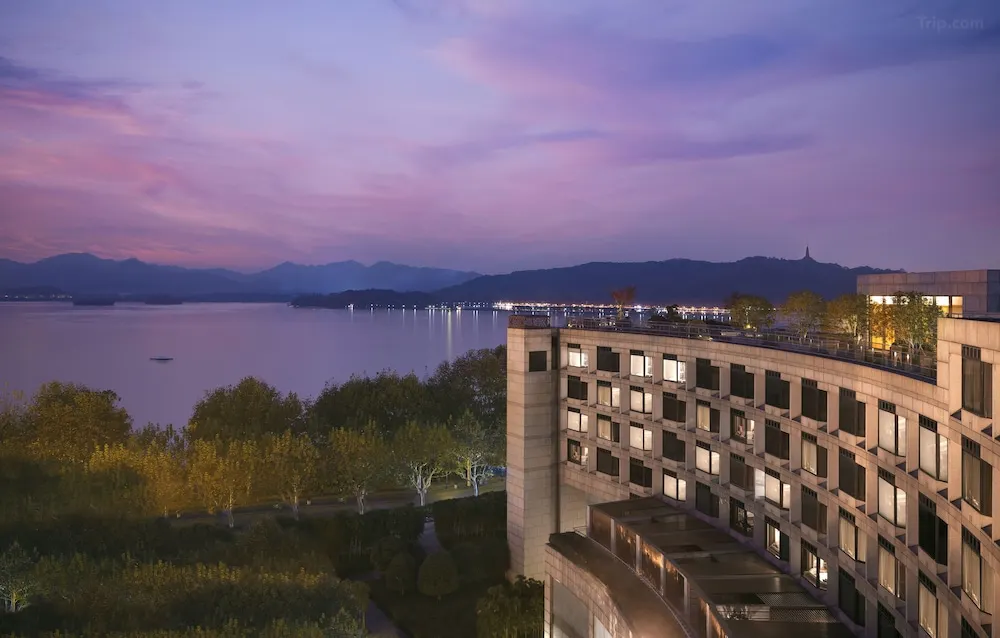
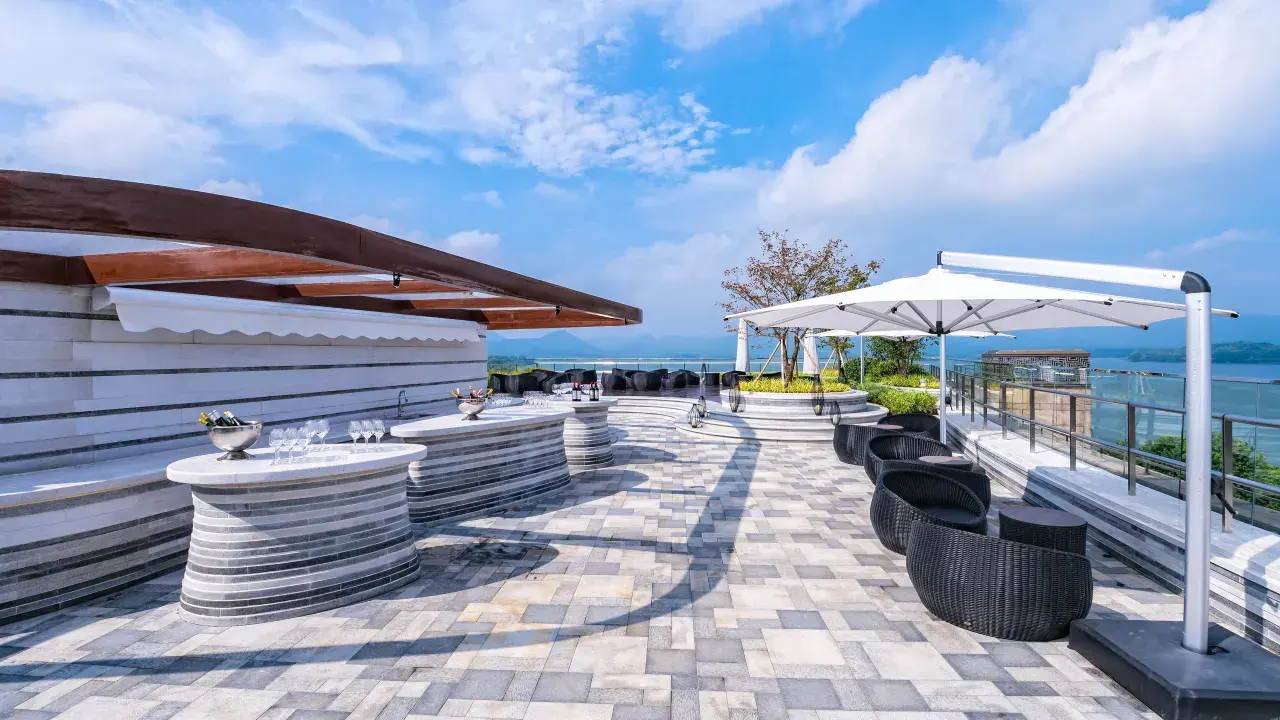
Accomodation
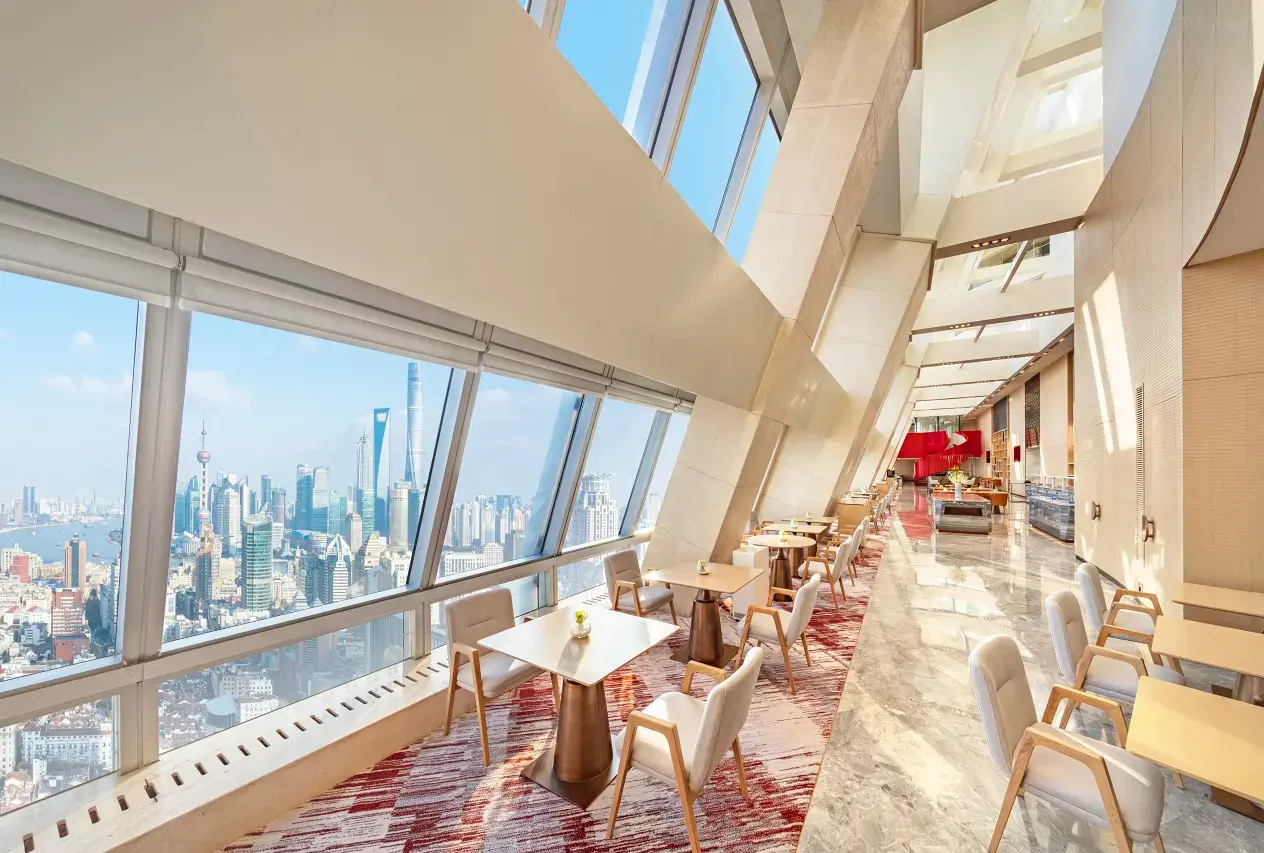
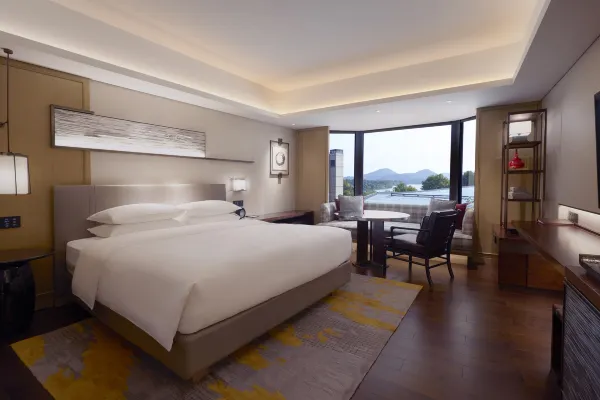
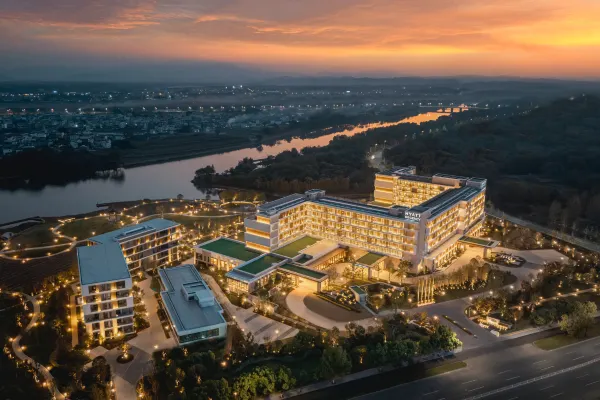
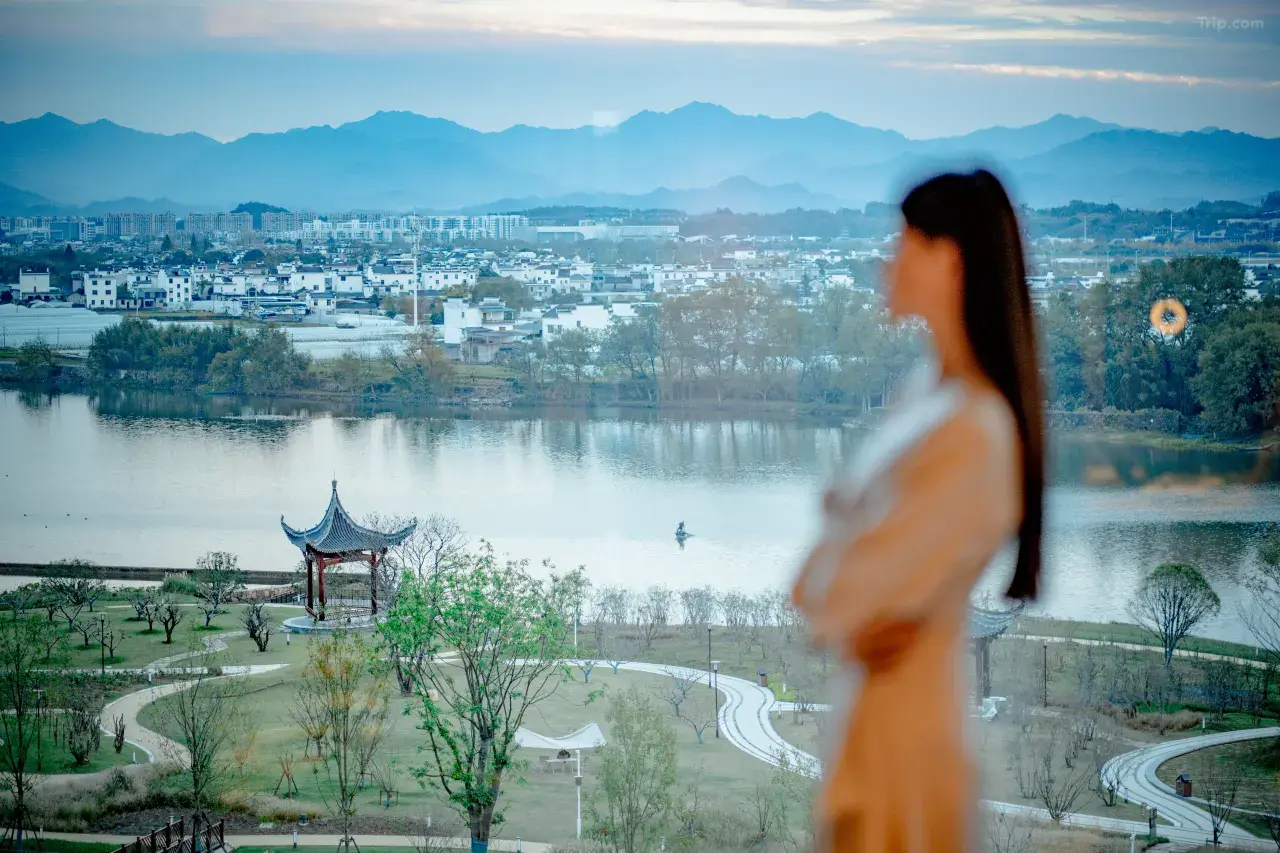
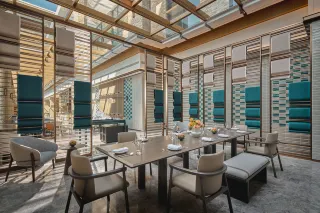
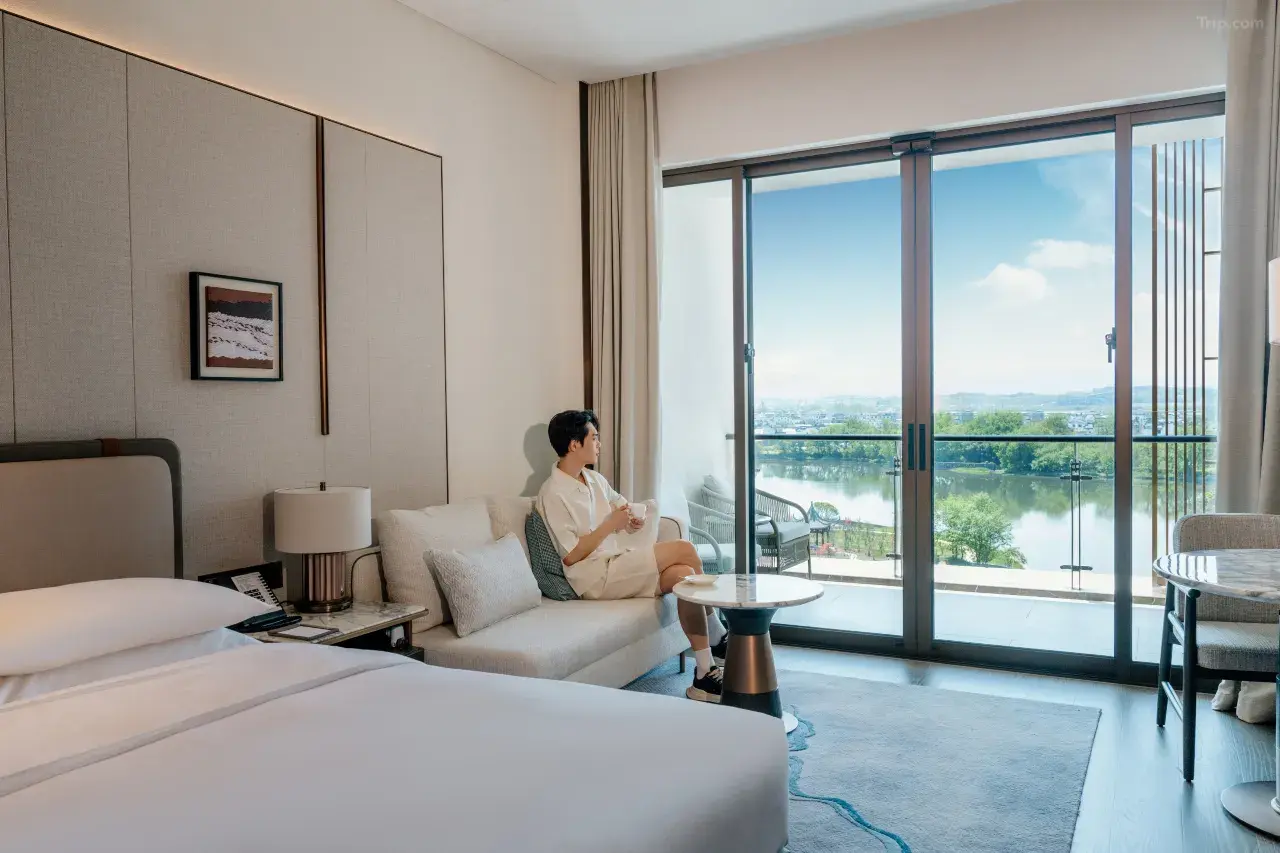
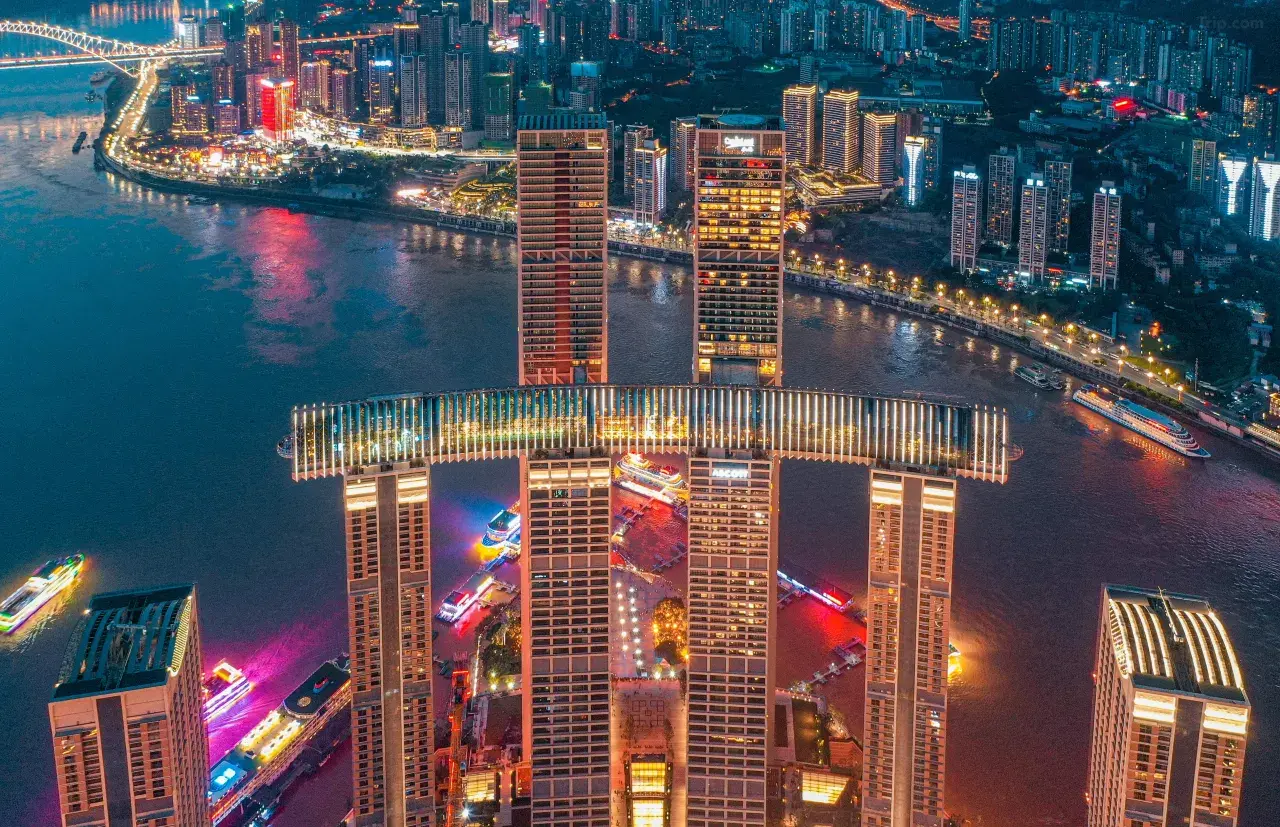
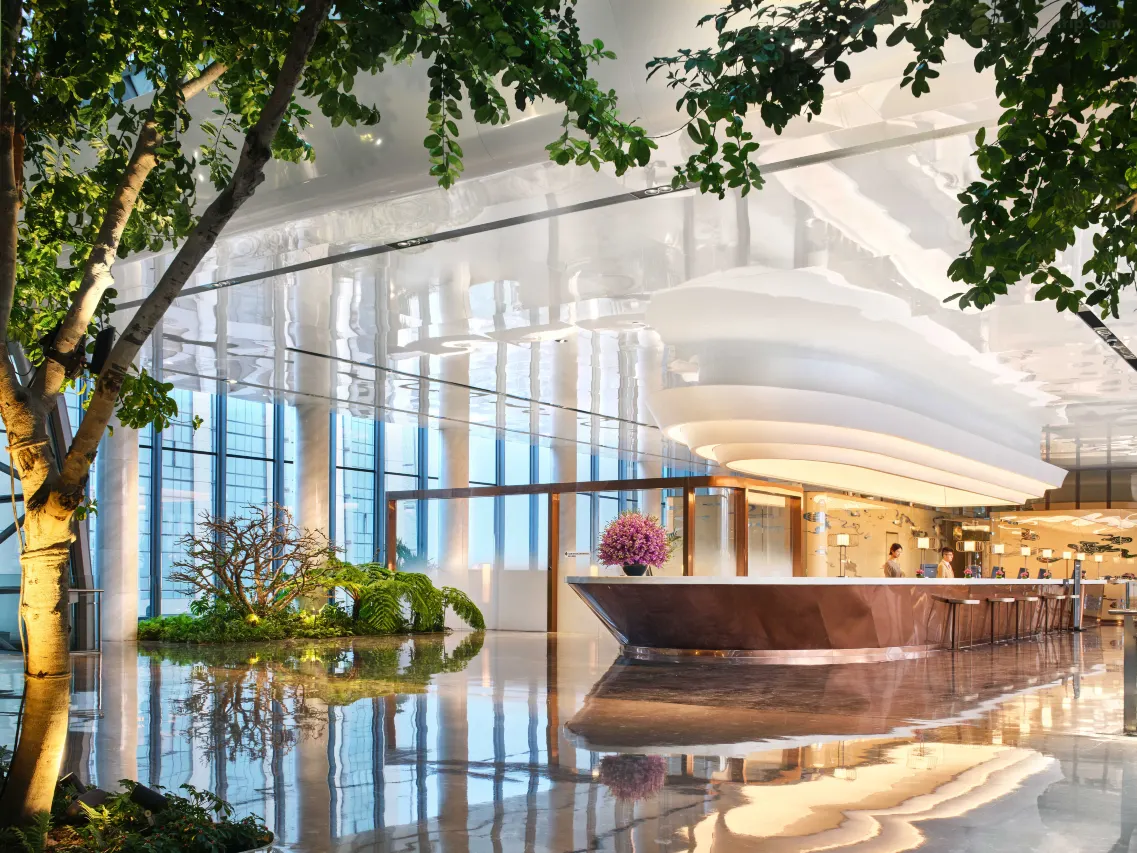
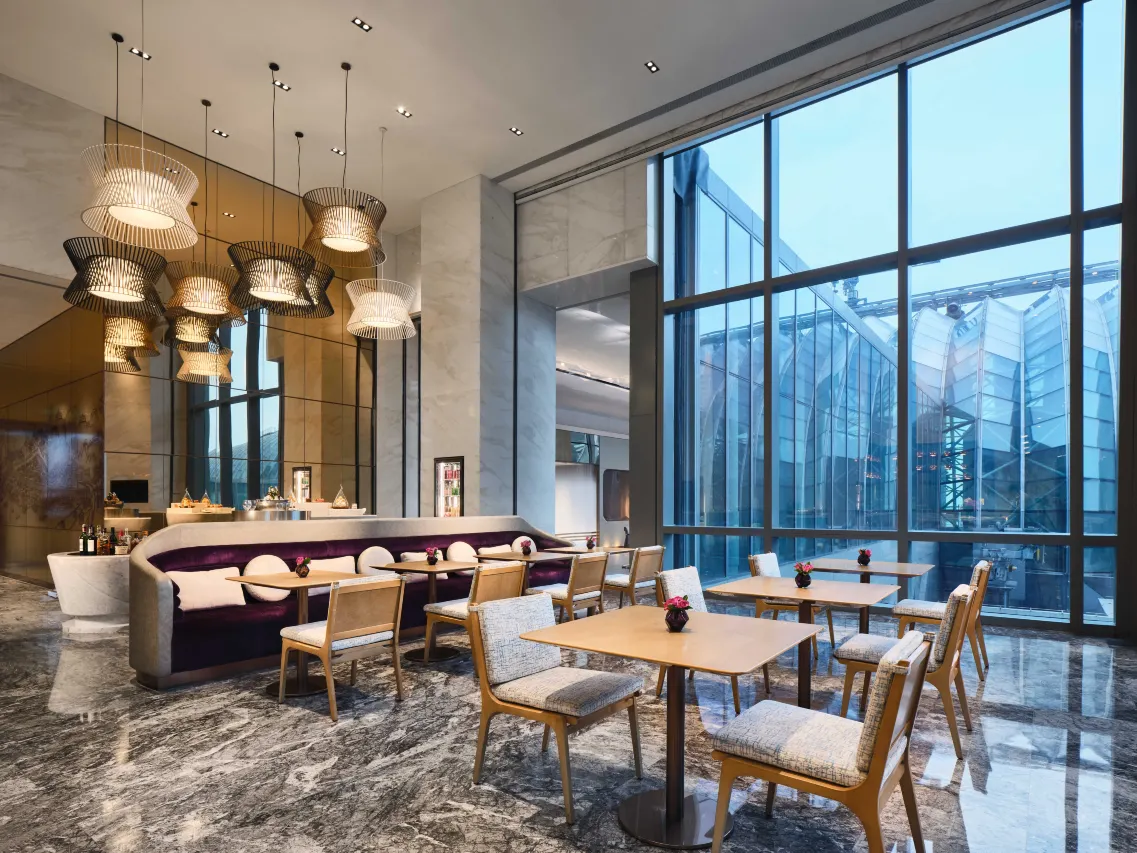
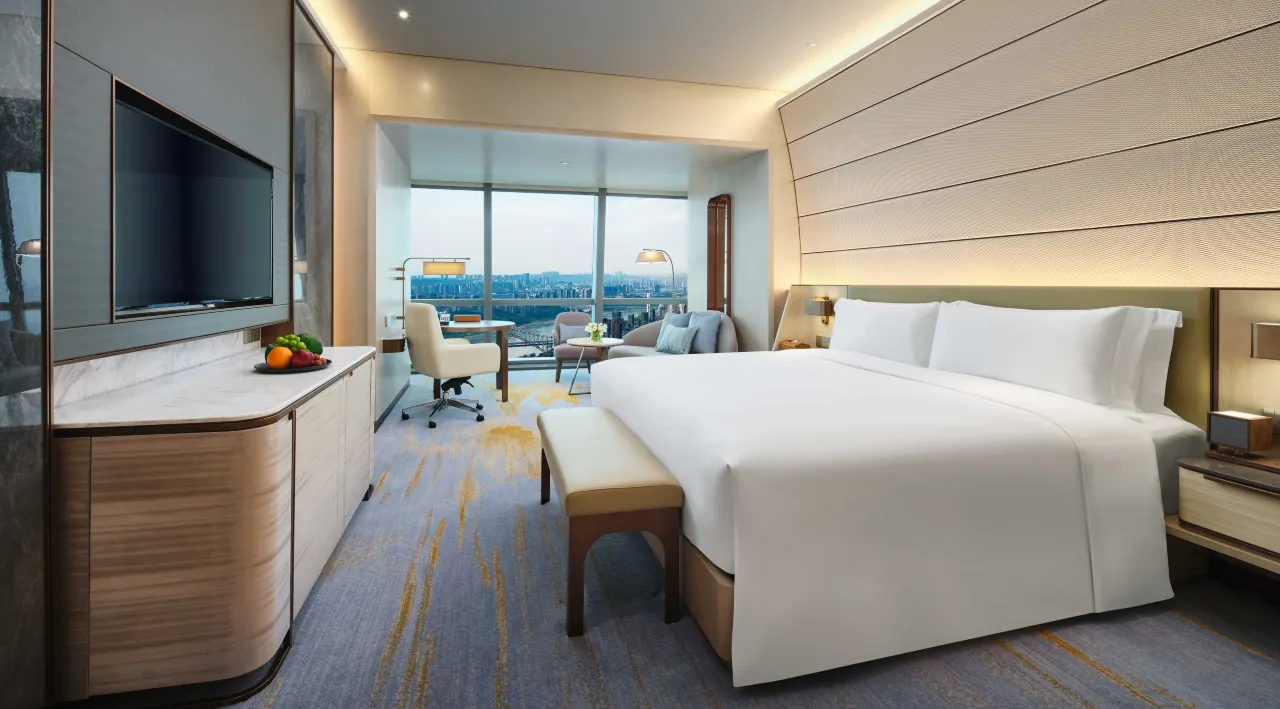
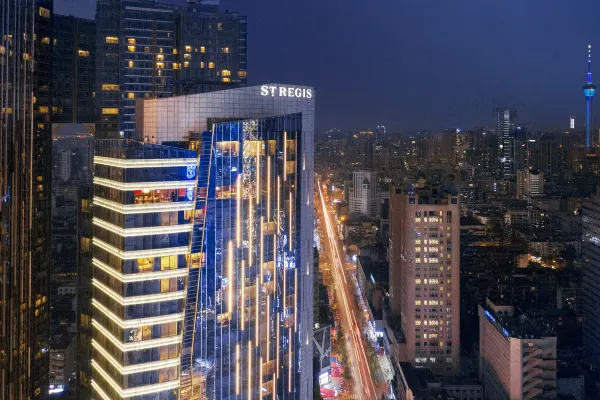
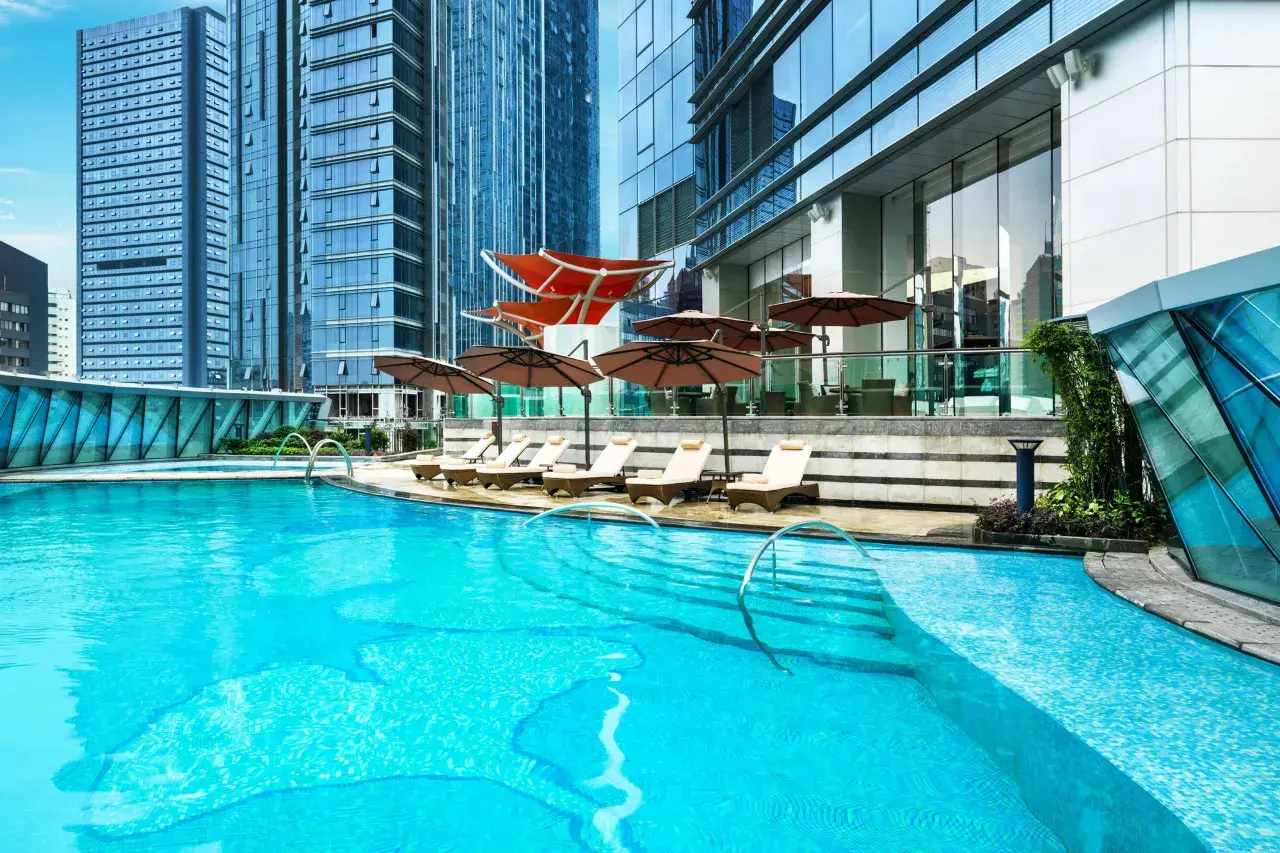
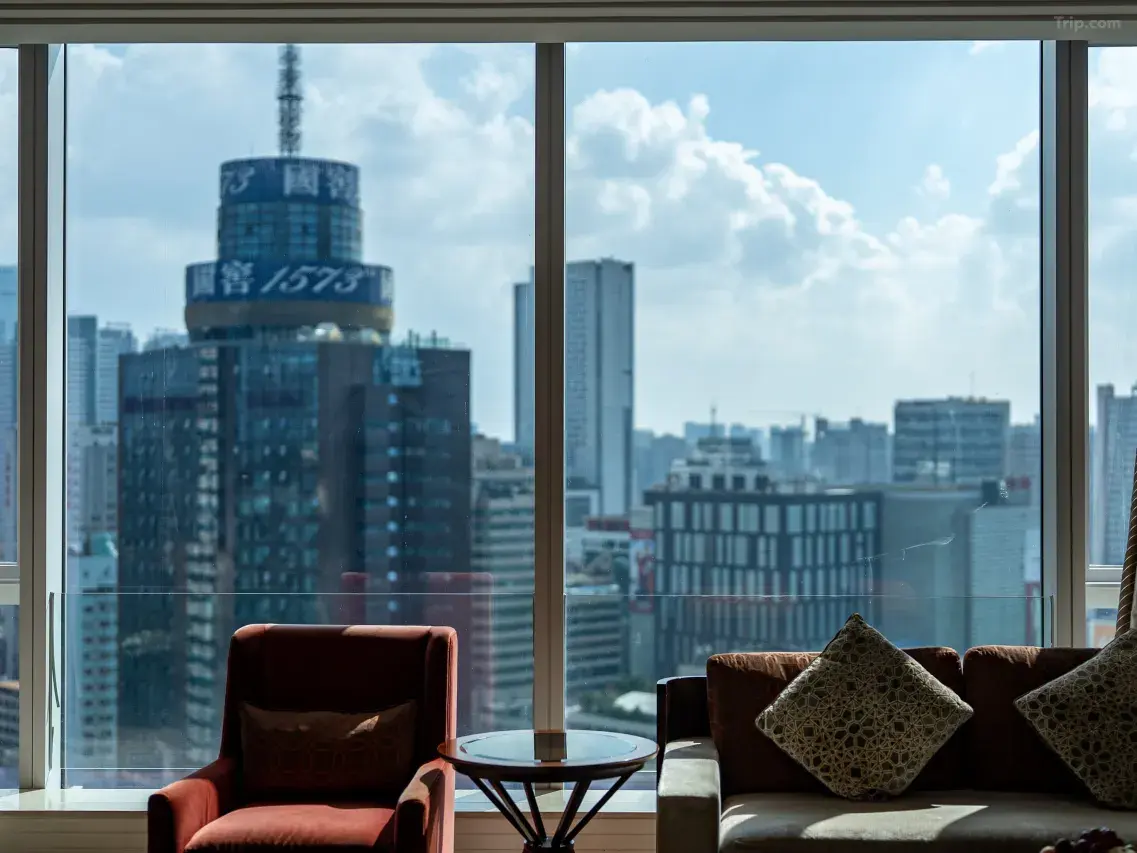
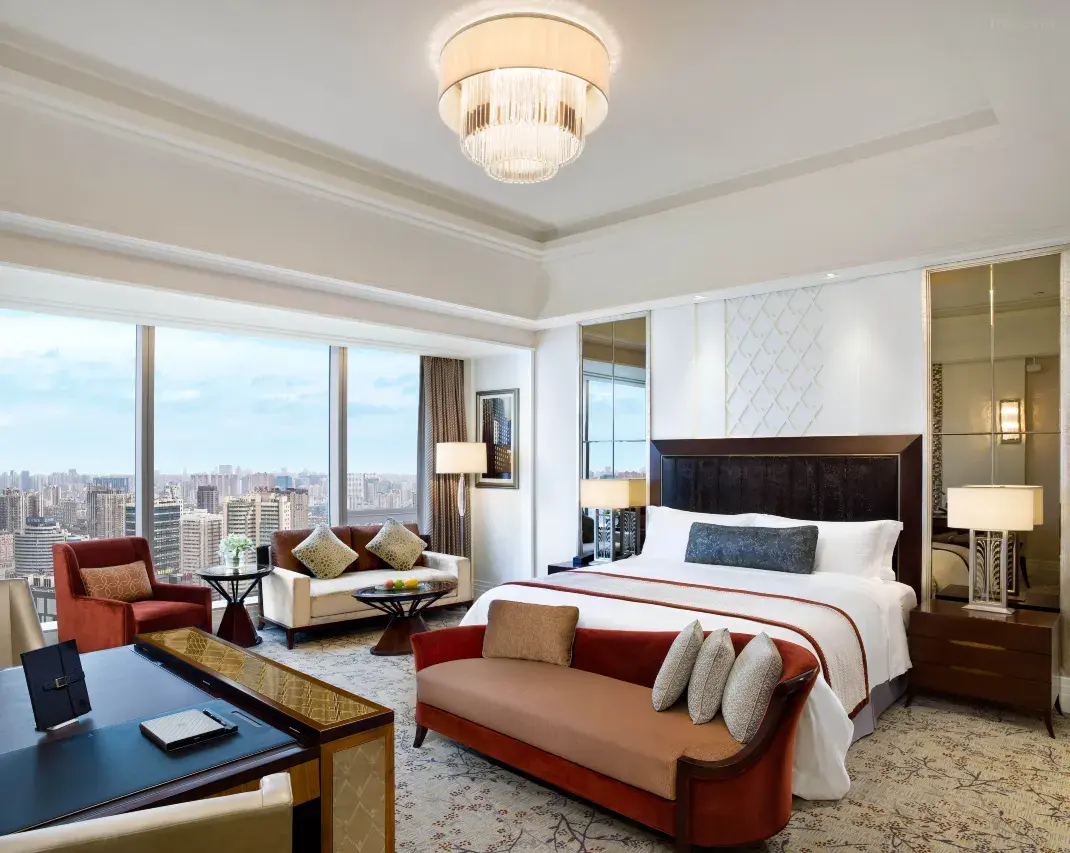
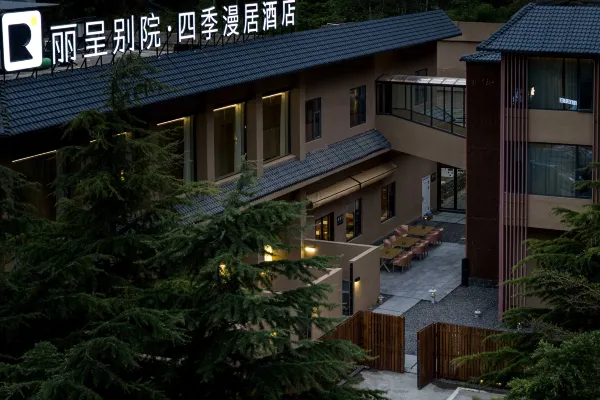
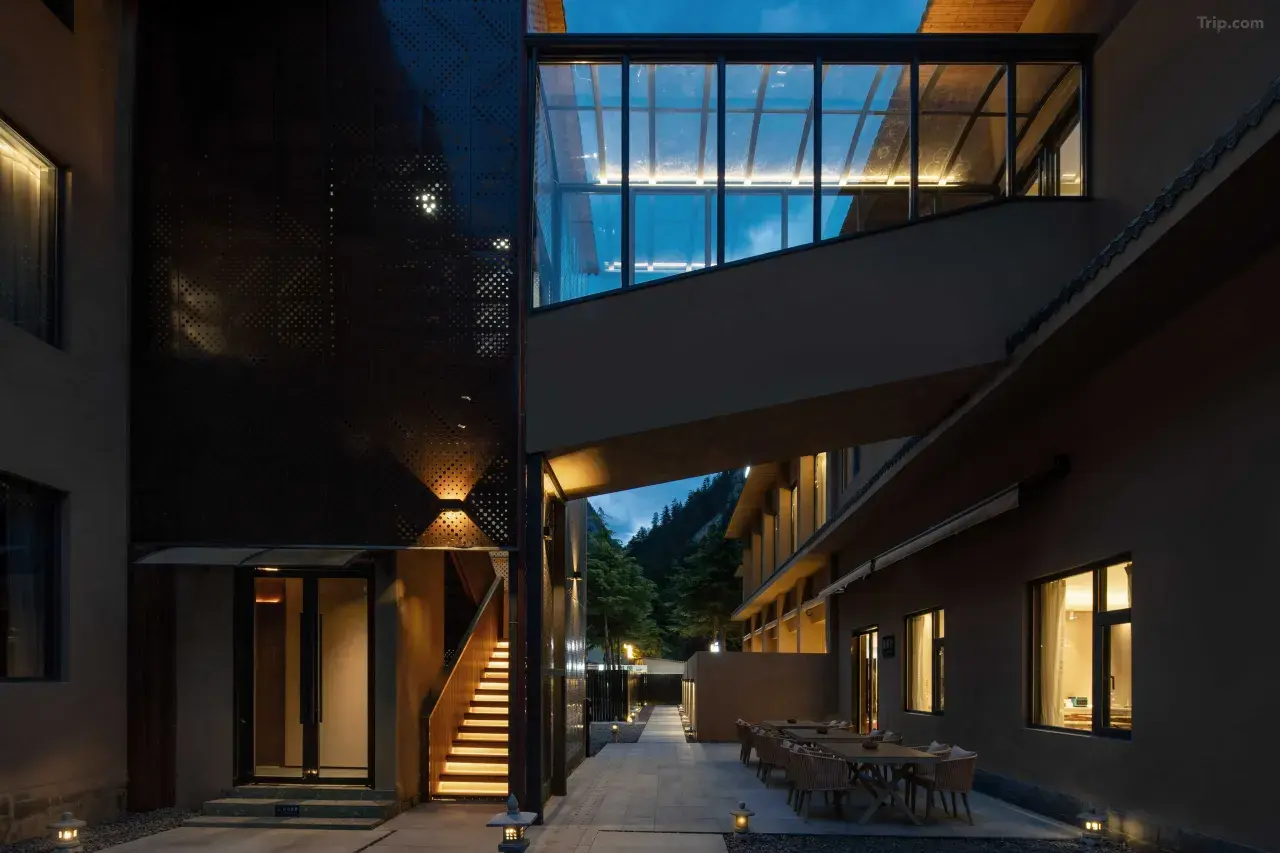
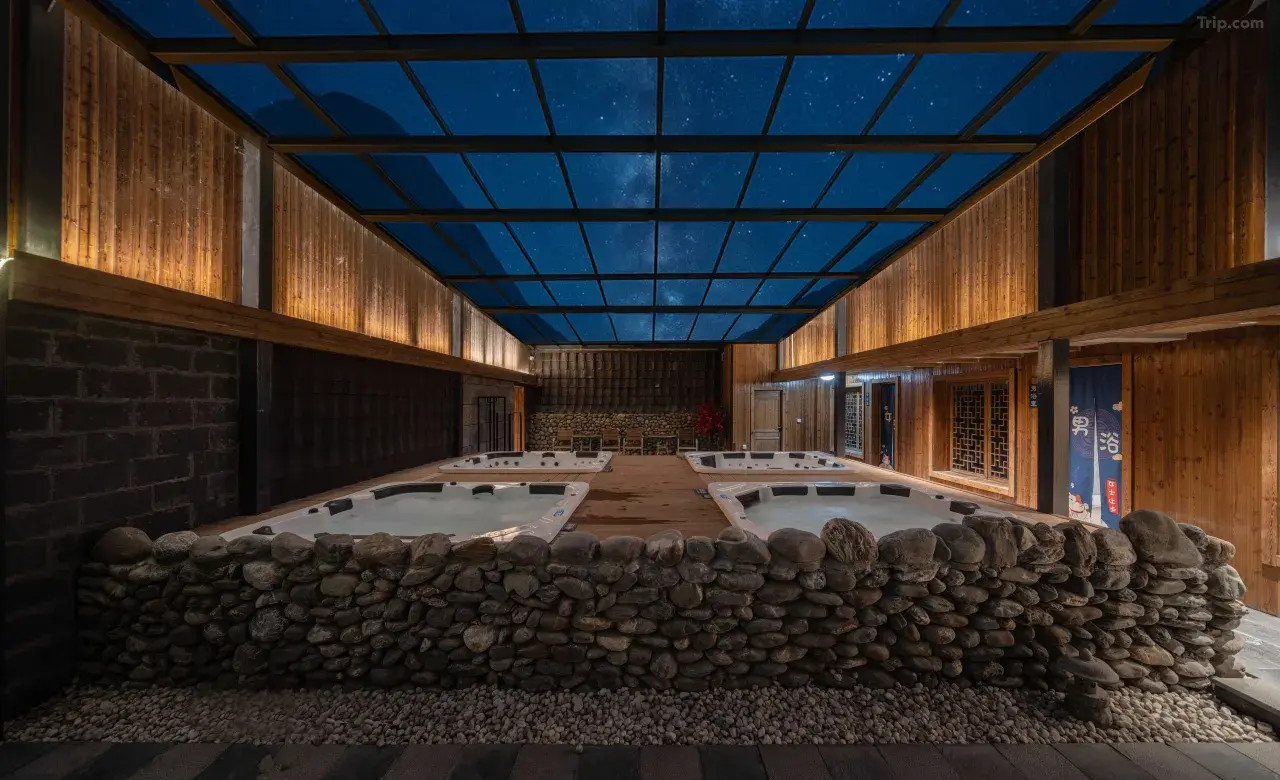
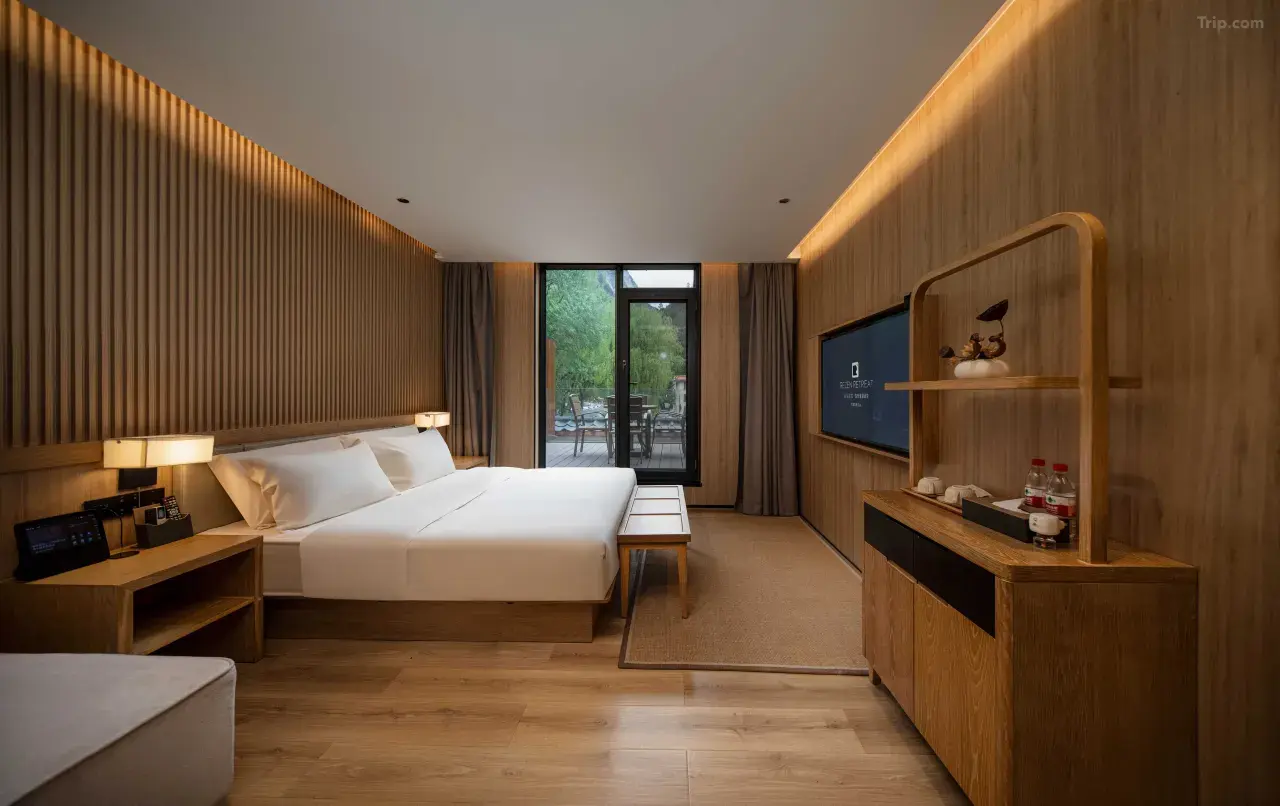
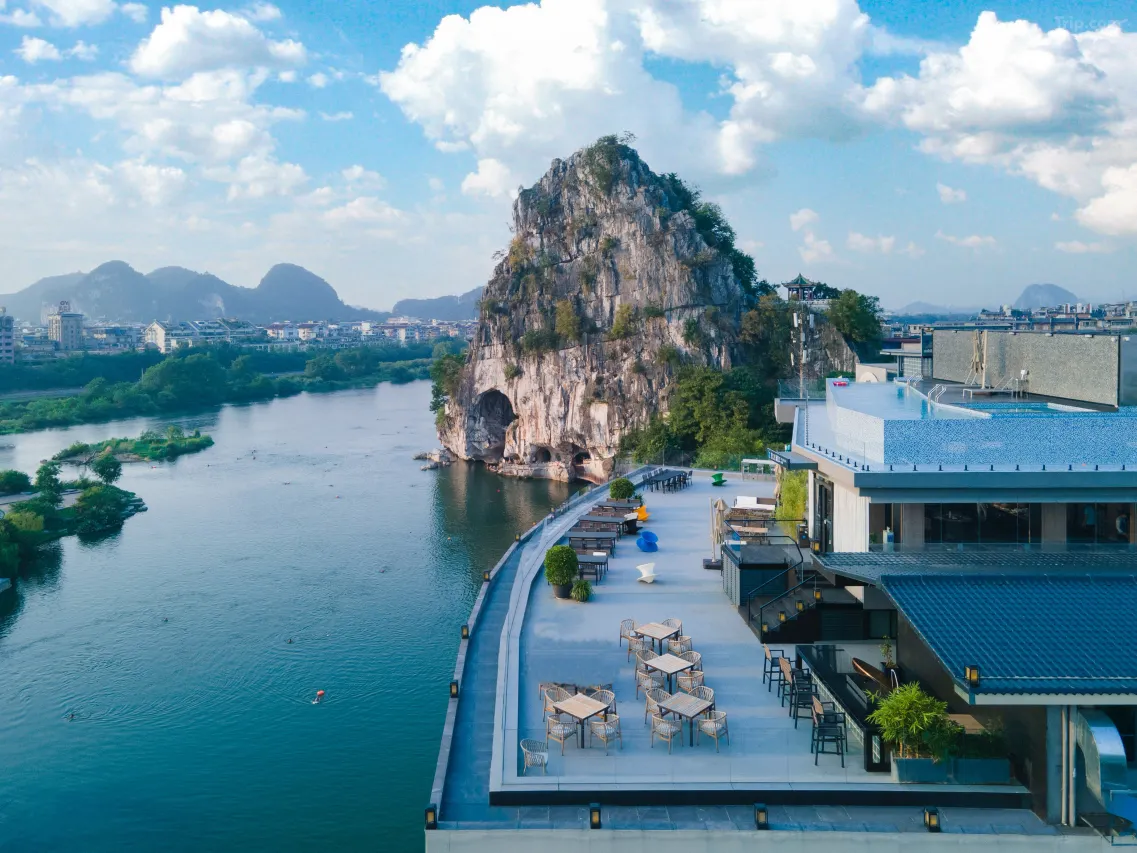
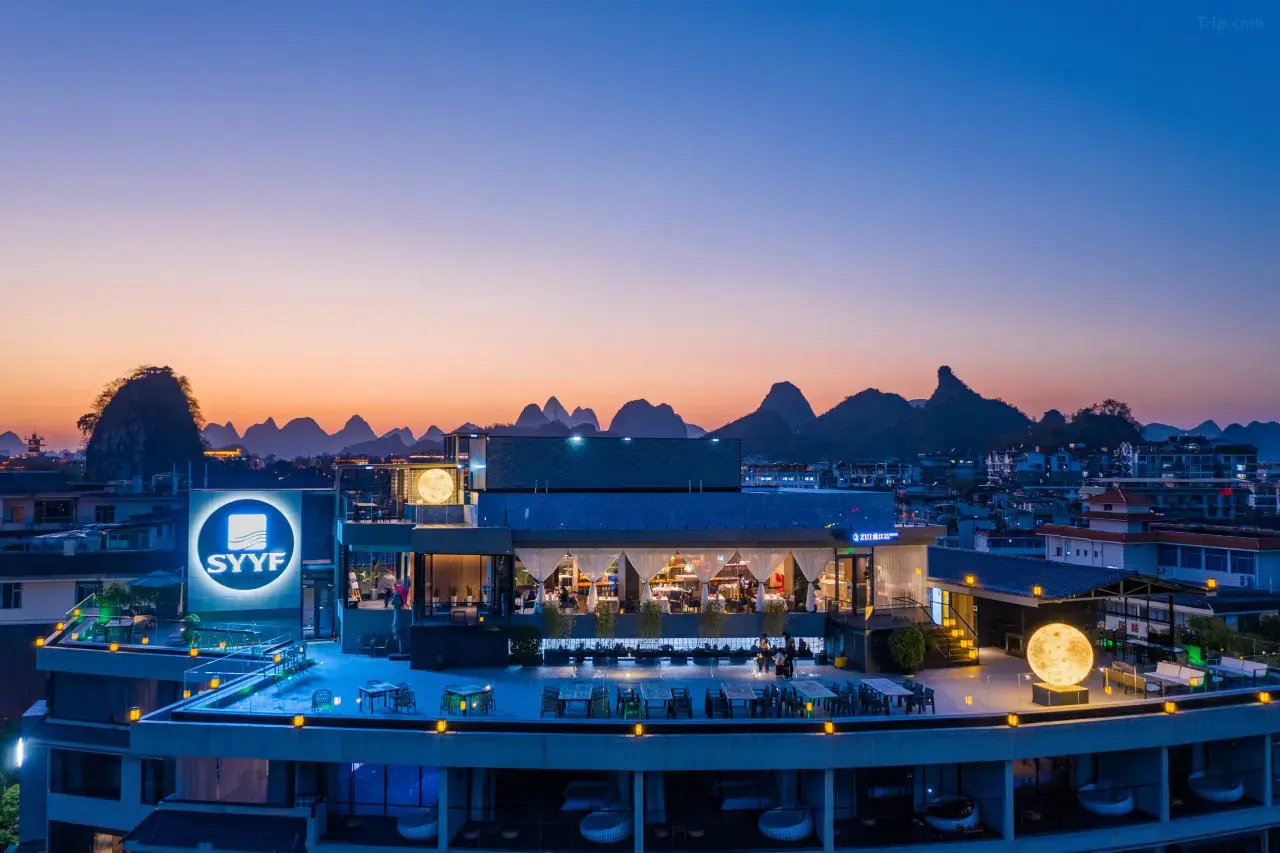
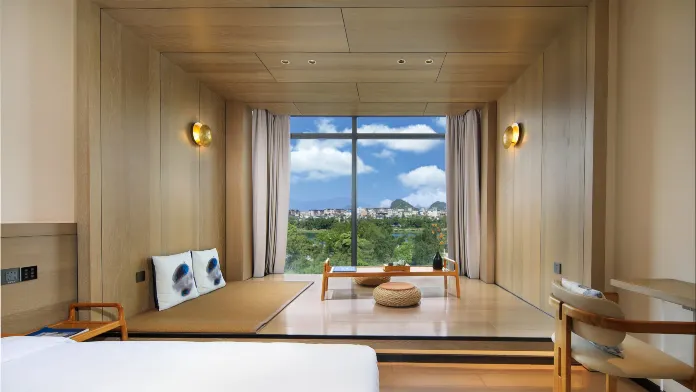
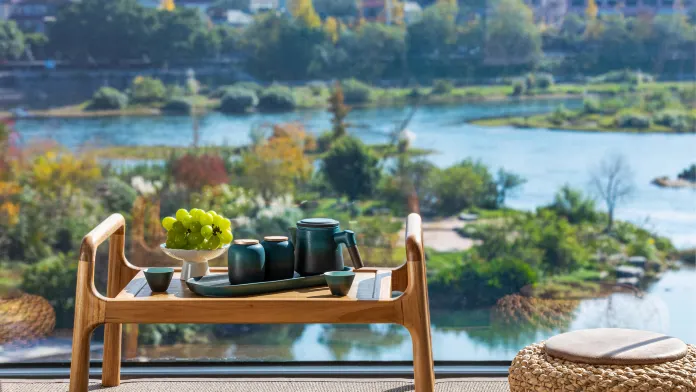
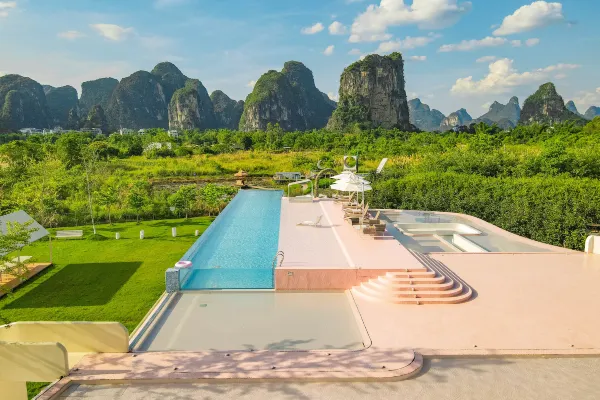
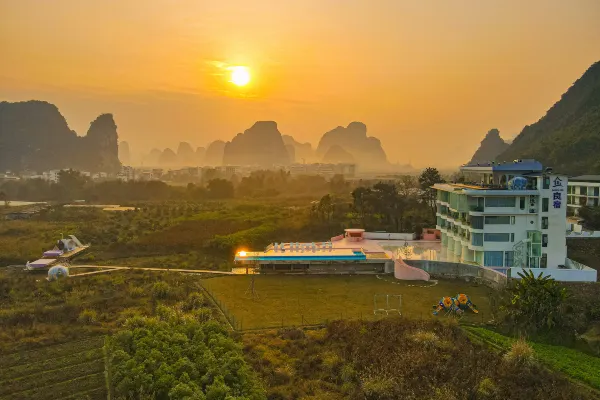
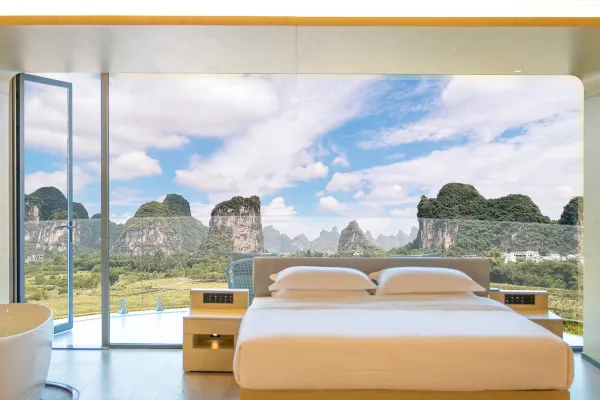
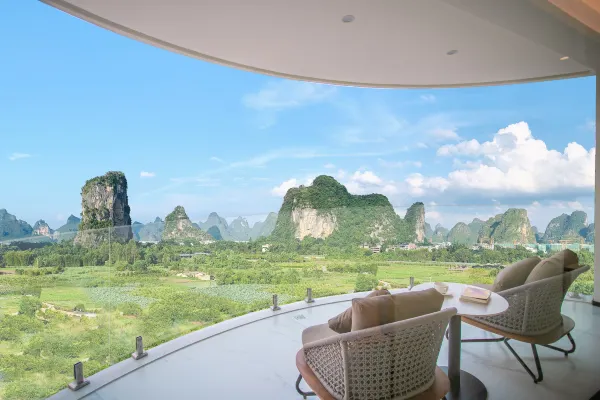
Our 5-star stays are hand-selected against strict criteria:
Prime central locations
High service standards with English-speaking staff
Refined interior design
Standout appeal
Should our preferred option be unavailable, an alternative of equal calibre will be arranged.
Culinary Highlights
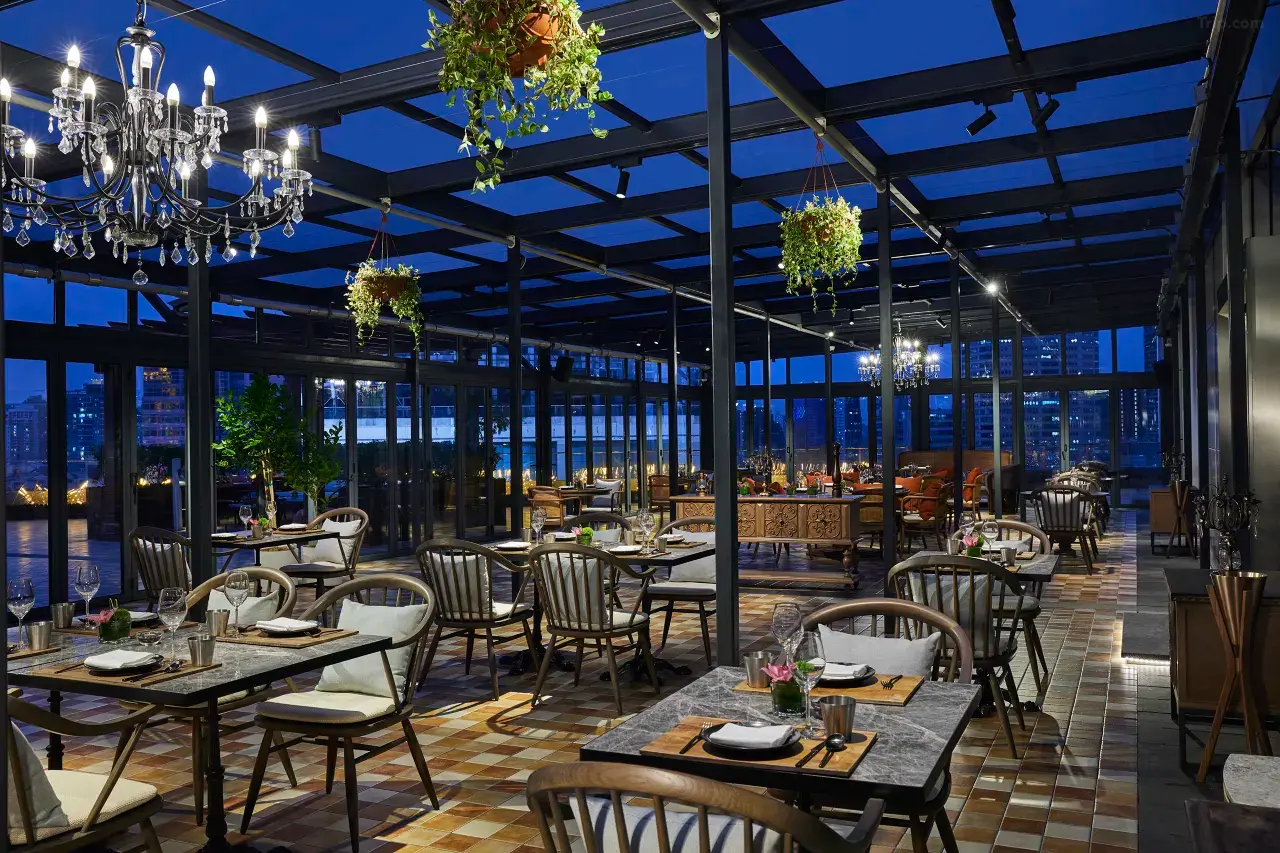
Dining is yours to personalise. Whether you’re chasing a signature local dish or a specific restaurant, we’ll steer you toward genuinely authentic options and arrange reservations where requested (specialty dining costs not included).
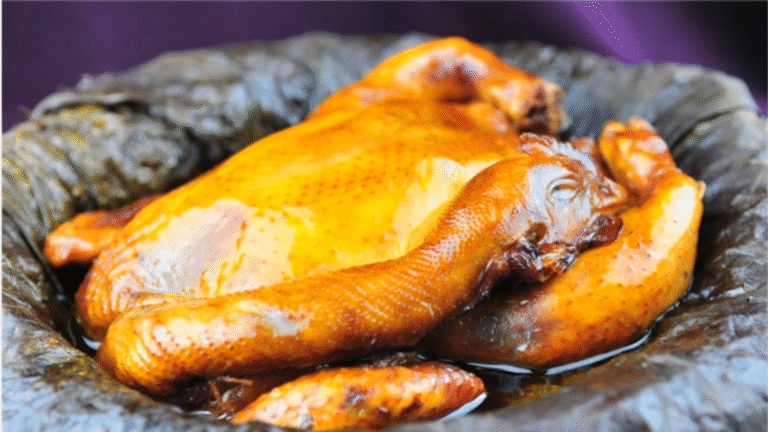
Hangzhou — Beggar’s Chicken
The tale tells of a hungry beggar who stole a chicken but had no utensils to cook it. To avoid being caught, he wrapped the bird in lotus leaves, encased it in clay, and buried it in a fire pit. When the hardened clay was cracked open, it revealed tender, fragrant meat infused with the aroma of the leaves. The improvised method, born of necessity, produced something unexpectedly refined.
Over time, the technique was perfected and was said to have won the approval of an emperor. Today, the chicken is marinated, wrapped in lotus leaf, sealed in clay or dough, and slow-roasted until the meat is delicate and aromatic.
Chengdu — Sichuan "good over rice" dishes
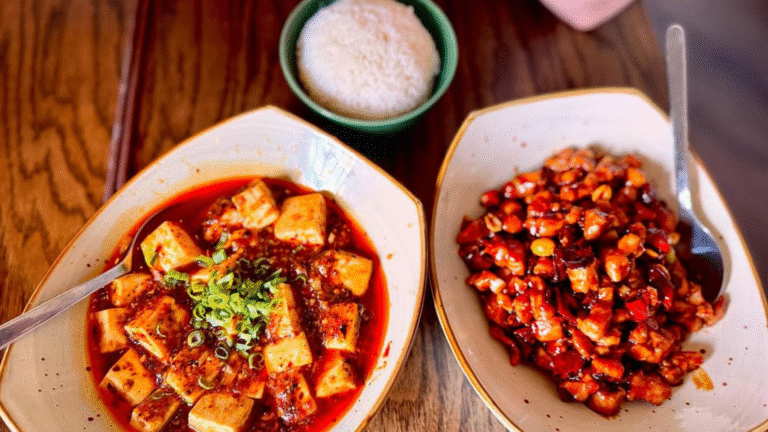
At the core of many Chinese meals is the idea of 下饭菜 (xiàfàncài) — dishes made specifically to be eaten with plain rice. The concept comes from everyday farm life, where rice was the main source of calories and flavourful ingredients had to be stretched. Strong seasoning, chilli, salt, and fermented sauces helped small amounts of meat or vegetables make large bowls of rice more satisfying and filling.
In Sichuan cuisine, Kung Pao chicken balances savoury, sweet, and chilli heat in a way that coats each grain of rice, while mapo tofu pairs soft tofu with a spicy, numbing sauce built for spooning over a bowl. These dishes are bold on their own, but they’re designed to work with rice — not overpower it.
Pricing
Dates
Tour available year round except the following dates:
- Feb 1 — Feb 28
- May 1 — May 5
- Jun 5 — Jul 25
- Oct 1 — Oct 7
Why are these dates unavailable?
Peak Travel Period Policy
At Rulai, we and our guests place a high value on peace of mind, flow, and experiential quality when travelling. China operates on a tightly structured national calendar, with limited discretionary leave outside its major public holidays. As a result, domestic travel demand concentrates into a handful of fixed periods each year, during which large portions of the population travel simultaneously.
During these peak windows, crowd density, transport congestion, and service strain reach levels that make it impossible for us to deliver the standard of experience we consider acceptable. In such conditions, even premium accommodations and private arrangements are affected. For this reason, Rulai does not operate tours during select peak periods in China’s calendar. This decision is deliberate and non-negotiable, made to protect the integrity of our itineraries and the experience of our guests.
We appreciate your understanding and apologise for any inconvenience this may cause.
Periods Not Served
February (Full Month)
The entire month of February is blocked due to the overlap of Chinese New Year (Spring Festival) and winter school holidays. This is China’s most travel-intensive period of the year, with widespread closures, reduced service availability, and extreme congestion nationwide.
Applies to 2026 and 2027.
Labour Day Holiday
1 May – 5 May
Labour Day forms one of China’s major travel “Golden Week” periods, generating a sharp surge in domestic tourism, inflated pricing, and limited availability across key destinations.
Early to Mid-June (Post-Gaokao Period)
In early June, China’s national university entrance examinations (Gaokao) conclude, triggering a large-scale release of students into graduation travel. This period coincides with the lead-in to summer school holidays and results in a sudden nationwide spike in domestic tourism, particularly among younger travellers.
National Day Golden Week
1 October – 7 October
National Day marks the single largest annual travel event in China. Hundreds of millions travel simultaneously during this week, placing extraordinary pressure on transport networks, accommodation, and attractions. Crowd levels and logistical constraints during this period are incompatible with the experience standards Rulai upholds.
Recommended dates:
- Late March to April — pleasant Spring weather
- Mid October to November — idyllic Autumn colours
The Shan Shui Collection
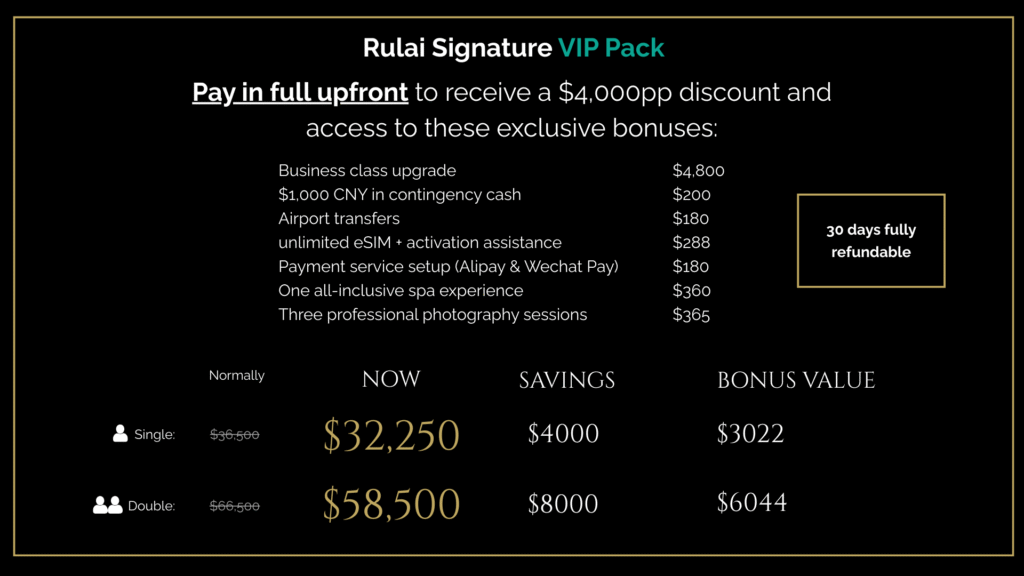
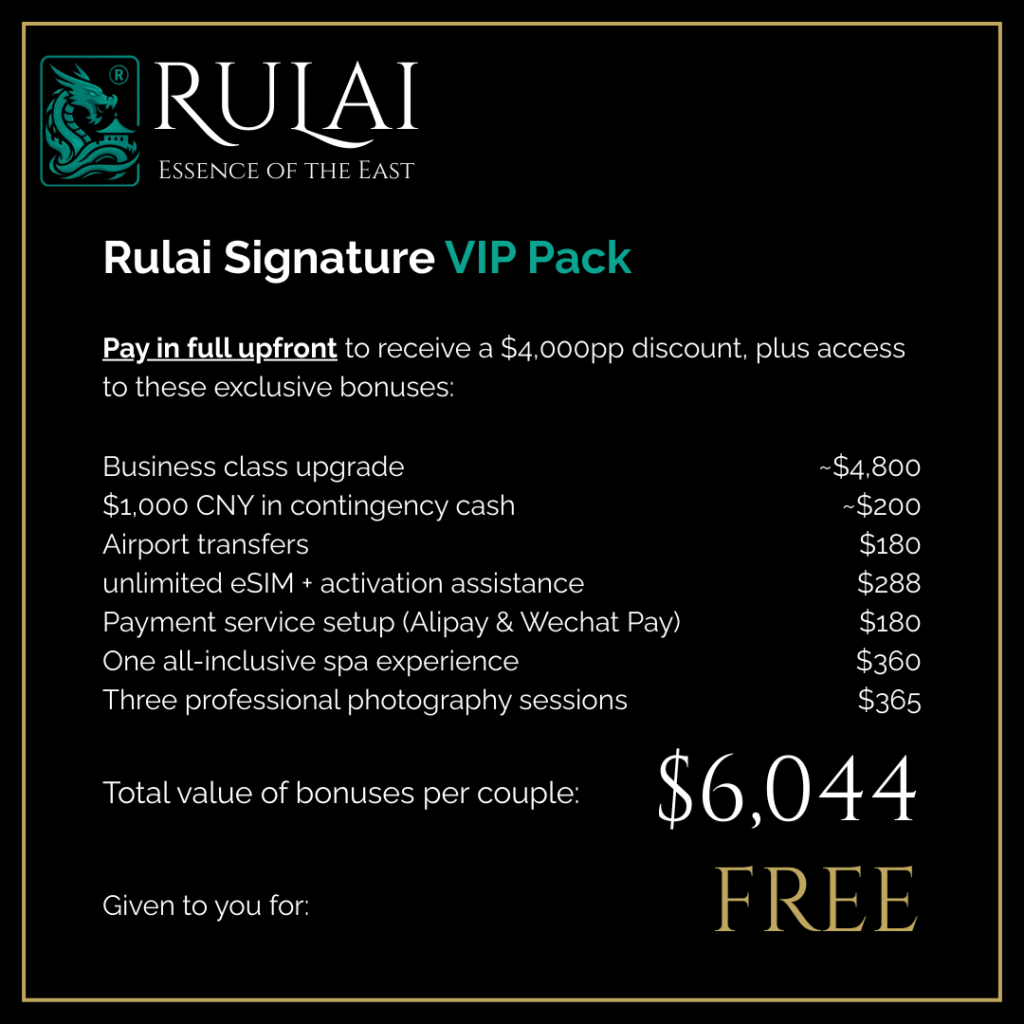
VIP Pack-
All inclusions from standard package plus:
-
Business class flights to China
-
$1000 CNY contingency cash
-
Return transfers to your airport
-
Unlimited eSIMs & activation service
-
Payment service setup (WeChat Pay & Alipay)
-
1 all-inclusive spa experience
-
3 professional photography sessions
The Shan Shui Collection
Standard Package-
Economy flights to China & internal air
-
Highest class rail transport
-
5 star hotel stays
-
Airport meet & greet with transfers
-
English speaking expert guides
-
All entrance fees & taxes
-
Most meals included, with select free-dining moments
-
No gratuities & zero tipping policy
What happens after you book
Step 1 — Payment Confirmation
Once your bank transfer is completed, simply send us a screenshot of the transaction.
We will acknowledge receipt and issue a payment confirmation, securing your place on The Vertigo Collection.
Step 2 — Immediate Onboarding (Within 24 Hours)
Within the next 24 hours, preparation begins.
You’ll receive:
Clear, step-by-step guidance on setting up WeChat Pay, Alipay, and mobile connectivity in China (Rulai Signature VIP Pack benefit)
A complimentary eSIM code (Rulai Signature VIP Pack benefit)
A short but essential guest survey covering personal details, dietary requirements, and travel preferences
This allows us to fine-tune logistics well before departure.
Step 3 — Extended Backend Briefing (30 Days Before Departure)
Thirty days prior to travel, you’ll receive a comprehensive extended briefing pack, including:
A detailed, day-by-day itinerary with critical operational context inlcuding flight details, rail times
What to pack (and what not to)
Practical information that removes uncertainty and reduces decision fatigue
At the same time, contingency CNY cash is dispatched to your nominated address
(Rulai Signature VIP Pack benefit).
Step 4 — Final Confirmations (Within 7 Days of Departure)
In the final week before departure:
Airport transfer confirmations are issued
(Rulai Signature VIP Pack benefit)Connect with your guide via text before you land
Bonus: Countdown Series emails
In the lead-up to departure, a deliberate three-part email series is released at 50, 21, and 7 days out — combining subtle reminders with curated off-itinerary experiences and essential travel intelligence.
Cancellation Policy
Rulai Cancellation & Refund Policy
Rulai operates on a limited-capacity, high-commitment model. Cancellations impact supplier contracts, logistics, and the experience of other guests. The policy below is firm, transparent, and non-negotiable.
Rulai Signature VIP Pack Benefit
Guests who pay the full tour cost upfront receive an exclusive benefit from the VIP pack:
• Fully refundable within 30 days of purchase, provided cancellation occurs more than 75 days prior to departure.
This benefit does not apply to partial payments or payment plans.
Standard Cancellation Terms (All Guests)
Refunds are calculated based on the number of days before tour departure, not the date of booking.
• More than 75 days before departure: 75% refund
• 61–75 days before departure: 50% refund
• 31–60 days before departure: 25% refund
• 30 days or fewer before departure: No refund
• No-show or failure to join tour: No refund